Kathmandu, September 22
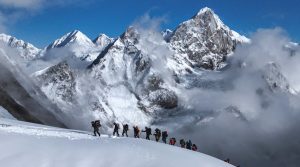
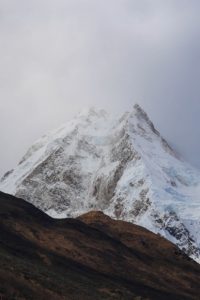
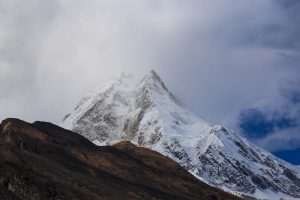
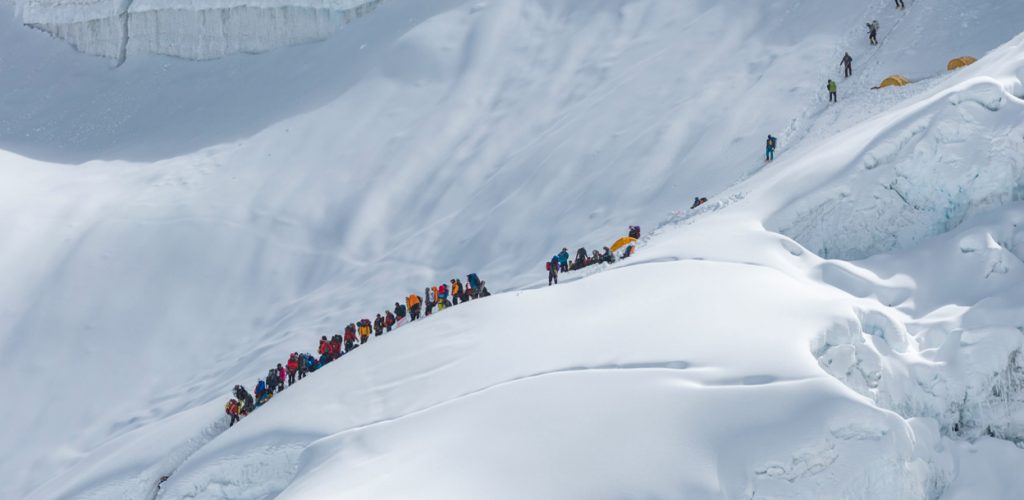
Climbers who arrived in the Himalayas with dreams of standing atop Mount Manaslu have returned without reaching the summit this autumn, after persistent snowfall, strong winds and growing avalanche risks made further attempts increasingly dangerous.
With weather conditions deteriorating, expedition teams have chosen to put safety before the summit and begin their journey home.
“Mountains will always be there, but life comes first,” said Furte Sherpa of Satori Adventures. “Once it became clear that the safest decision was to turn back because of the weather, our team decided to return home safely.”
Writing about the decision, Sherpa urged climbers still in the mountains to remain strong and trust their judgment.
“No summit is worth putting your life at risk,” he said, adding that the teams would return to Manaslu in 2027.
The Summit Force team also reported that strong winds and continuous snowfall had forced climbers to reconsider their summit plans and descend from Camps 1 and 2 to base camp.
Miles Sherpa of the team said an approaching late-monsoon weather system could deposit more snow on a mountain that was already facing a significant avalanche threat.
Climbers forced to abandon summit plans
Nangsyal Chhoden, who reached Camp 3 on Manaslu, said climbers had been forced to turn back after the weather failed to improve for nearly two weeks.
“We had to return because the weather did not cooperate. If we are alive, the mountain can wait,” Chhoden said.
By Tuesday, climbers who had reached Camp 3 had descended to base camp, while many began returning towards Samagaun on Wednesday morning.
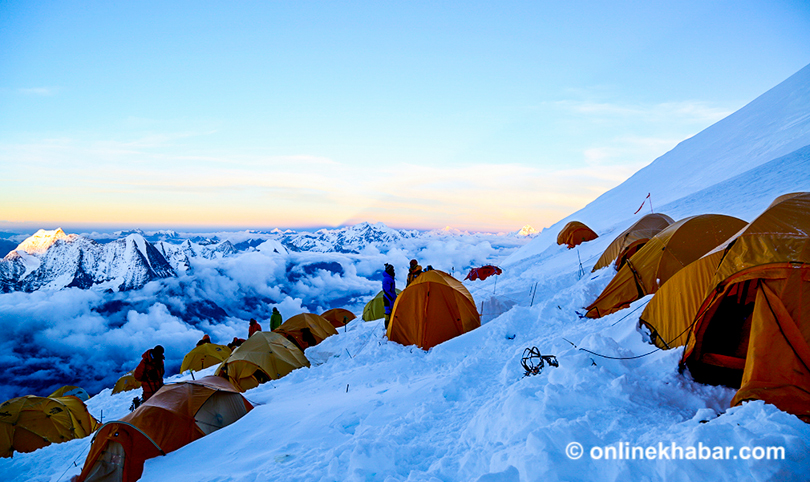
“The base camp is almost empty now,” Chhoden said. “Some climbers and Sherpa teams are packing up their tents. We are also preparing to descend to Samagaun.”
According to Chhoden, apart from some members of the rope-fixing team, most climbers were unable to attempt the summit this season.
Some expedition companies may still consider an attempt in October, he said, but most climbers are already preparing to return to Kathmandu.
American climber Charlie Engle, who had been preparing for the Manaslu expedition, said many people were descending from the mountain while rescue operations were still continuing for some who were unable to make their way down independently.
“Looking at the weather, it seems we may have to wait another week or 10 days,” Engle said. “For now, we are waiting, watching the weather and trying to understand what is happening before making a decision.”
‘This year’s snowfall is unlike anything I have seen’
Prabal Lama, who was at base camp, said another summit attempt later in the same season was unlikely.
Climbers arriving from different countries face visa limitations, while expedition equipment, guides and Sherpa staff would also have to be mobilised again, making it difficult for teams to return after leaving the region.
“I have been coming to Manaslu since 2012, but I have never seen rainfall and snowfall as heavy as this year,” Lama said.
Manaslu Base Camp, where rainfall is generally limited, has experienced continuous rain for nearly two weeks, according to Bir Bahadur Lama of Samagaun.
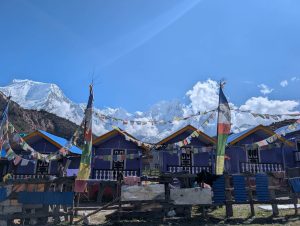
He said hotels in Samagaun had become crowded with climbers returning from base camp.
“Some are preparing to walk back through the Manaslu Circuit, while most are returning by helicopter,” he said.
Five feet of new snow raises avalanche concerns
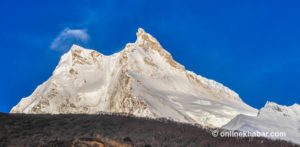
The 8,163-metre Manaslu is considered a technically demanding peak with significant avalanche exposure.
Its climbing routes include glaciated terrain, an active icefall between Camps 1 and 2, and steep slopes and seracs in the higher sections.
Following several days of unexpectedly heavy snowfall, around five feet of new snow has accumulated in parts of the mountain, significantly changing climbing conditions.
The route between Camps 3 and 4 is considered particularly exposed to avalanche danger.
A recent avalanche has also affected members of the rope-fixing team.
With another major weather system expected to enter Nepal around October 8 and 9, expedition operators have made the difficult decision to end their Manaslu summit attempts for this season.
The decision comes despite unusually high interest in Manaslu this year. Around 500 climbers had obtained permits to attempt the world’s eighth-highest mountain, while around 500 Nepali high-altitude guides and support staff had travelled to the region.
A total of 493 climbers received permits this year, compared with 410 last year.
Last year, climbers from 67 countries, organised into 41 expedition groups, generated Rs 224.814 million in government revenue through Manaslu climbing permits.
The mountain can wait
The decision to turn back has been framed by expedition teams not as a failure to summit, but as a recognition of the risks posed by rapidly changing conditions in the high Himalayas.
Snowfall, rainfall, wind speed and the stability of the mountain can change quickly, making judgment and timing critical during an expedition.
Previous seasons have also shown the consequences of deteriorating conditions. In autumn 2012, 11 climbers were killed on Manaslu after an avalanche struck a camp.
This year, however, expedition teams have chosen to withdraw before attempting to push higher into increasingly unstable terrain.
Himalaya Summit Club similarly told its climbers that returning safely should be considered an achievement in itself.
“Not every success is reaching the summit,” the club said. “Sometimes, returning home safely is the greatest achievement.”
The message was accompanied by a simple farewell to the mountain — and a promise to return.
“Thank you, Manaslu, for teaching us another lesson in humility, patience and respect for nature,” the club said. “See you again in 2027.”