Kathmandu, September 17
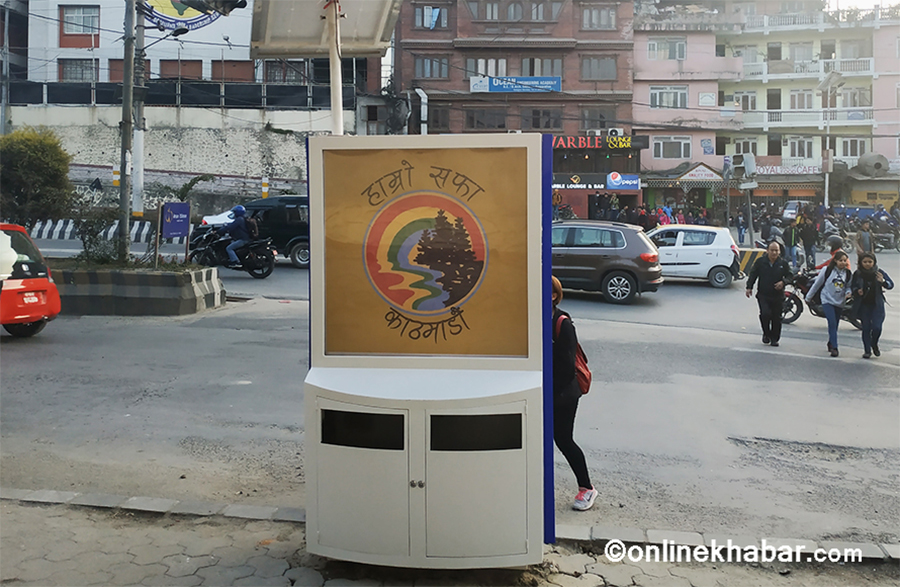
The government is drafting legislation that would require dustbins to be installed in public places.
Under a bill registered in the House of Representatives that revises and consolidates existing waste management laws, any person, group, organisation or body generating waste would be responsible for managing that waste itself. Local governments would be required to arrange for its collection within their jurisdiction.
Under Section 12(2), the specific procedures for waste collection would be determined by the relevant local government.
Under Section 13, local governments would be required to publish a notice in the local gazette and install closed-lid dustbins as needed at public places under their jurisdiction, including public roads, gardens, parks, exhibition venues, public transport, and vehicle parking areas, for waste collection. These dustbins would need to allow separate collection of biodegradable, non-biodegradable and hazardous waste.
Under Section 13(4), any public place that does not already have such dustbins in place when the law comes into force would need to install them within three months of that date. The bill also specifies that anyone passing through or visiting a public place must dispose of any waste in the nearest dustbin.
The bill was registered in the House of Representatives on Thursday by Minister for Infrastructure Development Sunil Lamsal. He said the bill aims to clearly define the roles and responsibilities of the federal, provincial and local governments in waste generation, collection, disposal and overall management.
Minister Lamsal noted that the bill seeks to minimise adverse effects on human health and the environment, and to enable waste processing and reuse in line with circular economy principles.
Article 30 of Nepal’s Constitution guarantees every citizen the right to live in a clean and healthy environment, along with the right to compensation from polluters for environmental damage. Article 35 guarantees citizens access to clean drinking water and sanitation. The Constitution places drinking water and sanitation under the concurrent list of federal and provincial powers, basic health and sanitation under local government authority, and environmental matters under the concurrent list of all three tiers.
The government believes that once passed, the bill will enable co-investment, public-private partnerships and development assistance in waste management among the different levels of government.