

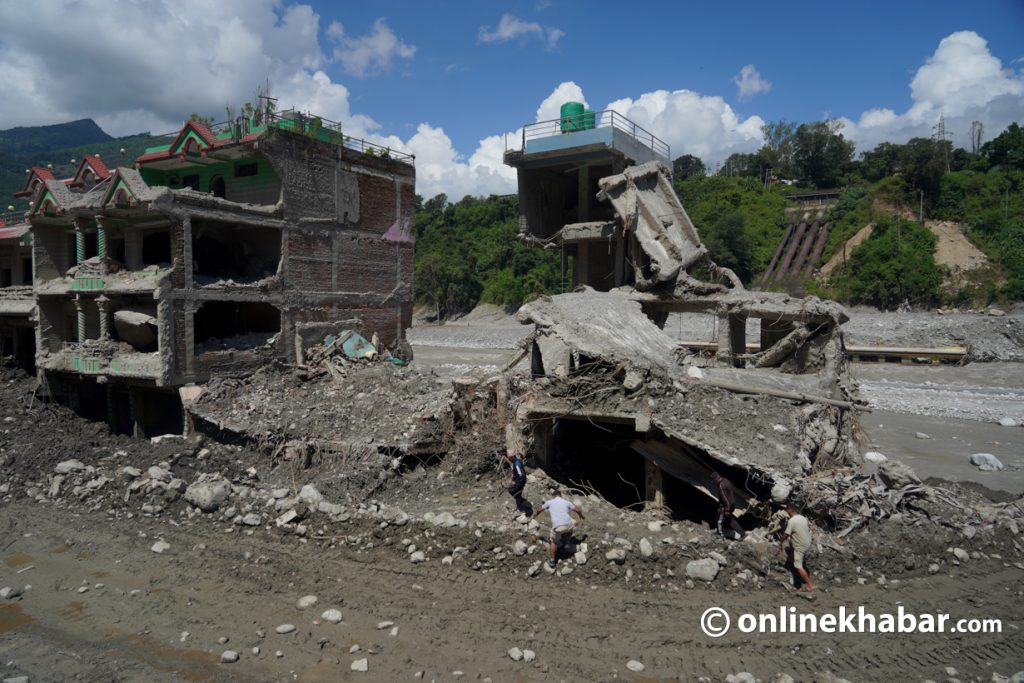
Nepal did not create the global climate crisis. Yet Nepalis are increasingly paying an extraordinary price for its consequences—in lives lost, homes destroyed, livelihoods shattered and communities placed at growing risk.
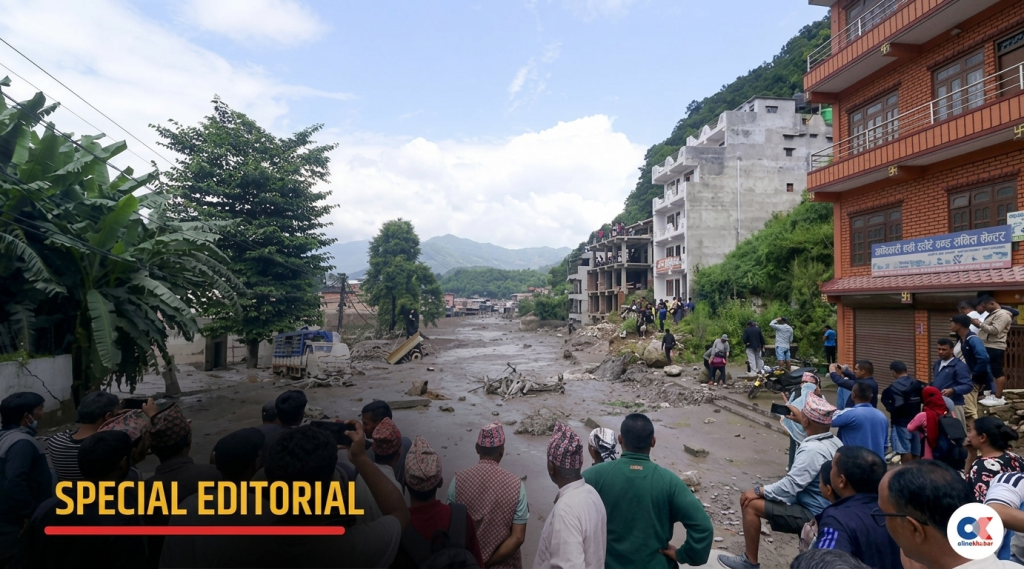
The recent catastrophic flash flood in Rasuwa is a stark reminder that climate change is no longer a distant threat for Nepal. It is a present-day crisis.
And Nepal now has an opportunity to make the world listen.
As world leaders gather in New York for the 81st Session of the United Nations General Assembly, Prime Minister Balendra Shah, popularly known as Balen, is expected to address the Assembly on September 24. The catastrophe gives Nepal an urgent reason to place climate justice, Himalayan vulnerability and global responsibility at the centre of that international conversation.
For Nepal, this is no longer an abstract debate about future climate scenarios. It is about people losing their lives today.
A disaster that began in the Himalayas
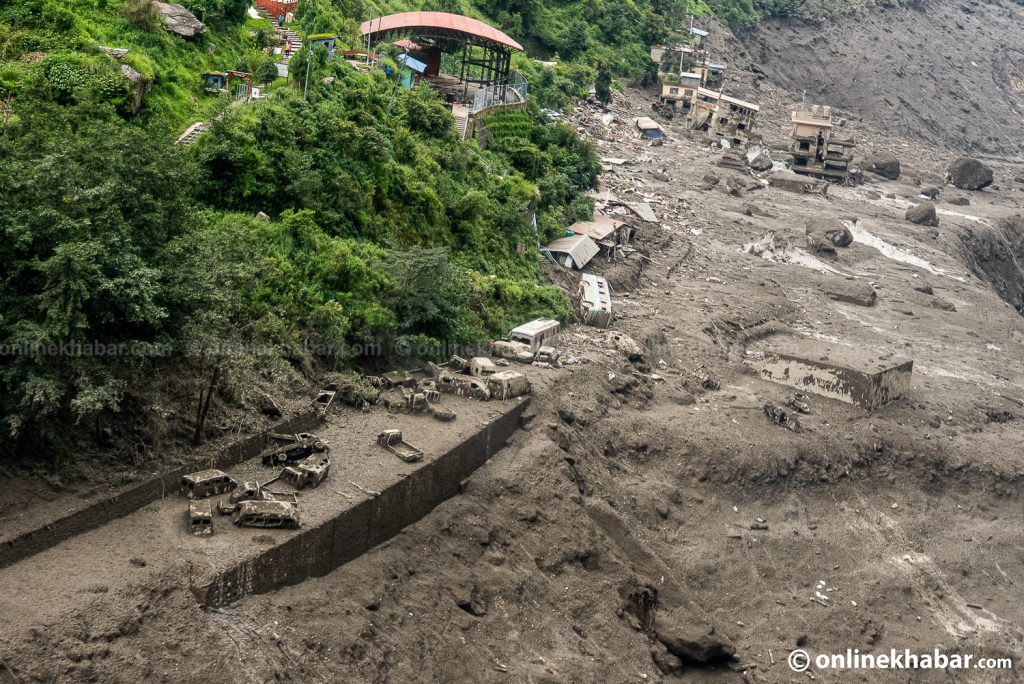
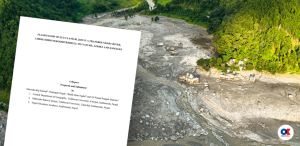
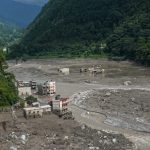
The catastrophe began on the morning of August 26 in the Himalayan border region. Reports indicate that a massive volume of glacier ice, rock and sediment collapsed at high altitude into the Lhende River system, temporarily obstructing the river. When the blockage gave way, a devastating surge rushed downstream through the Lhende Khola, Bhote Koshi and Trishuli River systems.
Within hours, a disturbance in one of the world’s most remote mountain environments had become a catastrophe for communities far downstream.
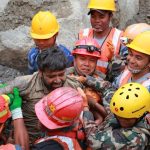
As of September 13, Nepal Government authorities reported at least 1,388 people confirmed dead, 13,676 rescued and 5,130 missing. Around 587 foreign tourists were also reported missing.
The economic damage is staggering. Nepal’s Rapid Damage and Needs Assessment estimates that Rs. 723.32 billion (USD 4.74 billion) will be required for reconstruction and recovery.
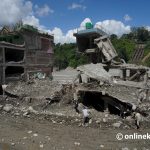
Thirteen hydropower projects, with a combined capacity of 759 megawatts, and five solar plants were affected. Roads and bridges were washed away, thousands of homes were damaged, and businesses, agricultural land, schools, health facilities and cultural heritage sites were destroyed.
The United Nations Development Programme estimates that the floods generated approximately 2.2 million tonnes of debris and affected more than 84,000 people across 17 municipalities.
But the human cost cannot be measured in dollars.
Behind these figures are families waiting for news of loved ones, communities buried beneath mud and debris, survivors who escaped with little more than the clothes they were wearing, and thousands confronting an uncertain future.
The Himalayas are sending a global warning
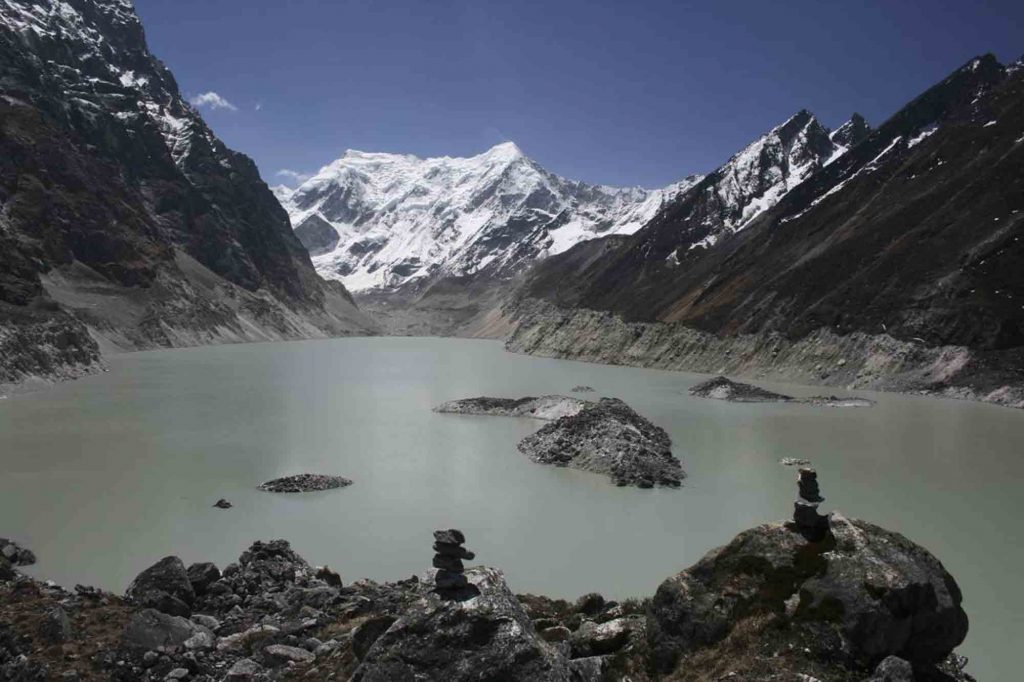
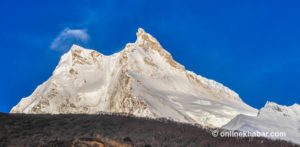
Nepal alone is home to more than 3,200 glaciers. Across the broader Hindu Kush Himalaya and Tibetan Plateau region are tens of thousands more, making it one of the world’s greatest concentrations of ice outside the polar regions.
These mountains are often called the “water towers of Asia.” The great river systems originating in the Hindu Kush Himalaya sustain more than 2 billion people across Asia.
What happens in the Himalayas, therefore, does not remain in the Himalayas.
Scientific research has documented accelerating glacier retreat and ice loss as temperatures rise. Retreating glaciers can contribute to expanding glacial lakes, destabilised mountain slopes, altered river flows and greater exposure to cascading hazards.
The Himalayas are sending a warning. The world cannot afford to ignore it.
Nepal’s case for climate justice
Nepal, like many developing and least-industrialised nations, has contributed comparatively little to greenhouse-gas emissions. Yet its people are increasingly exposed to retreating glaciers, unstable mountains, extreme precipitation, floods, landslides and unpredictable water systems.
That imbalance is what lies at the heart of climate justice.
Countries that industrialised earlier and accumulated wealth through carbon-intensive development carry greater historical responsibility for addressing the consequences. Today’s major emitters—developed and developing alike—also share responsibility for changing the world’s future trajectory.
But climate justice cannot remain an argument about blame while communities are suffering.
It must mean action.
Countries with greater financial resources, technological capabilities and institutional capacity should help climate-vulnerable nations such as Nepal strengthen adaptation, disaster preparedness and resilience.
That requires meaningful climate financing—not symbolic promises.
Nepal needs investment in glacier research, satellite monitoring, early-warning systems, climate-resilient infrastructure, disaster communications, scientific cooperation and community preparedness.
And when vulnerable countries suffer catastrophic losses that reasonable adaptation could not prevent, the international community must take seriously the principle of loss and damage.
Those who contributed least to the climate crisis should not be left alone to bear its greatest human and economic costs.
From relief to resilience
Nepal has survived earthquakes, floods, landslides, avalanches and countless other hardships. Its people have repeatedly demonstrated extraordinary resilience.
But resilience cannot become an excuse for the world to expect vulnerable communities simply to endure catastrophe after catastrophe. This disaster must become a turning point.
Nepal needs humanitarian assistance today. Tomorrow, it will need reconstruction. Beyond reconstruction, it needs sustained investment in climate resilience and sustainable development.
That means continuous glacier and glacial-lake monitoring, cross-border hydrological cooperation, real-time early-warning networks, community evacuation systems, resilient roads and bridges, safer hydropower development, satellite and drone surveillance, expanded Himalayan research and sustainable land-use planning.
Rebuilding should not simply recreate what existed before. Nepal must rebuild safer and stronger.
At the same time, climate action cannot mean abandoning development. Industrialisation has lifted millions from poverty and produced extraordinary advances in medicine, science, technology and living standards.
The answer is better development: cleaner energy, climate-resilient infrastructure, sustainable cities, protected forests and watersheds, scientific innovation and economic systems that recognise environmental protection and human prosperity as inseparable.
PM Balen’s opportunity

Prime Minister Shah has already connected the recent tragedy with Nepal’s long-standing call for climate justice.
In a Facebook statement on September 5, he wrote:
“This disaster has been deeply painful for us. We are paying an enormous price despite having contributed very little to the problem. For a long time, we have been telling the world that climate change is having a profound impact on the Himalayan region and that our mountains and glaciers are melting. Its effects are not limited to the Himalayas; they extend all the way to coastal regions.
What we had long feared has now become a devastating reality in the form of the catastrophic flood in the Bhote Koshi River in Rasuwa. Nepal has endured a terrible tragedy. We must seek answers and accountability from the international community.
We believe that we will recover from this disaster soon.”
Now he has an international platform to turn those words into a stronger global demand.
Nepal cannot afford to remain on the sidelines of global climate negotiations. It must have a meaningful seat at the table when decisions affecting climate-vulnerable nations are made.
The Prime Minister has an opportunity to speak not only for Nepal, but for vulnerable mountain communities and developing nations facing the consequences of a crisis they did little to create.
But the message must be clear.
Nepal should not be asking for sympathy. Nepal should be asking for equitable climate justice.
The people who contributed least to global warming should not be asked to pay its highest price.
If Nepal fails to deliver that message clearly and forcefully to the world’s most powerful nations, its growing climate vulnerability risks being overlooked—and its call for justice left unheard.
The Himalayas may be geographically distant from the world’s great industrial centres. But their warning belongs to everyone.
And amid this enormous tragedy, Nepal offers another enduring message to the world:
When disaster strikes, Nepalis—at home and throughout the global diaspora—stand together.
Now the world must stand with them.