Kathmandu, September 13
Opposition parties have registered a public importance proposal in the House of Representatives on safe motherhood and reproductive health.
The proposal has been registered with Nepali Congress lawmaker Sita Thapaliya as the proposer. CPN-UML lawmaker Bhumika Limbu Subba, Nepali Communist Party lawmaker Balawati Sharma, Shram Sanskriti Party lawmaker Radhika Ramthel and Rastriya Prajatantra Party lawmaker Saraswati Lama are supporting the proposal.
According to the proposal, women make up 51.2 percent of Nepal’s population. Around 8.7 million women aged 15 to 59 and nearly five million women aged 20 to 40 are in the reproductive age group.
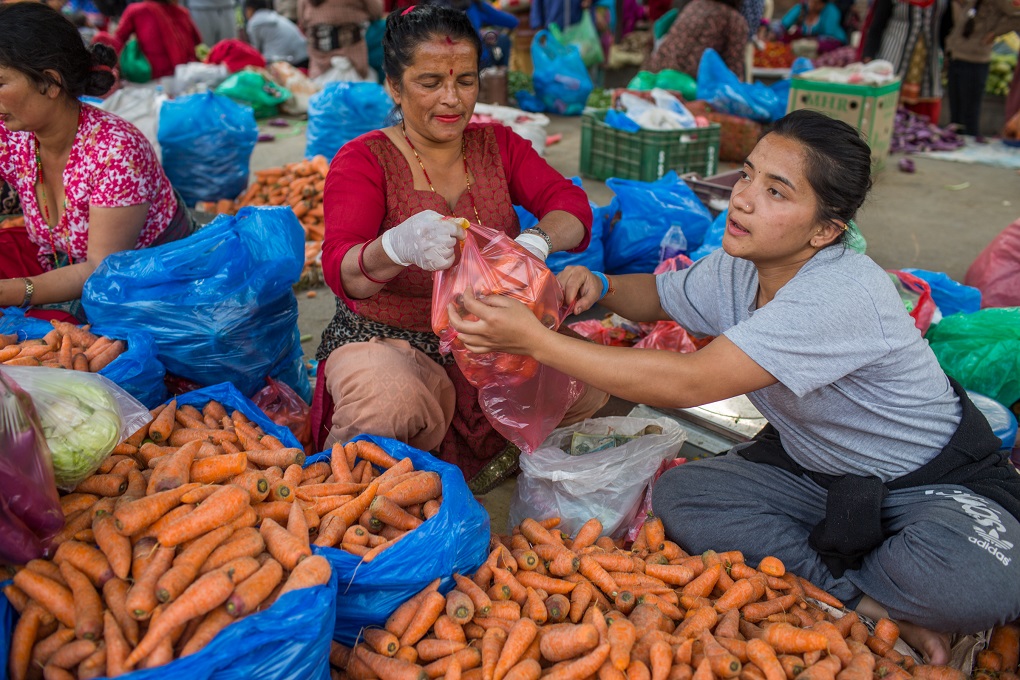
The proposal states that women currently account for 30 percent of Nepal’s civil service, 27 percent of the teaching sector, 55 percent of health services, 25 to 30 percent of the banking sector and 18 percent of the garment industry.
Despite their growing participation in the workforce, the proposal says many women are delaying or giving up motherhood because of the social perception that “having and raising children is a woman’s responsibility.”
Article 38(2) of the Constitution guarantees every woman the fundamental right to safe motherhood and reproductive health.
To implement this right, the government enacted the Public Health Service Act 2018 and the Safe Motherhood and Reproductive Health Rights Act 2018. However, the proposal argues that adequate policies have not been formulated to fully implement these provisions.
‘How is six months of breastfeeding possible with 98 days of leave?’
The proposal highlights what it calls a contradiction between government recommendations and maternity leave provisions.
“Nearly five million women aged 20 to 40 are of reproductive age. But due to the social belief that having and raising children is a woman’s responsibility, and the state’s inadequate provision of only 98 days of maternity leave, many women are being forced to delay motherhood,” it states.
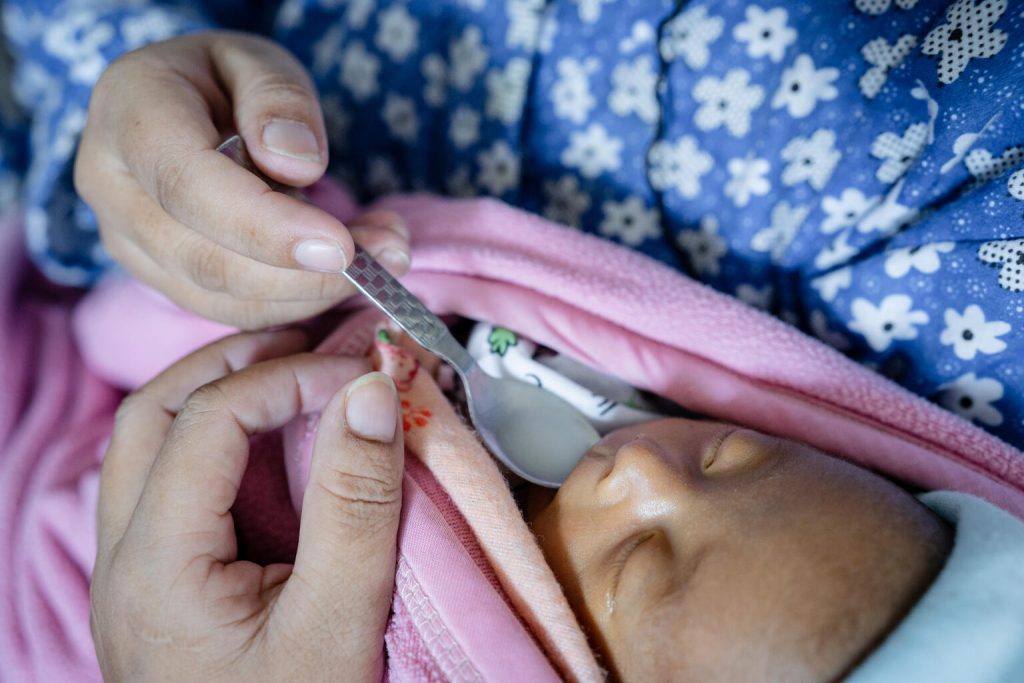
It further questions how mothers can exclusively breastfeed their children for six months when they are entitled to only 98 days of maternity leave.
“The government says babies should be exclusively breastfed for six months and promotes the first 1,000 days as a crucial period, but gives mothers only 98 days of leave. How is six months of breastfeeding possible with 98 days?” the proposal asks.
The proposal also raises concern over Nepal’s declining birth rate. While the Sustainable Development Goals (SDGs) target a fertility rate of 2.1, Nepal’s rate has fallen to 1.68.
It argues that although the state once promoted the slogan “two children, God’s gift,” it has failed to introduce adequate policies to address the declining birth rate.
The proposal also states that women working in the private sector, banks, garment industries and informal sectors remain deprived of adequate safe motherhood protections.
“After 98 days, women are forced to leave their infants behind and return to work,” the proposal states. “Women involved in politics do not even have maternity leave. If they fail to attend, they risk being listed as absent.”