Kathmandu, September 2
A proposal has been made to impose a two-year cooling-off period on officials of constitutional bodies, preventing them from taking up positions in private, non-governmental or commercial organisations directly associated with the body they previously served.
CPN-UML lawmaker Yashoda Kumari Baral has proposed the provision through an amendment to the Bill on Remuneration, Conditions of Service and Facilities of Officials of Constitutional Bodies (First Amendment), 2026.
The proposed provision states that an official of a constitutional body would not be allowed to work in any capacity at a private, non-governmental or commercial organisation having a direct interest in the same constitutional body for two years from the date of retirement or removal from office.
The proposal has been made as a new sub-section under Section 18 of the existing Act, which deals with pension and gratuity provisions for officials of constitutional bodies.
What does the proposed cooling-off period say?
The amendment proposed by Baral states an official of a constitutional body shall not be allowed to work in any capacity at any private, non-governmental or commercial organisation having a direct interest in the same body for two years from the date of retirement or removal from office.
A cooling-off period refers to a mandatory period during which a person leaving a public position is restricted from taking up certain appointments or roles.
The Bill currently has nine amendment proposals submitted by lawmakers in nine groups.
Bill seeks to address double benefits
Prime Minister Balen Shah registered the Bill in the House of Representatives on July 30, proposing changes to the existing law governing the remuneration, conditions of service and facilities of officials of constitutional bodies.
One of the stated objectives of the Bill is to prevent retired constitutional officials from receiving double benefits from the state.
The Bill notes that retired civil servants are often appointed to constitutional bodies. In such cases, officials may receive their retirement pension while also receiving facilities provided under prevailing law after being appointed to a constitutional position.
The government has argued that this can result in the same individual receiving two benefits from the state treasury.
The Bill also states that officials holding high public offices are expected to demonstrate a high level of ethical and moral conduct.
Prime Minister Shah has argued that such qualities should be visible in practice among people holding positions involving significant public accountability.
“If an official is seen receiving double benefits, it ultimately weakens public faith, trust and confidence in the institution associated with that person,” the Bill states.
It further argues that it is not appropriate for an official receiving salary, allowances and other facilities from the state treasury to also receive a pension from the same treasury.
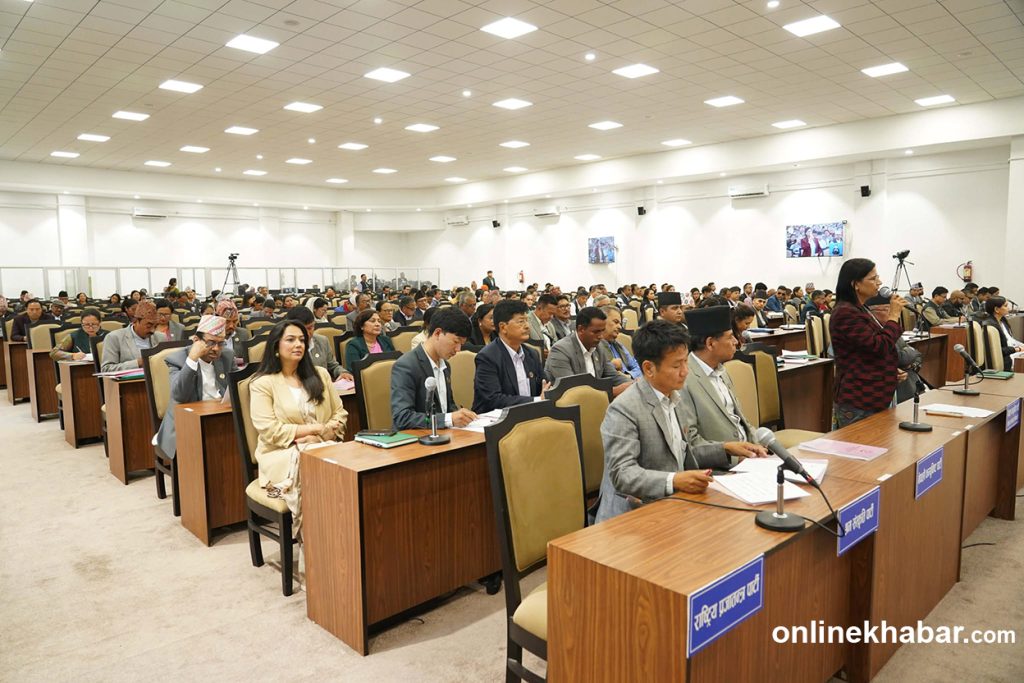
The Bill is currently under consideration in a parliamentary committee.