Kathmandu, September 2
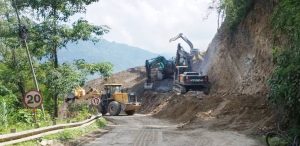
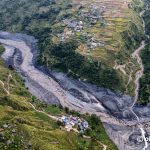
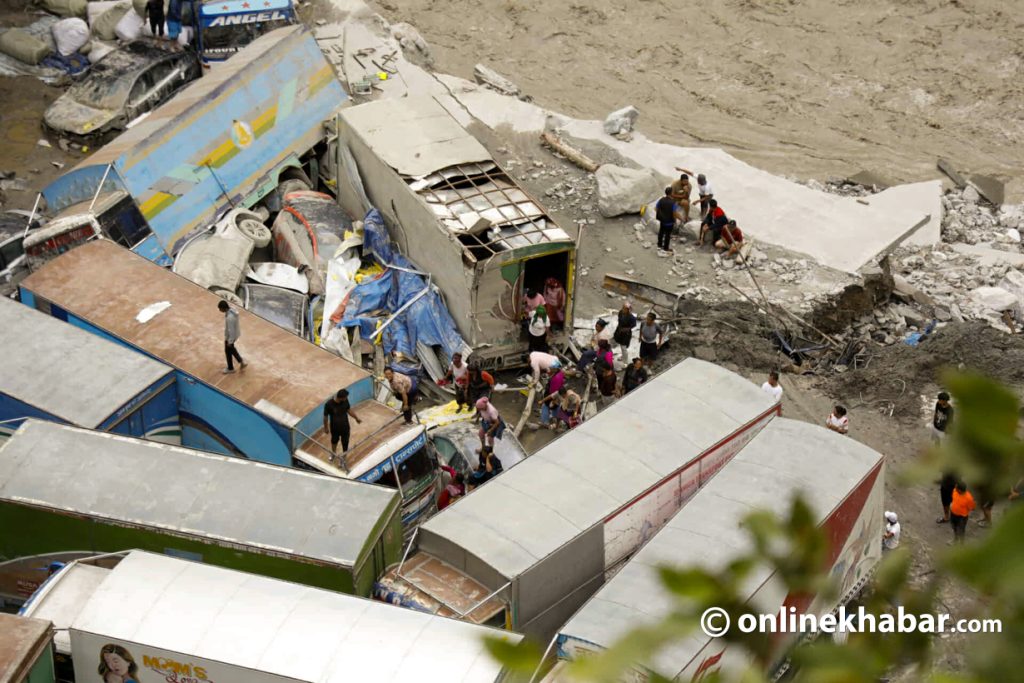
Nepal Oil Corporation has introduced new rules for LPG gas distribution after the Trishuli River eroded a section of the Prithvi Highway at Krishnabhir, disrupting supplies to Kathmandu Valley and surrounding districts.
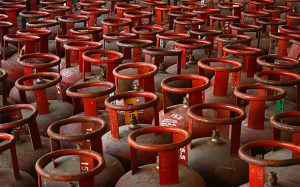
Under the new rules, LPG distribution for commercial purposes — including hotels, restaurants and canteens — has been suspended for the time being. Gas will be supplied only to households and other essential users.
The decision was taken at a joint meeting of Nepal Oil Corporation officials and representatives of the Gas Sellers’ Federation on Wednesday, chaired by Deepak Baral, deputy executive director of the corporation’s market management division.
The meeting concluded that the road collapse at Krishnabhir on August 30 had severely disrupted the LPG supply chain and agreed on alternative arrangements to prevent a shortage in Kathmandu Valley.
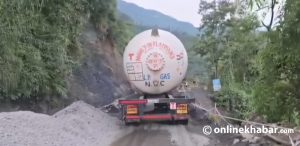
As LPG bullets cannot currently reach Kathmandu through the blocked highway, LPG companies supplying the Valley will arrange to have cylinders filled at plants in the Tarai and transport them to Kathmandu through alternative routes.
The gas brought through these alternative arrangements must be distributed proportionately and efficiently, according to the new rules.
Corporation Executive Director Nagendra Sah said efforts were underway to arrange LPG supplies from the Tarai.
“Once gas arrives from the Tarai, it will be distributed by prioritising consumers who need it most,” he said.
Commercial users barred, essential groups prioritised
Under the new rules, gas sellers have been instructed to completely stop distributing LPG for commercial purposes for the time being.
The available gas will instead be prioritised for essential consumers, including students, people in need, patients, senior citizens, various shelters and care homes, people with disabilities, and centres established for flood victims.
Businesses must arrange their own LPG
Hotels and other businesses that use LPG commercially will now have to arrange their own supplies.
Large consumers and businesses must coordinate with the dealers or LPG companies supplying their preferred brand, transport their empty cylinders to plants in the Tarai, have them refilled and bring them back to Kathmandu.
Gas sellers to join market monitoring
The corporation has also decided to include two representatives from LPG sellers in its Quick Response Team (QRT) to prevent artificial shortages and black marketing.
Their participation is expected to strengthen market monitoring and help address consumer complaints more effectively.
The meeting was attended by Binita Mani Upadhyay, director of the corporation’s LPG and aviation department; Deputy Director Indu Sharma Adhikari; Bishnu Prasad Dulal, acting vice-president of the Gas Sellers’ Federation Nepal; Hem Bahadur Thapa, president of the Gas Sellers’ Association Kathmandu, among other stakeholders.