Kathmandu, September 2
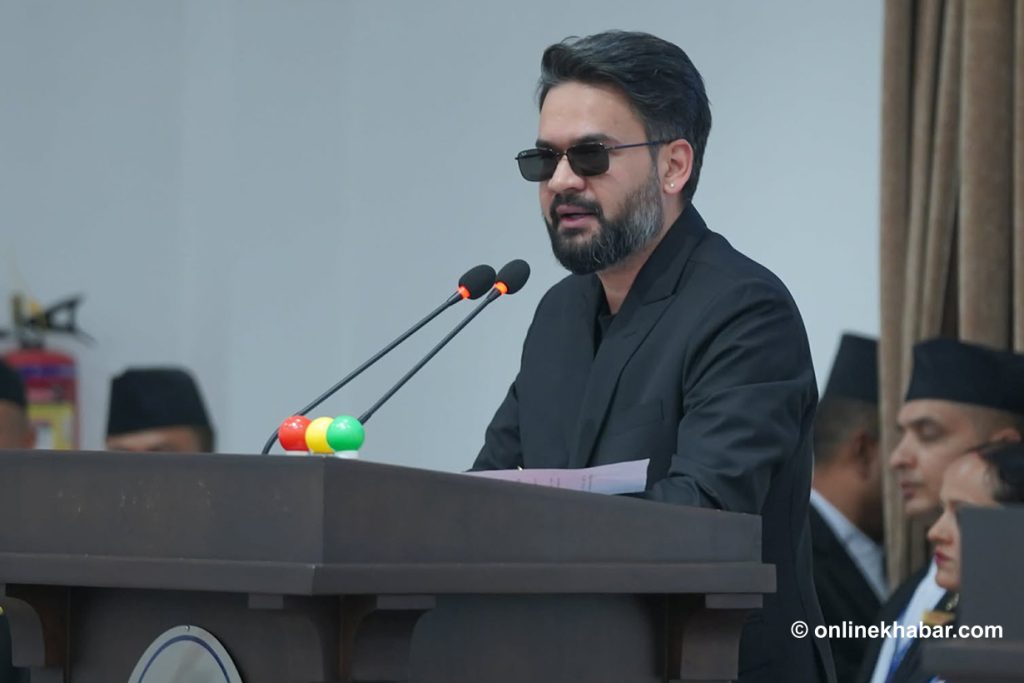
Prime Minister Balen Shah has described the Bhotekoshi flood in Rasuwa as a shared tragedy that has struck the entire country, while briefing the House of Representatives on the government’s response and the damage caused by the disaster.
“This pain is not just that of Rasuwa, Nuwakot and Dhading. It is a shared tragedy that has struck the entire country,” Shah said while addressing the House on Wednesday.
A devastating flood hit the Bhotekoshi and Trishuli rivers on August 26, affecting Timure, Syafrubesi and Betrabati in Rasuwa, as well as Trishuli Bazaar and Devighat in Nuwakot. Areas along the Trishuli River in Dhading, Chitwan and Gorkha were also affected.
According to the National Disaster Risk Reduction and Management Authority, the bodies of 1,114 people who had gone missing in the flood have been recovered.
Of them, 41 bodies were recovered in Rasuwa, 155 in Nuwakot, 59 in Dhading, 348 in Chitwan, 66 in Gorkha, 38 in Tanahun, 217 in Nawalparasi East and 190 in Nawalparasi West.
A total of 3,916 people remain unaccounted for, while 292 people have been injured.
Shah told the House that 11,993 people have so far been rescued from the flood-affected areas.
Of the 292 injured people, 182 have been discharged, while health workers are continuing efforts to improve the condition of those still receiving treatment.
Bhotekoshi flood severely damages hydropower projects
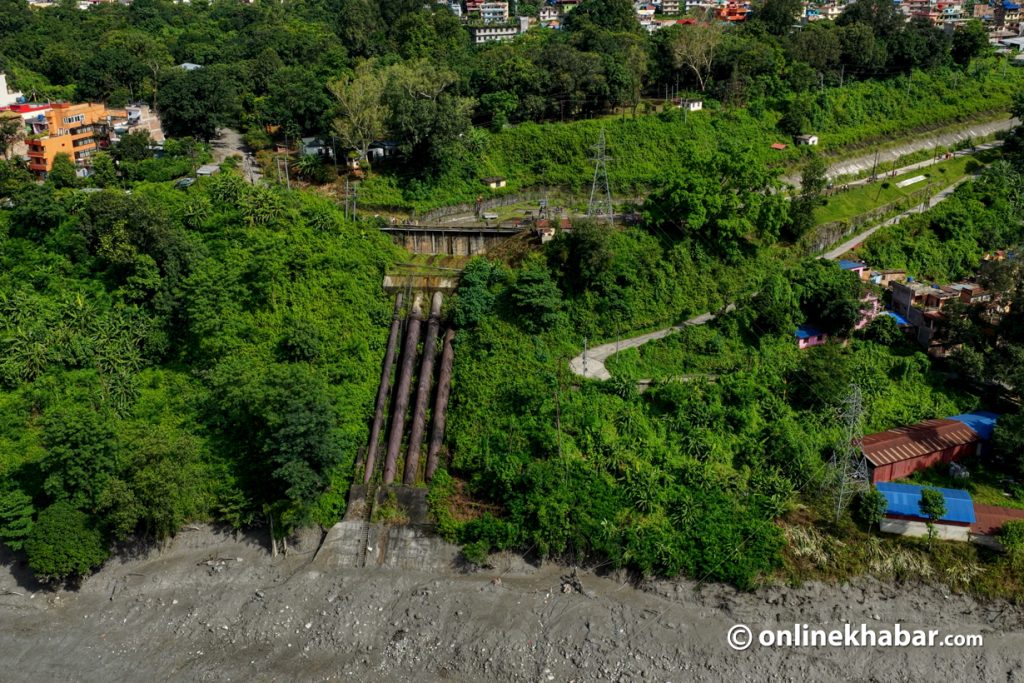
The Bhotekoshi flood has also caused extensive damage to hydropower projects operating or under construction along the Bhotekoshi–Trishuli corridor, as well as solar projects, Shah said.
According to the prime minister, eight hydropower projects that were generating electricity have suffered damage affecting 281 MW, while four projects under construction have suffered damage affecting 388 MW.
“Only some of them appear repairable, and significant investment will be required,” Shah said.
He added that the Bhotekoshi flood had disrupted 4,031.1 MW of electricity generation.
The government has begun restoring electricity services in the affected areas. Shah said electricity had been restored to 85% of areas in Nuwakot through alternative transmission arrangements, while restoration had reached 98% in Dhading and 40% in Rasuwa.
Government response began immediately
PM Balen Shah said the government went on alert immediately after the Bhotekoshi flood struck.
A meeting of the National Council for Disaster Risk Reduction and Management was held under his chairmanship. The meeting instructed all concerned agencies to prioritise the search for affected people, rescue operations and relief efforts.
An emergency meeting of the Monsoon Response Command Post was also held immediately after the incident to coordinate the situation assessment, search and rescue, security management, health services and relief mobilisation.
Authorities urged local administrations and the public not to travel on the Galchhi–Nuwakot road, the Syafrubesi road in Rasuwa and the Mugling–Narayangadh road, given the risks created by the disaster.
Local administrations were instructed to completely halt transportation and other movement in high-risk areas, with the safety of citizens given the highest priority.
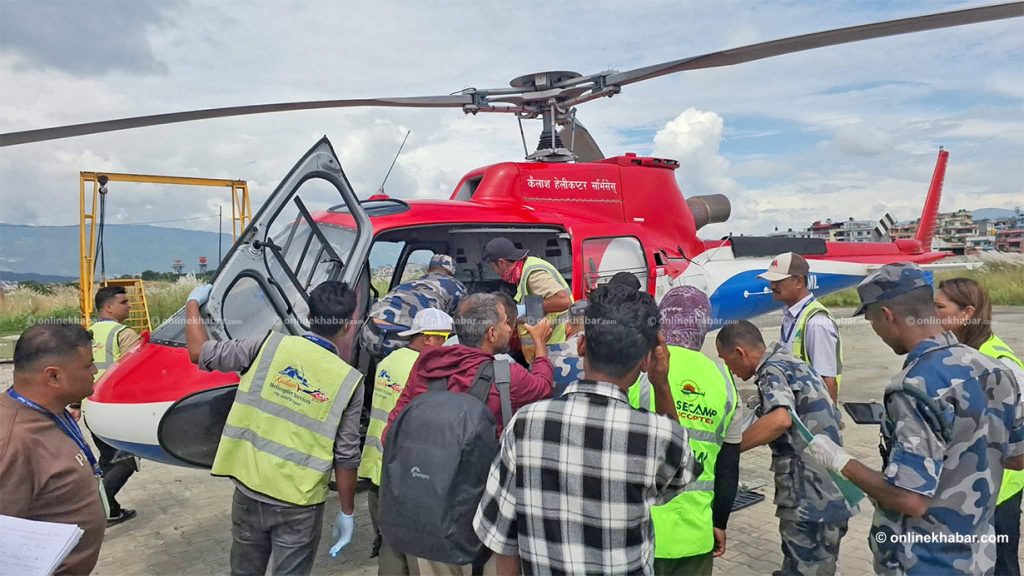
Nepali Army and private-sector helicopters were mobilised in Rasuwa and Nuwakot to accelerate search and rescue operations. Additional aerial and ground rescue resources were deployed according to the needs of affected areas.
The government also released an additional Rs 10 million each to the disaster management funds of Rasuwa and Nuwakot and Rs 5 million to the disaster management fund of Dhading.
Shah said the government’s entire focus remained on saving lives, search and rescue, treatment, relief and the safe relocation of affected people.
Cabinet decisions after the flood
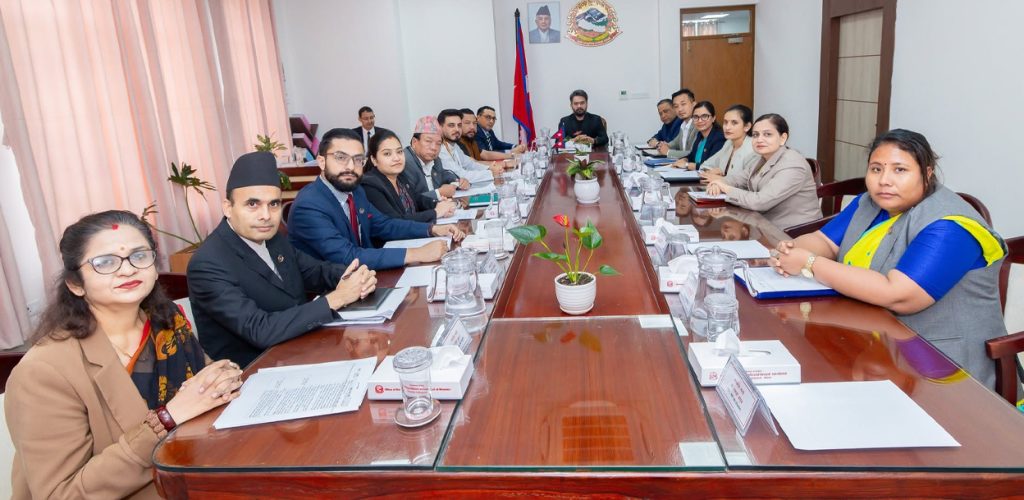
The Cabinet met on the day of the disaster and expressed deep sorrow over the loss of life and property caused by the Bhotekoshi flood in the Rasuwa border area, Rasuwagadhi, the Bhotekoshi River and downstream areas.
It paid tribute to those who died and expressed condolences to bereaved families while wishing those injured a speedy recovery.
The government decided to provide free immediate medical treatment to those injured in the disaster through the Ministry of Health and Food Hygiene, the Nepali Army and government hospitals.
The Home Ministry and Defence Ministry were tasked with arranging the immediate rescue and relocation of injured and stranded people to safe locations, with Nepali Army and private helicopters to be mobilised for the operation.
The Home Minister was also instructed to mobilise all necessary rescue resources, including helicopters.
The government decided to arrange food and accommodation for people who had lost their homes by relocating them to safe areas. The responsibility was assigned to the Home Ministry, the National Disaster Risk Reduction and Management Authority and the concerned disaster management committees.
The Ministry of Physical Infrastructure Development was instructed to reopen roads disrupted by the Bhotekoshi flood and arrange drinking water in the affected areas as soon as possible.
The Ministry of Energy, Water Resources and Irrigation and the Nepal Electricity Authority were tasked with restoring disrupted electricity supplies, while the Ministry of Information and Communications was instructed to restore telecommunications services.
The Cabinet also decided to provide financial assistance to the families of those killed in accordance with prevailing law.
The finance minister was tasked with coordinating the mobilisation of financial resources required for the immediate operation and reconstruction of damaged public structures and physical infrastructure.
The government also decided to declare flood-affected local levels in the affected districts as disaster crisis zones for three months under Section 32 of the Disaster Risk Reduction and Management Act, 2074, and arrange for the declaration to be published in the Nepal Gazette.
The Cabinet called on provincial governments, local governments and various organisations to assist with the search, rescue and relief of affected people and the treatment of those injured.
Government coordinating with provincial and local authorities

Shah said the government had been coordinating continuously with provincial and local governments and elected representatives since the beginning of the disaster.
“From the very beginning, we have been in continuous dialogue with the provincial government, local governments and elected representatives. When we visited the affected areas, we also held discussions with a team led by the chief minister of Bagmati Province,” he said.
He said the National Disaster Risk Reduction and Management Authority subsequently held discussions and assigned responsibilities to provincial and local governments.
Shah said the government remained focused on coordinating these efforts while continuing rescue, treatment, relief and restoration work in the affected areas.
He also said there was no time to step back and rest simply because people were physically exhausted.
Even as the scale of the tragedy weighs heavily, he said, the priority now was to continue working together to respond to the crisis.