

Kathmandu, September 2
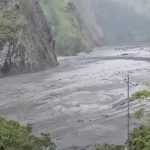
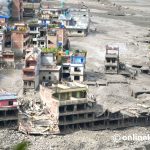
The shortage of liquefied petroleum gas (LPG) in Kathmandu and several other parts of Nepal is worsening after the Bhotekoshi flood damaged key road links used to transport cooking gas into the capital.
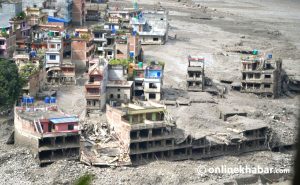
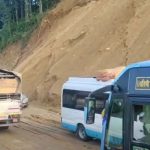
The flood on August 26 caused severe damage along the Trishuli River corridor, including at Krishnabhir in Dhading, where a section of the Prithvi Highway was washed away. The highway is one of the main routes connecting Kathmandu with the southern plains, where LPG is refilled and transported to the capital.
With the main highway blocked, large LPG bullets have been unable to reach Kathmandu, disrupting the normal supply chain.
The shortage, however, predates the latest road disruption. Consumers in Kathmandu and other districts say they have been struggling to obtain LPG for weeks, with some reporting that they have gone without a cylinder for up to a month.
At dealers in areas such as Chabahil, Banasthali and Anamnagar, consumers say they are being told to wait without a clear indication of when new supplies will arrive.
“I haven’t got gas for 10-12 days,” Chabahil resident Shyam Dumre said. “They don’t even take our names at the dealer. They just say to come when the gas arrives.”
The shortage has particularly affected people living alone and students who rely entirely on LPG for cooking. A student in Bhaktapur said he had been without gas for a week and was now alternating between eating at friends’ rooms and restaurants.
In Gorkha, residents of Siranchok Rural Municipality-4 placed empty cylinders on the road in protest, saying they had been facing a shortage since June.
Alternative supply routes being used
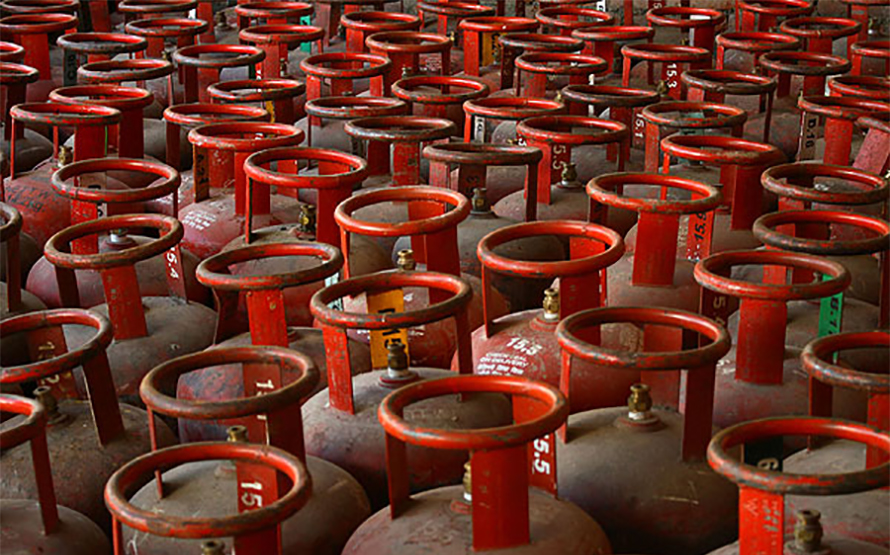
Following the disruption, the Nepal Oil Corporation and LPG industry association have been trying to maintain supplies through alternative routes.
Empty cylinders from Kathmandu are being transported by small and medium-sized trucks to LPG plants in the southern plains, including Chitwan, Dhanusha, Bara, Parsa, Makwanpur and Nawalparasi. The cylinders are refilled there and brought back to Kathmandu.
The problem is that the alternative roads cannot handle the same volume of traffic as the Prithvi Highway.
The Tribhuvan Rajpath and Kanti Lokpath have been used to bring LPG into Kathmandu, but both are narrower and vulnerable to landslides. Authorities have introduced one-way, alternating traffic in some sections to manage congestion and reduce the risk of accidents.
Further landslides on the alternative routes have also disrupted movement.
Nepal LPG Industry Association president Diwan Chand said gas was available at plants but could not be transported efficiently to the market.
“Gas is being filled at plants in Chitwan, Nawalparasi and Parsa, but the roads are not yet in a condition to bring it here,” Chand said.
According to the association, a small truck can carry only around 400 to 450 cylinders. Kathmandu requires around 40,000 cylinders a day, meaning thousands of additional vehicle trips would be required to meet demand using smaller vehicles.
“If we bring only 10,000 cylinders a day, we need around 25 trucks. To take empty cylinders out and bring filled ones back, we would need around 50 trucks,” Chand said.
He said around 100 LPG bullets are currently stuck in Kathmandu, preventing them from returning to plants to collect new supplies.
Industry says shortage is also linked to earlier supply problems
Gas traders say the current crisis cannot be attributed entirely to the damaged roads.
Consumers have reported shortages for several months, while gas dealers in Kathmandu have increasingly been operating with little or no stock.
The LPG industry association says there had also been some disruption in imports from India earlier, although supplies have since improved.
At the same time, industry representatives say the immediate crisis is now transportation.
Nepal Gas operator Gokul Bhandari said the company’s Balaju plant has effectively stopped operating because LPG bullets have not been able to reach Kathmandu.
“There are no gas bullets coming to Balaju. Without gas, there is nothing to fill into cylinders, so the plant is currently closed,” Bhandari said.
The company is now trying to refill cylinders in Chitwan and transport them to Kathmandu.
Oil Corporation: Gas is available, roads are the problem
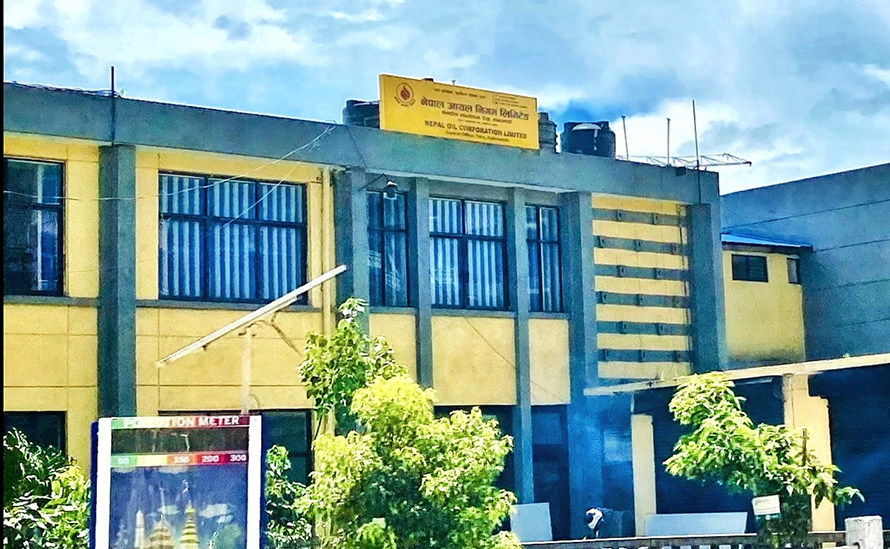
The Nepal Oil Corporation disputes the characterization of the current situation as a shortage of LPG itself.
Corporation executive director Nagendra Shah said there has been no disruption in LPG imports from India and that sufficient gas is available.
According to Shah, the main problem is the inability to transport the gas through damaged roads.
“Now the problem is not gas; it is the road and transportation,” Shah said, adding that LPG was previously being transported over relatively short distances but that damaged roads have made the journey much more difficult.
He said LPG is currently being refilled outside Kathmandu and that supplies are expected to begin reaching the capital through alternative routes.
The corporation says supplies in most provinces remain normal and that the disruption is concentrated around areas affected by the flood and road damage.
However, LPG traders warn that the alternative routes alone cannot meet Kathmandu’s daily demand.
For consumers, the distinction between a supply shortage and a transport problem makes little difference. With empty cylinders accumulating at homes and dealers unable to provide a clear delivery date, many households are already struggling to cook.
Unless the damaged road links are restored or a much larger alternative transportation system is put in place, consumers in Kathmandu and other affected areas are likely to face continued LPG shortages in the coming days.