Dolpa, August 20
The District Administration Office, Dolpa, has begun distributing border passes to residents of three local units to facilitate travel and trade across the Nepal-China border.
The passes are being issued in coordination with local governments for access to the Marim La and Kato border crossings. More than 350 residents have received passes for the Kato crossing, according to the administration.
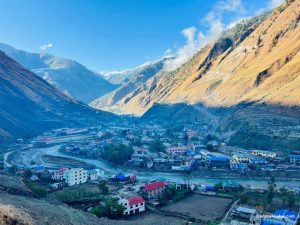
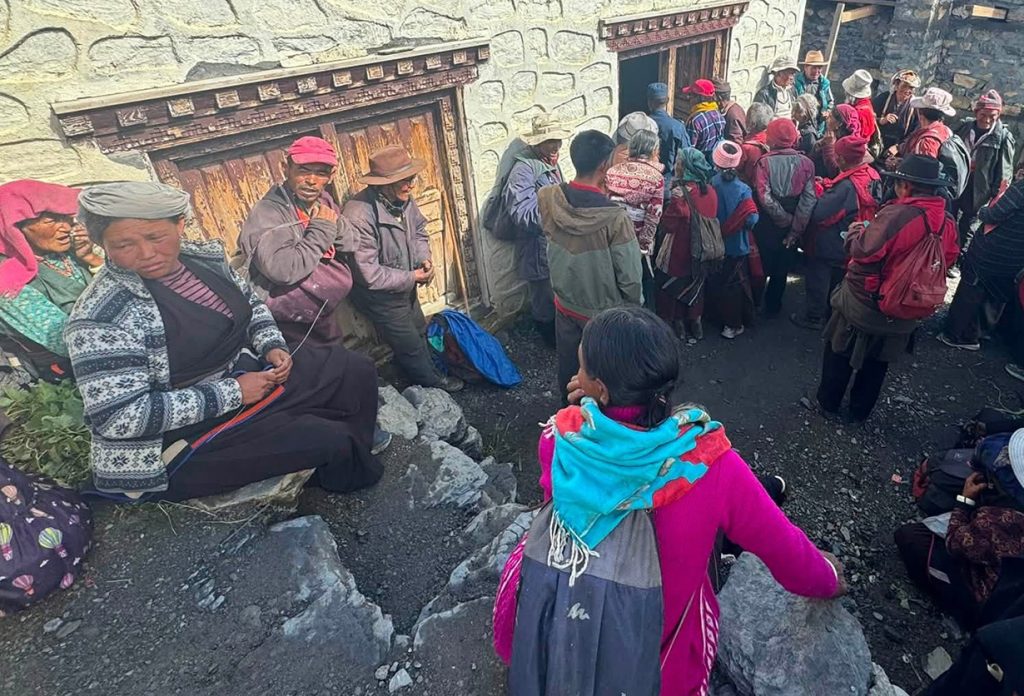
Officials have been visiting villages in Upper Dolpa to distribute the passes, aiming to make regular cross-border movement and trade easier for residents living near the Chinese border.
According to Administration Section officer Datta Lama, who has been deployed by the administration office, officials have been distributing the passes across Upper Dolpa for the past 15 days.
Despite the difficult terrain, officials have been travelling to remote settlements to provide the service locally rather than requiring residents to travel to the district headquarters.
50 passes distributed in Dho
So far, 50 border passes have been distributed in Dho of Dolpo Buddha Rural Municipality.
Lama said the process has been largely completed in Dho, although some residents of wards 1, 2 and 3 are yet to receive their passes. The administration is preparing to issue passes to those who complete the required procedures.
Officials have yet to reach wards 7, 8 and 9 of Shey Phoksundo Rural Municipality to distribute the passes because of the difficult geography and poor road access.
Around 200 passes have been distributed in other areas of the rural municipality so far, Lama said.
The administration said it is preparing to reach the remaining settlements and provide passes to eligible residents.
The administration said border passes have already been distributed to all eligible residents of Chharka Tangsong Rural Municipality.
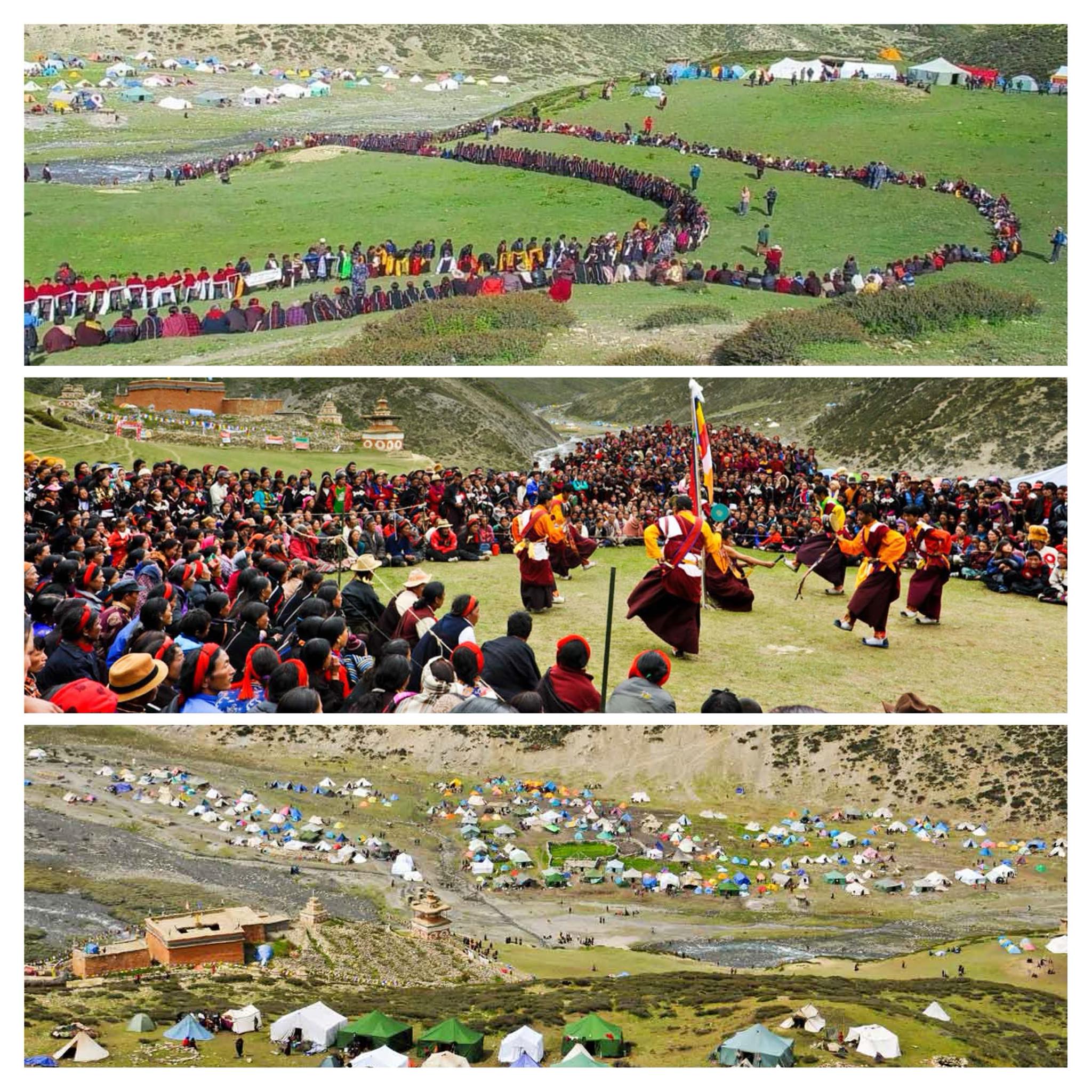
Residents of the three Upper Dolpa local units have longstanding social and commercial ties with Tibet. Many rely on the border crossings to purchase daily necessities and conduct trade.
Because most settlements in Upper Dolpa have limited road and transport access, residents rely heavily on Tibet for essential goods such as rice, flour, salt and cooking oil.
The Marim La crossing, in particular, serves as an important trade and supply route for communities in Upper Dolpa. Residents travel to Tibet to purchase goods and return to their villages through the border crossing.
The border passes are therefore considered important for both local trade and daily movement.
Officials said distributing the passes directly in villages will save residents the time and expense of travelling to the district headquarters, particularly those living in remote settlements.
The administration has said it will continue coordinating with local governments to distribute passes to residents who have yet to receive them.