
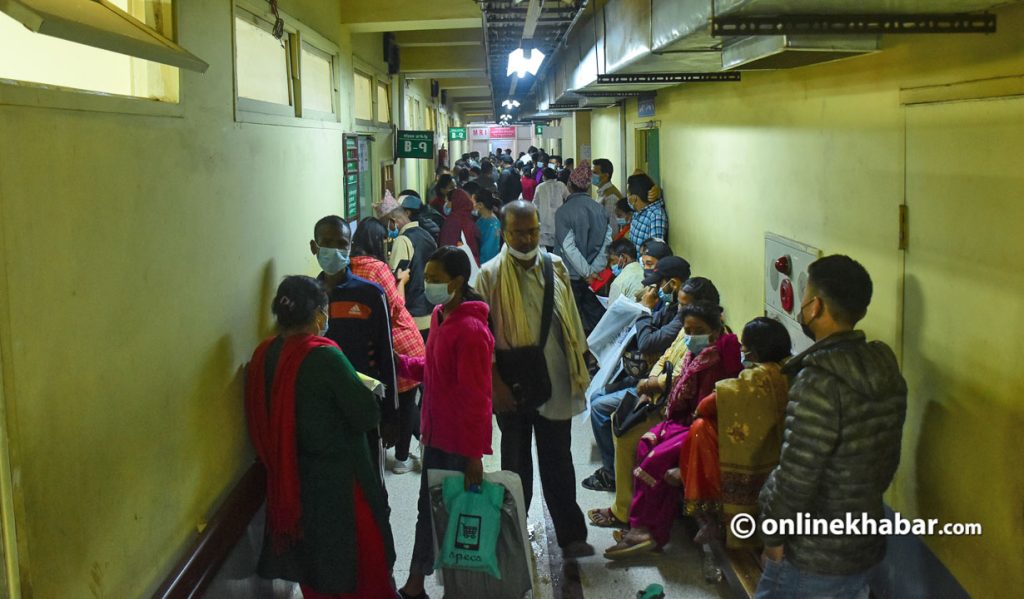
An elderly farmer from Rolpa arrives at a hospital in Kathmandu after travelling for nearly two days. He has visited his local health post, a district hospital, and a private clinic over the past several years. He has been treated for diabetes, high blood pressure and, more recently, chest pain. He has undergone blood tests, X-rays and an ECG. Somewhere along the way, medicines were changed. New diagnoses were added. Old reports disappeared. Now, sitting across from a doctor, he hears a question familiar to millions of Nepalis.
“Do you have your previous medical records?”
He slowly opens a plastic bag filled with folded prescriptions, fading laboratory reports and handwritten notes. Some documents have been damaged by rain. Others were left at home. A few have simply been lost.
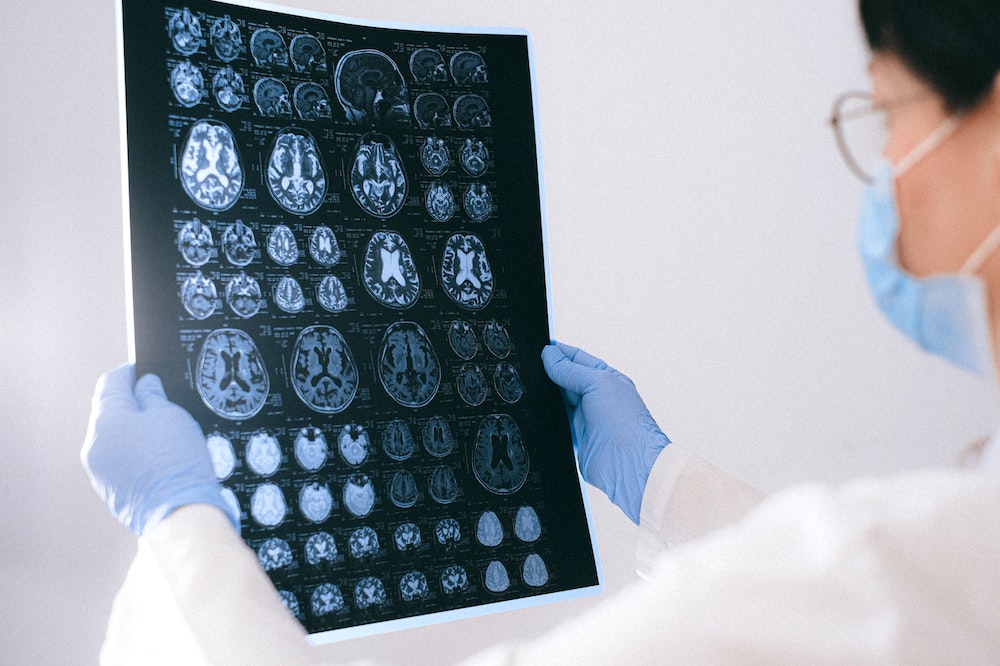
The doctor studies the papers, but the story is incomplete. Unable to see the patient’s full medical history, the physician orders another round of tests, not because the previous tests were unnecessary, but because the information cannot be trusted, verified or accessed.
The patient pays again. Another day is lost. Treatment is delayed. This scene plays out every day across Nepal. It is so common that we rarely stop to ask an important question.
Still depending on paper and memory
For decades, Nepal has invested in hospitals, medical colleges, diagnostic centres and specialist services. These investments have undoubtedly improved healthcare and saved countless lives. Yet one critical part of healthcare has remained fragmented, which is the information about the patient’s medical records. Every hospital maintains its own records. Every laboratory stores its own reports. Every pharmacy keeps its own dispensing information.
Some hospitals have adopted electronic medical record systems, while others continue to rely on paper files. But regardless of the technology used, one reality remains unchanged: medical information rarely moves easily from one institution to another. The result is that every hospital remembers only the care delivered within its own walls. The patient becomes the only connection between them. Healthcare has become institution-centred rather than patient-centred.
Imagine if Nepal’s banking system worked this way. Suppose every time you travelled from Pokhara to Kathmandu, your bank account remained behind. Suppose you had to carry years of transaction records in a folder simply to withdraw your own money. No one would accept such a system. Today, banking works because the account belongs to the customer, not to the individual branch. Healthcare should work the same way. A person’s medical history does not belong to a hospital. It belongs to the patient. The hospital contributes one chapter. The clinic contributes another. The laboratory adds another. Together, they tell the story of one human life.
The consequences of fragmented healthcare extend far beyond inconvenience. Repeated investigations increase healthcare costs for families already struggling financially. Doctors make important clinical decisions without complete medical histories. Emergency physicians may not know a patient’s allergies or current medications. Patients living with chronic illnesses must repeatedly explain the same medical history to every new healthcare provider. In rural Nepal, where specialist services are often separated by long distances and difficult terrain, these problems become even more severe. Continuity of care disappears precisely where it is needed most. The challenge becomes even greater when we consider how Nepalis actually receive healthcare. For instance, a pregnant mother may begin her care at a local health post, deliver her baby in a provincial hospital, and later seek specialist care in Kathmandu. An elderly man with heart disease may receive medicines from one hospital, laboratory investigations from another, and emergency treatment somewhere else. Children receive vaccinations at one facility, treatment for infections at another, and nutritional support through community programs. Each institution sees only one part of the story. No one sees the whole patient.
This is not a criticism of doctors. Nor is it a criticism of hospitals. Doctors can only make decisions using the information available to them. Hospitals can only manage records created within their own systems. The problem lies deeper. It lies in how we have organised healthcare itself. For more than a century, healthcare systems around the world have been built around institutions. Hospitals became the centre. Medical records remained inside hospitals. Patients travelled from one institution to another carrying pieces of their own medical history. That model made sense when paper records were the only practical option. The world has changed. Healthcare has been slower to change with it. We have designed healthcare around institutions. It is time to redesign it around people.
Today almost every Nepali carries a smartphone. Families separated by thousands of kilometres communicate instantly. Financial transactions occur digitally. Businesses operate across continents. Information moves around the world in seconds. Yet healthcare often remains fragmented into disconnected islands. Perhaps the question is no longer how we build better hospitals. Perhaps the more important question is whether healthcare itself should continue revolving around hospitals.
Many countries are now confronting this challenge. Ageing populations, rising chronic disease, increasing healthcare costs and growing expectations for continuity of care are forcing governments to rethink long-established assumptions. The conversation is gradually shifting. The goal is no longer simply to digitise hospitals. It is to redesign healthcare around patients. That distinction matters. Digitising existing systems may make hospitals more efficient. Redesigning healthcare changes how patients experience care throughout their lives.
Nepal stands at an important crossroads. We can continue building healthcare, one institution at a time. Or we can begin asking a different question. What would a healthcare system look like if it were designed around the patient rather than around the hospital? The answer to that question could shape the future of healthcare in Nepal for generations to come. It is a conversation that deserves the attention not only of doctors and policymakers, but of every citizen because healthcare is not simply about hospitals; it is about people. Perhaps the first step toward building a better healthcare system is recognising a truth that has remained hidden in plain sight. Our hospitals remember patients. Our healthcare system does not.