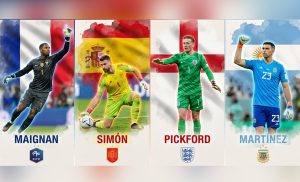
As the FIFA World Cup 2026 draws near, football fans around the world have been eagerly waiting to find out which players will represent their countries on the biggest stage in world football.
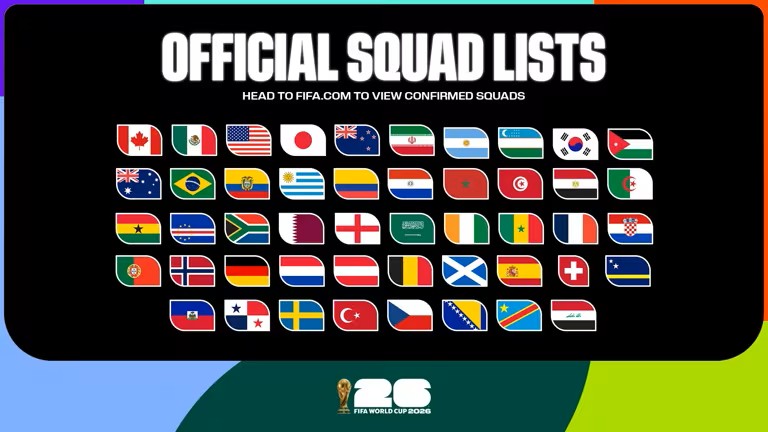
That anticipation has now come to an end after FIFA officially released the final squad lists of all 48 participating nations. The 23rd edition of the FIFA World Cup will be held in the United States, Mexico and Canada from June 11. With only three days remaining before kickoff, the final rosters of all participating teams have now been confirmed.
According to FIFA, the publication of the final squad lists marks one of the most exciting milestones ahead of the tournament. The 2026 World Cup, the first to be jointly hosted by three countries, will feature a record 104 matches. It is also the first World Cup to include 48 nations, with a total of 1,248 players named in the final squads.
FIFA described this edition as a historic turning point for global football, opening opportunities for more nations, players and supporters than ever before. The governing body said the final squad lists highlight both the scale and enduring appeal of the tournament.
According to FIFA, 357 players who have previously appeared in at least one FIFA World Cup have been selected again, while 891 players are preparing to experience football’s biggest tournament for the first time. FIFA said this reflects both continuity and renewal in the global game.
Wide age range among participants
The age diversity among players is also notable. The oldest player in the tournament is Scotland goalkeeper Craig Gordon, aged 43 years and 162 days, while the youngest is Mexico’s Gilberto Mora, aged 17 years and 240 days — a gap of more than 25 years.
At the start of the tournament, 22 players aged under 20 and seven players aged 40 or older could feature in matches.
The tournament will also include 22 players who have previously won the FIFA World Cup.
Four nations set for World Cup debut
Alongside the return of established stars, four nations are preparing to make their FIFA World Cup debut.
Cape Verde, Curaçao, Jordan and Uzbekistan have qualified for the tournament for the first time.
One of the major storylines is Uzbekistan’s historic first appearance on the world stage, with rising talents such as Manchester City defender Abdukodir Khusanov helping realise the country’s World Cup dream.
Other promising young players to watch include France’s Warren Zaïre-Emery, New Zealand’s Finn Surman and Morocco’s Bilal El Khannouss.
Messi and Ronaldo eye sixth World Cup appearance
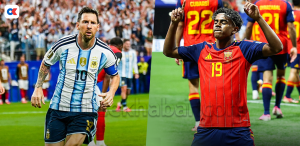
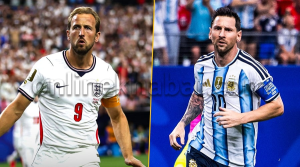
Argentina captain Lionel Messi, Portugal star Cristiano Ronaldo and Mexico goalkeeper Guillermo Ochoa have all been selected for what could be a record sixth FIFA World Cup appearance.
Messi and Ronaldo will be aiming to set a new benchmark by playing in six World Cups.
Clubs from 71 countries represented
The player list also reflects the increasingly global nature of modern football.
A total of 449 clubs from 71 countries are represented at the FIFA World Cup 2026. The clubs include 14 from Asia, six from Africa, seven from CONCACAF, eight from CONMEBOL, one from Oceania and 35 from Europe.
The squads of Qatar and Saudi Arabia are almost entirely composed of players from their domestic leagues, with 25 of their 26 players coming from local clubs.
In contrast, the final squads of Cape Verde, DR Congo, Côte d’Ivoire, Curaçao, Senegal and Uruguay consist entirely of players competing in foreign leagues.
Queiroz set for fifth consecutive World Cup
On the coaching front, Ghana head coach Carlos Queiroz is set to coach in his fifth consecutive FIFA World Cup.
He previously led Portugal in 2010 and Iran in 2014, 2018 and 2022. He will become only the second coach, after Bora Milutinović, to appear at five consecutive World Cups.
FIFA published the complete squad lists on Tuesday after all 48 participating nations submitted their final rosters by the June 1 deadline.
Under FIFA World Cup 2026 regulations, teams may replace players only in cases of serious injury or illness up to 24 hours before their first match. Any other changes must receive FIFA approval.