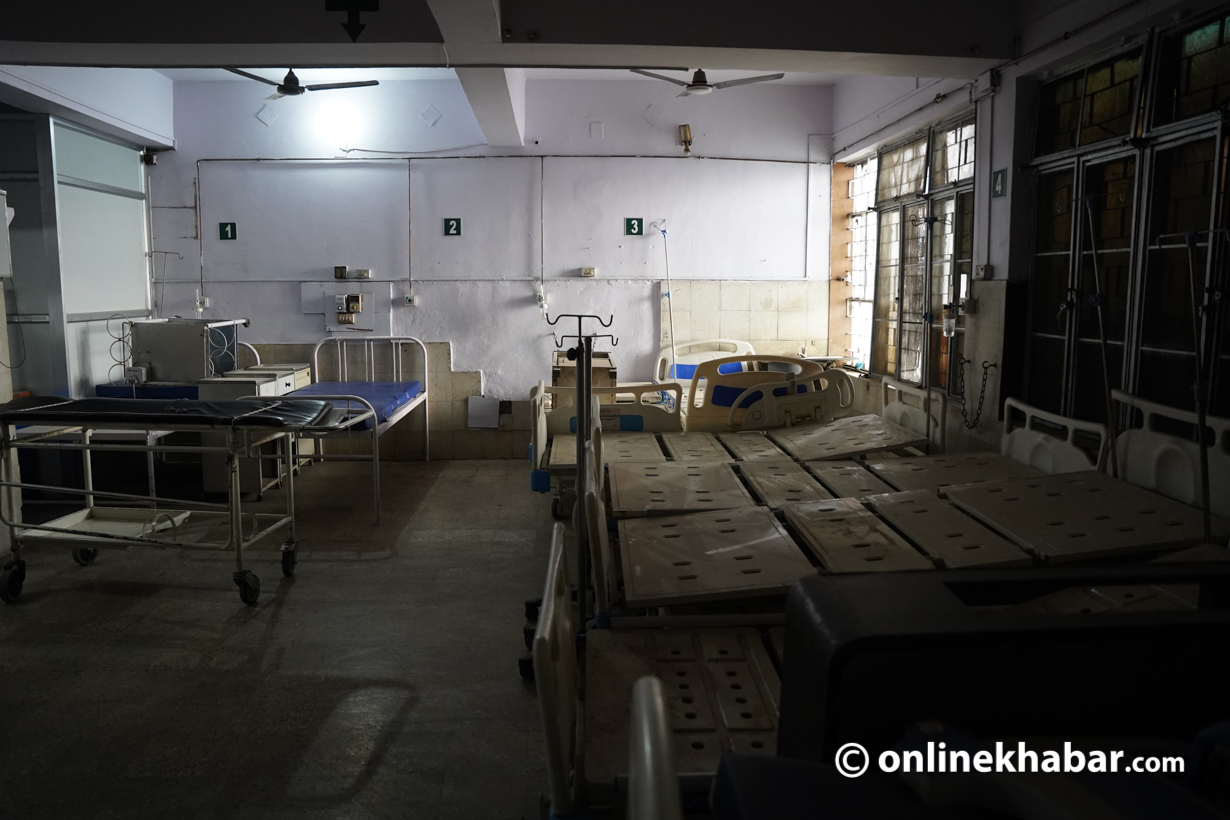


The healthcare system in Nepal is in dire need of an institutional change. For years, the country has grappled with severe shortages of medical doctors, especially in rural outposts, due to the unprecedented surge in healthcare professionals’ migration, although overproduction.
Medical doctors’ entry-level salaries, upon leaving university, are very low, at Rs 30,000 to Rs 50,000 per month, which is approximately $2,500 to $4,500 per annum. This is in stark contrast to the hundreds of thousands of dollars that institutional employers in the Global North have to offer. Adding to already high out-of-pocket health care expenses, putting families into poverty, the health care profession is now leaving in droves.
The Federal Budget on 29 May 2026 for Fiscal Year 2026/27 (2083/84 BS) was all the more highly anticipated for a sector under extreme duress. Amidst formal pre-budget lobbying by the Nepal Medical Association (NMA) demanding that health allocations reach at least 10% of the national budget, the government announced an allocation of approximately Rs 102 billion for the health sector.
This is a good start to fill in gaps at the most vulnerable points, but it indicates a general paradox in state policy. The government shows openness to offering targeted incremental wedges for doctors working in government hospitals, but forgets to advocate for structural changes that will retain them in the system and ensure their sustainability.
Positive steps in the 2026/27 budget
On its face, the new fiscal plan contains numerous interesting interventions to ensure optimism at the grassroots level. The frontline nursing profession, which has been subjected to regular gruelling and unsafe overnight shifts, is getting a double night-duty allowance from the government.
This much-needed monetary redressing recognises the accumulated physical and emotional burden suffered by nurses in hospitals. Similarly, Female Community Health Volunteers (FCHVs), the unsung foundation of Nepal’s rural health care architecture, are to be granted a 50% increment in their travel charges. This focused subsidy is a crucial element in motivating the local workforce to serve maternal and child health needs in challenging areas.
In addition to these cadre-specific changes, the budget establishes a general pay raise of around 21% for all civil servants, which echoes a pay raise that directly raises the base pay of thousands of government workers, including doctors, nurses and technical employees. The widespread structural pledges cover:
- Expansion of the National Health Insurance Program Scheme: To reduce expenditure on health services that would lead to catastrophic out-of-pocket costs.
- Funding for new public hospital infrastructure: Enabling a greater physical reach for underserved communities.
- Introduction of fully subsidised treatment packages for childhood cancers: reducing financial burden on vulnerable families.
The interventions have been defined as part of a strategic blueprint to strengthen the sector systemically and improve conditions for its workforce, with the core message made by the Ministry of Health and Food Security (MoHFS). The state’s direct subsidy to grassroots volunteers and the tangible boost to nurses’ shift rates highlight the state’s recognition of the current on-the-ground pressures on its frontline staff.
Shortcomings: The medical blindspot
Nisha Mehta, a Nepali politician and nurse, currently serving as the Minister of Health and Food Security in Balen Shah’s Cabinet, has been heavily criticised for her bias towards nurses and for turning a blind eye to doctors and other healthcare professionals. Although these are at a micro level, apprehension among medical practitioners in Nepal concerning significant issues persists unresolved in the 2026/27 budget.
The NMA’s core demands for deep structural and legal safeguards had not been part of the budget speech. Among the most missing are an independent Medical Service Commission or a separate Medical Service Act. For a long time, doctors have claimed that the traditional Civil Service Act is inadequate to fight the spasmodic promotions, strict specialisation, and high-stakes atmosphere of clinical work.
The Chronic Disconnect In Nepali Healthcare
| NMA’s Structural Demands | FY 2026/27 Budget |
| 10% Macro Budget Share | 4–5% of the total budget |
| Dedicated Medical Service Act | General 21% Civil Pay Bump |
| Automatic 1st-Class Entry | Targeted Volunteer Subsidies |
The government stuck with treating highly specialised medical professionals as generic bureaucrats by failing to introduce automatic entry as a first-class officer in the civil service for newly minted MBBS graduates. Nepali doctors are one of the most under-resourced and inefficiently paid medical staff across the SAARC region, with no compensation or overtime arrangement if they are overworked in government hospitals.
This lack in the policy directly contributes to constant brain drain. The Nepal Medical Council registers thousands of new practitioners each year; in contrast, only a tiny proportion of those, e.g., a drop of a small needle in a big haystack, are given government positions in permanent quotas by the Public Service Commission (Lok Sewa Aayog). Newly graduated professionals are stuck in a vicious circle of temporary contracts, low pay, and urban jobs with extremely busy schedules or unfilled rural appointments with inadequate medical equipment.
The government’s inaction and the occasional promises by political authorities have seldom translated into a legislated change. A dangerous imbalance may arise with the state putting heavy emphasis on minor financial tweaks to the pay of nurses and volunteers while failing to make similar adjustments for doctors and other highly trained healthcare workers. In the absence of systematic alienation and economic incentives for clinical leaders to move, a healthcare system can’t operate effectively.
Broader context and deepening implications
The state’s failure to stabilise its medical workforce threatens its wider developmental and constitutional obligations. Nepal remains legally committed to achieving Universal Health Coverage (UHC) and fulfilling the United Nations Sustainable Development Goals (SDGs) for health by 2030. Yet, recent assessments show that public funding covers only about one-third of the country’s current health expenditures, leaving a vast majority of citizens exposed to financial hardship.
Nepali Health Financing Reality
| State Budget Contribution | 30.1% |
| Out-Of-Pocket & Private Spending | 69.9% |
Following the formal transition to a federal governance structure, the local and provincial levels are legally responsible for managing basic health infrastructure. However, without a cohesive national framework for workforce retention, provincial hospitals struggle to retain medical officers and specialists.
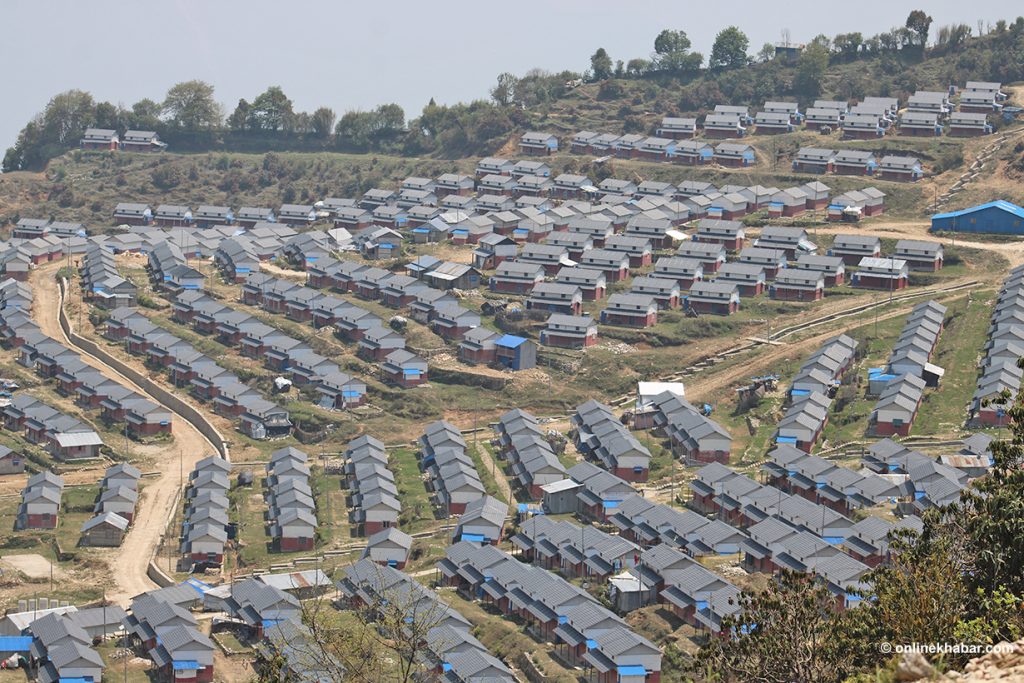
In public statements following the budget announcement, NMA officials expressed profound frustration explicitly in press releases, noting that while the government eagerly builds local municipal hospitals, it treats the procurement of human capital as an afterthought. Public health analysts warn that if doctors continue to leave the country at current rates, newly constructed rural facilities will sit empty, functioning as little more than monument sites to unstaffed infrastructure.
The fiscal policies in the FY 2026/27 National Budget reflect a government that, naturally, is not averse to spending money but is short on it, and yet is still insufficiently astute when it comes to healthcare. The agreed-upon allowances for nurses and community volunteers are good measures, but they address symptoms rather than the causes of the problem. Modernisation must go beyond the reactive approach of financial fixes and fully embrace a holistic and systemic approach to workforce planning.