
Dodhara Chandani (Kanchanpur), April 30
A total of 2,634 tourists visited Shuklaphanta National Park in the first six months of the current fiscal year. Of them, 1,629 were men and 1,005 were women, according to the park office.
Among the visitors, 2,278 were domestic tourists. Likewise, 244 tourists from SAARC countries—including 195 men and 49 women—and 112 tourists from other countries, including 63 men and 49 women, visited the park, said Purushottam Wagle, the park’s Information Officer.
During this period, the highest number of visitors was recorded in Chaitra (March 15–April 13), with 621 tourists. Similarly, 580 tourists visited the park in Kartik (October 17–November 15), 293 in Mangsir (November 16–December 15), 376 in Poush (December 16–January 14), 369 in Magh, and 386 in Falgun (February 13–March 14).
Wagle said the park collected Rs 1,467,486 in revenue from entry fees during this period.
The park, rich in biodiversity, rare wildlife, and a शांत and natural environment, is becoming increasingly popular among tourists. Although the number of foreign visitors declined slightly after the COVID-19 pandemic, it has been rising in recent years.
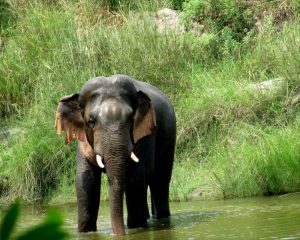
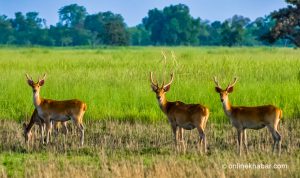
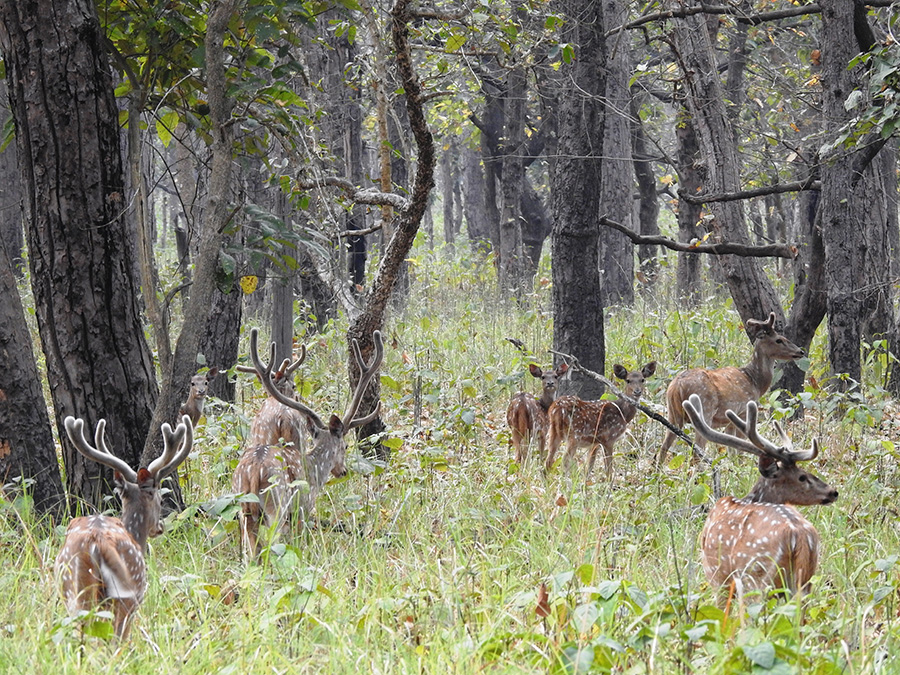
“This park, which has the largest grassland in Nepal, is home to leopards, deer, and other rare wildlife, as well as diverse plant species. Both domestic and international tourists visit for observation, as well as for study and research related to its natural beauty and biodiversity,” Wagle said.
According to park data, 3,762 people—including 132 foreign tourists and 112 from SAARC countries—visited the park in the fiscal year 2080/81. In the fiscal year 2081/82, the number stood at 3,322, including 199 SAARC tourists and 152 from other countries.
Shuklaphanta National Park, spread over 305 square kilometres, is known for its rhinoceroses and is home to more than 2,323 swamp deer.