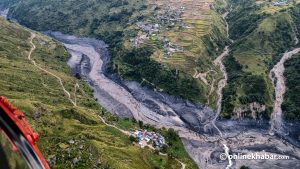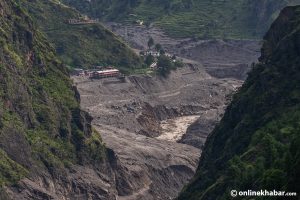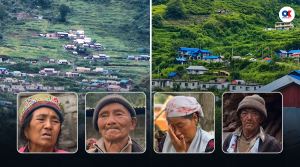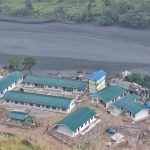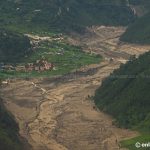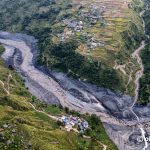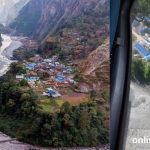

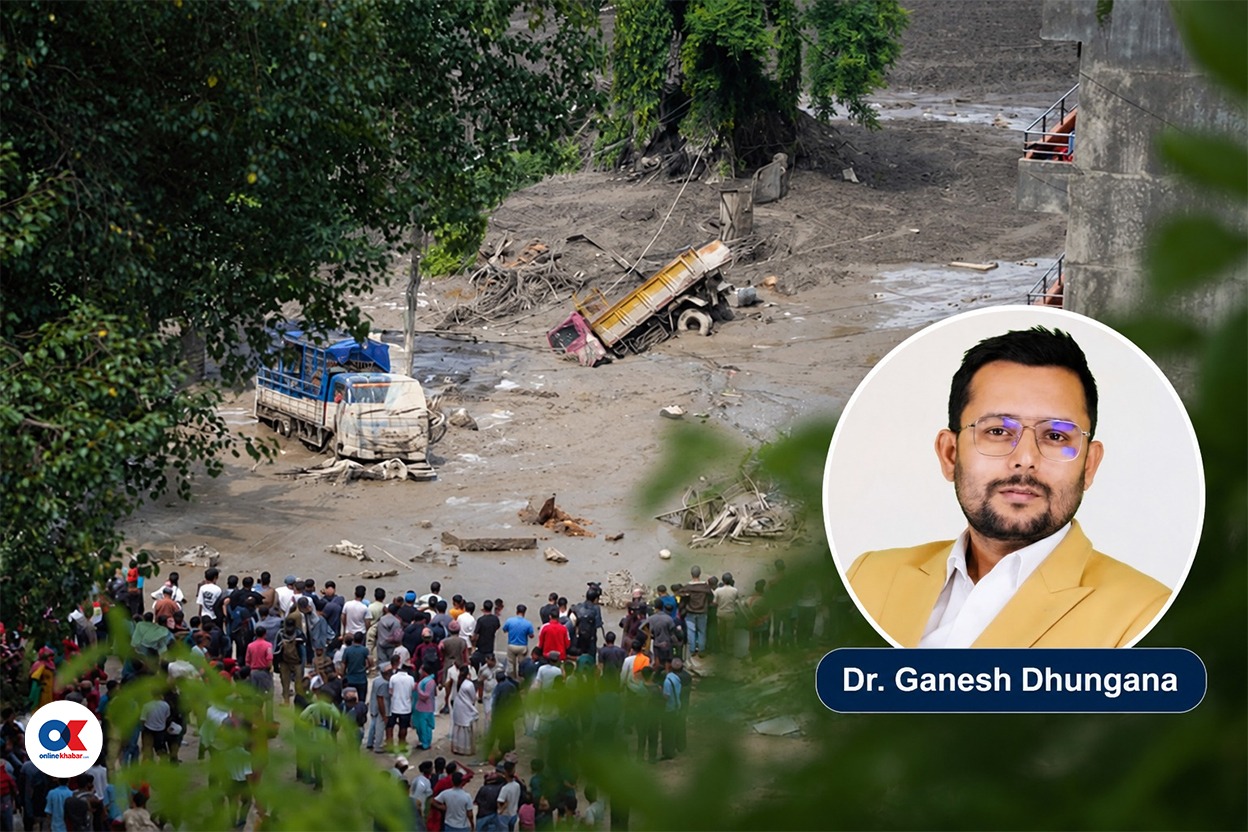
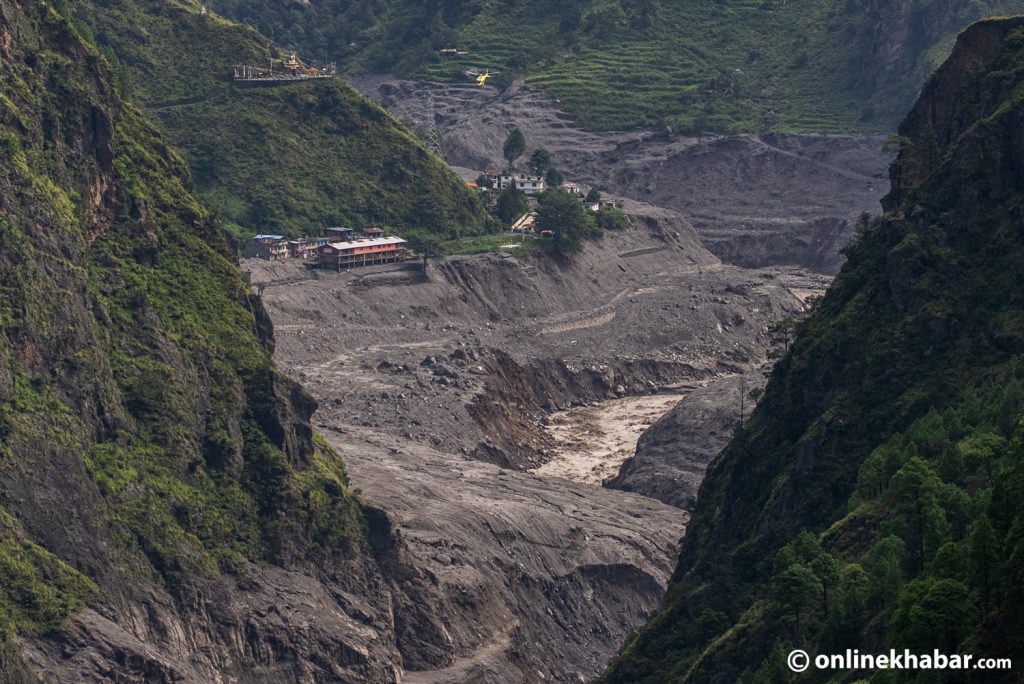
The Bhotekoshi flash flood in Nepal cannot simply be called a natural disaster.
Extreme floods are commonly described using annual exceedance probabilities or return periods—such as 50-, 100- or 500-year events, or even rarer ones. These terms do not tell us when a flood will occur; they describe its estimated probability and magnitude. Even rare events, therefore, need to be considered when the consequences of failure are severe.
The real question is: were we prepared for it?
A natural hazard alone should not have resulted in this level of human casualties and economic loss. A river has its own right of way. It needs space to flow, expand and, during extreme events, sometimes change its course. But have our planners and decision-makers really respected that?
We continue to develop cities, roads, settlements and infrastructure in flood-prone and risk-sensitive areas. We know the risks, yet we often choose what is easier, cheaper and economically attractive today without seriously considering what may happen 20, 50 or 100 years from now.
Where is the science in our development decisions?
Where are the flood-risk maps, river corridors, historical evidence, future climate projections and risk-sensitive land-use plans? Even when these studies exist, are we actually using them to make decisions? Or are we simply hiring consultants to prepare reports, complete the paperwork and validate what has already been decided?
This is where our federal and local governments need to look inward.
Climate change is real, and it can increase the intensity and frequency of extreme events. But we cannot use “climate change” as a convenient explanation for every disaster and then walk away from the facts.
Why are we so quick to blame the global community in the name of climate change without first asking ourselves some uncomfortable questions?
Did we build inside floodplains? Did we allow settlements too close to rivers? Did we properly study flood hazards before approving development? Did we design our infrastructure with extreme events in mind? Did we enforce our own regulations? And did we listen to scientists, engineers and local knowledge when the risks were already visible?
If we failed in these areas, we have to accept that first.
Yes, climate change may increase the hazard, and global climate responsibility is an important issue. But climate change does not make poor planning disappear.
Our governments cannot escape accountability by pointing towards climate change or international responsibility. This is not about blaming one person or one institution. It is about questioning a system that repeatedly allows us to build vulnerability and then call the consequences a natural disaster.
Nature brings the hazard. Our decisions determine how destructive that hazard becomes.
This flood should not become another cycle of disaster, social-media outrage, international appeals, reconstruction, and then forgetting everything until the next flood.
We need to accept the facts. We need science-driven and evidence-based development. We need to respect rivers and their floodplains. We need governments, planners and communities that think beyond the next contract, the next project, the next funding cycle and the next election.
And, most importantly, we need accountability.
The river remembers its way, even when our planners forget it.
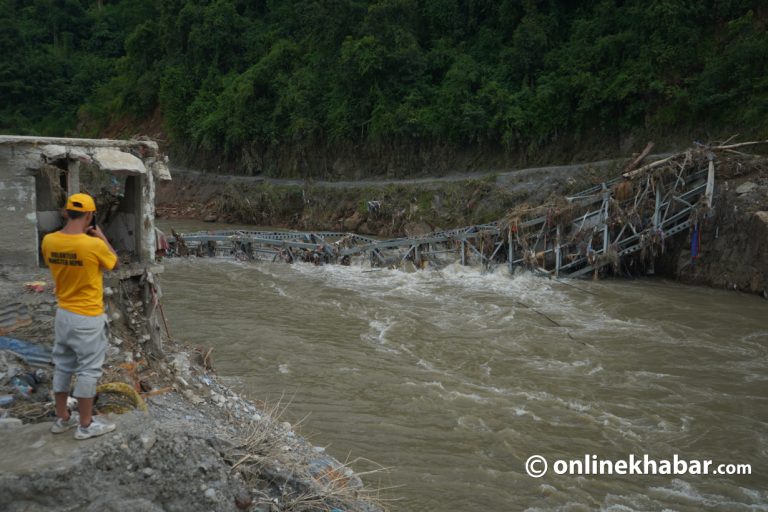
And to international agencies and development organisations: this disaster is not a desert waiting for your funding portfolios to bloom while communities are being buried under debris.
This is a time for humanity, coordination and genuine support—not competition for visibility, projects and funding opportunities.
If you are here to help, then help where communities actually need you. Listen first. Coordinate. Strengthen local capacity. Share knowledge. Support recovery that reduces future risk.
Do not turn people’s suffering into another project proposal or another line in an institutional portfolio.
And we, the public, also have a responsibility.
To social-media scrollers, content creators and curious visitors: a disaster site is not a tourism destination.
This is not the time to rush to affected areas simply to see what happened and become part of an already unmanageable crowd. Unnecessary visitors can block roads, interfere with rescue operations, create confusion and make an already difficult situation even harder.
If you cannot contribute to rescue, relief or technical support, sometimes the most responsible thing you can do is stay away from the affected area and allow responders to do their work.
Share verified information. Do not create panic for views and engagement. And do not make someone’s worst day of their life your social-media content.