

Nepal is at a political crossroads. The recent Gen-Z protests shook the country to its core, toppling a sitting government in just 48 hours. This was not just street politics; it was a loud signal of public frustration, frustration with corruption, slow governance, and political stagnation. But it’s not only about what’s happening inside Nepal.
Regional geopolitics and international influence have quietly but powerfully shaped the currents behind these protests. Even after a new government was formed and investigation committees were set up to look into the September 8–9 shootings and vandalism, uncertainty persists.
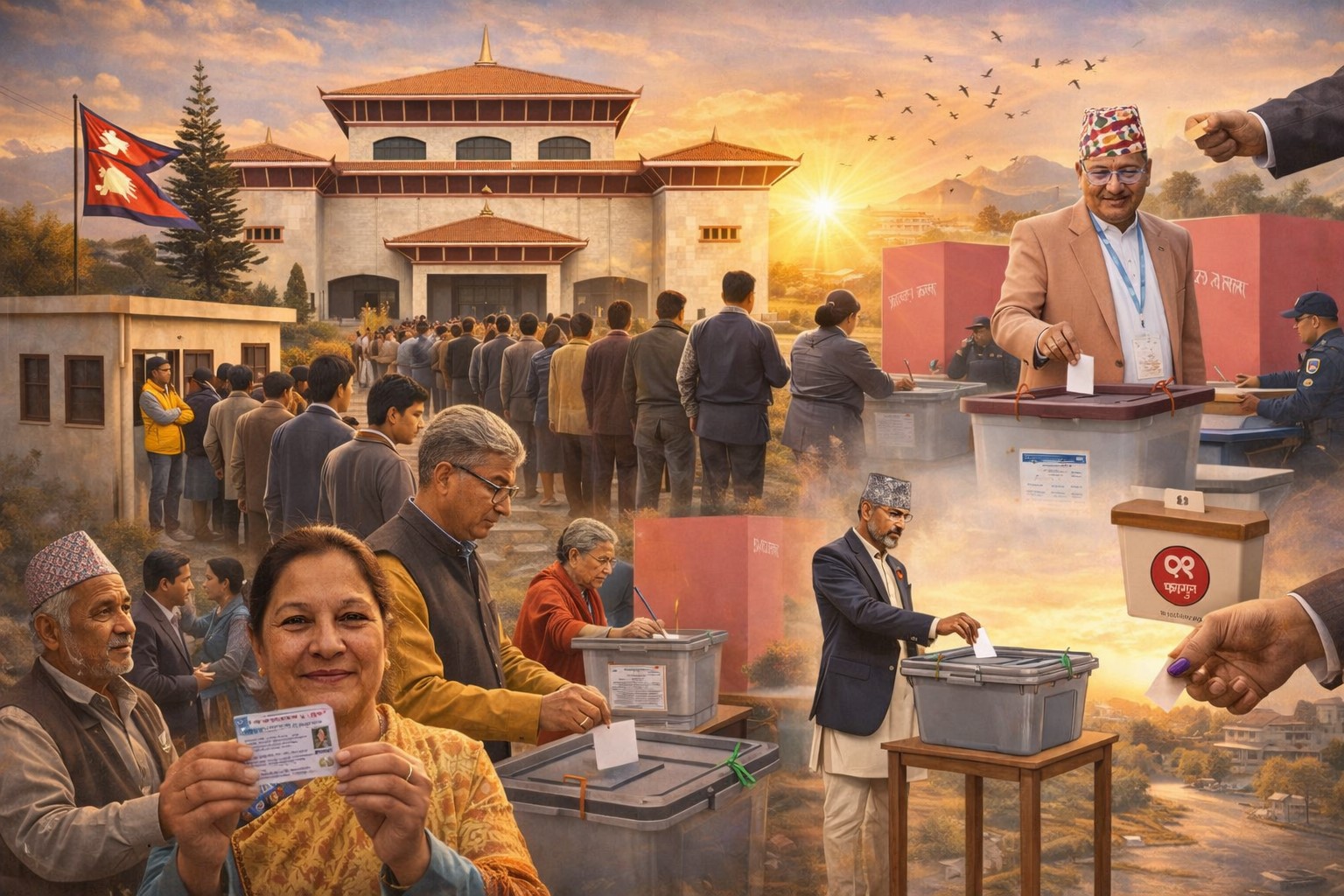
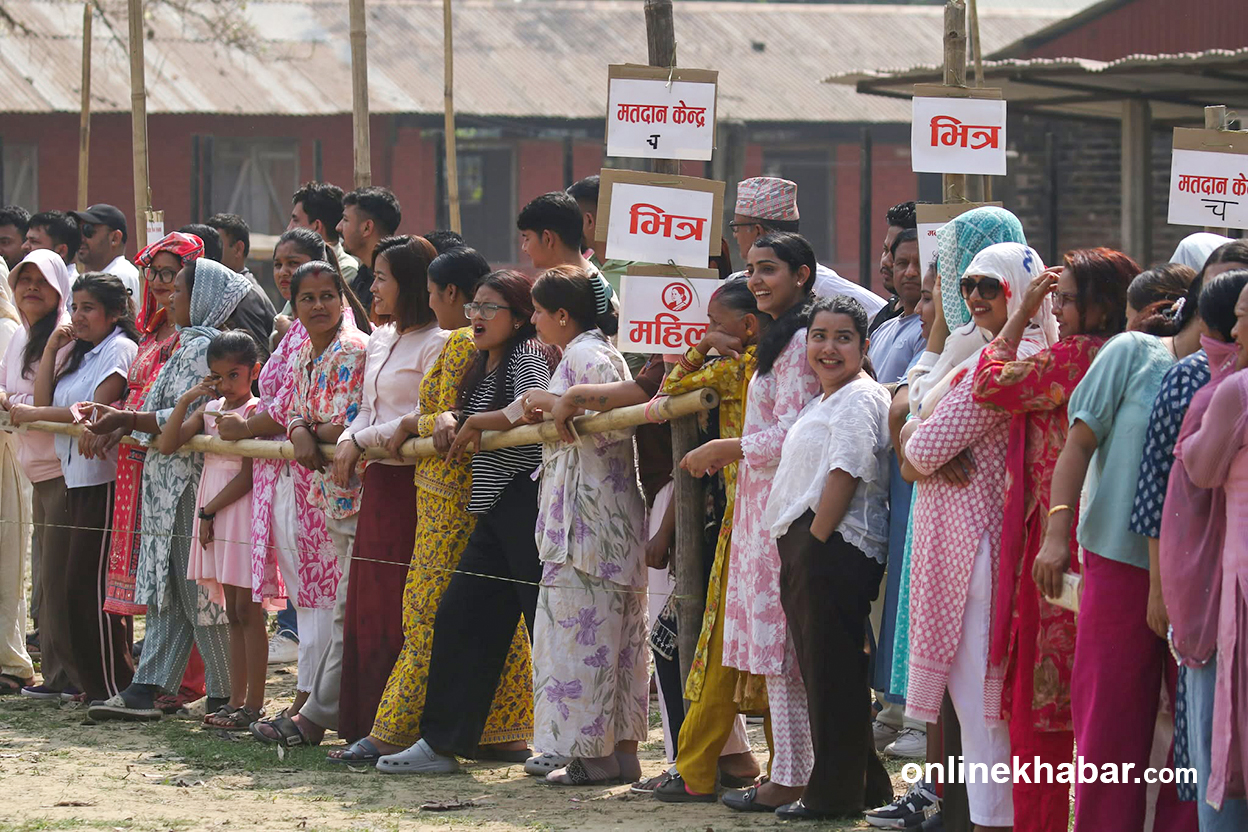
Amid all the chaos, one thing has become clear- Nepal must go to the election. The bigger question now is not if but how—what kind of political order will emerge, and who will lead it?
Gen-Z protests: Voice of a frustrated generation
Young people around the world are challenging politics from Sri Lanka to Bangladesh; they are demanding accountability and space in decision-making. Nepal is no different. The protests started after a temporary social media ban, layered on years of frustration with corruption and slow political reforms.
What made these protests stand out was their energy, but also their risks. School children in uniform joined, raising ethical and legal questions, as Nepali law forbids children from participating in political activity. Were they manipulated, or were they genuinely expressing frustration? The truth may never be fully known.
When the protesters entered restricted zones, things turned violent. Lives were lost. Initially, security forces were restrained, but later actions were widely criticised as excessive. The attacks on state institutions-the legislature, judiciary, and executive showed that this was more than a protest.
The populism factor
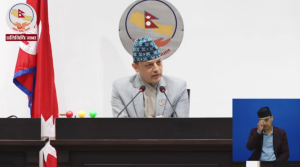
Even before the protests, Nepal’s political landscape was shifting. New actors were emerging. The Rastriya Swatantra Party (RSP), led by Rabi Lamichhane, and independent figures like Kathmandu Mayor Balendra (Balen) Shah and Dharan Mayor Harka Sampang had started capturing public imagination.
Globally, populism thrives in moments like this. Leaders such as Donald Trump or Volodymyr Zelenskyy show that people respond to authenticity and decisive action, even if the leader lacks traditional experience. Yet scholars caution about its dangers. As political theorist Jan‑Werner Müller notes- “The danger to democracies today is not some comprehensive ideology that systematically denies democratic ideals. The danger is populism—a degraded form of democracy that promises to make good on democracy’s highest ideals.”
Nepal’s youth-heavy electorate seems to favour this same style; direct, hands-on leadership rather than long-established party hierarchies. For old parties, this is an existential challenge.
The southern neighbour and political perceptions
The protests and political shifts have also drawn attention to Nepal’s southern neighbour. Officially, non-interference is emphasised, but public perception is different. Many observers believe the popularity of Kathmandu Mayor Balendra (Balen) Shah and the organisational strength of the Rastriya Swatantra Party (RSP) have grown in ways that may align with external interests.
Balen’s rising projection against CPN-UML chair KP Sharma Oli is especially symbolic. Many view this as a backlash against Oli’s nationalist stance, most visibly reflected in the publication of Nepal’s new political map and, for some, even as an attempt to curtail his political trajectory.
Interestingly, Balen, who earlier downplayed his connections with Madhesh, is now increasingly presenting himself as a dhartiputra of Madhesh, mobilising Madheshi political sentiment. This rapid shift, along with his projection as a potential prime ministerial candidate, has raised questions about how organic this political transformation truly is. Public debate increasingly points to the possible role of the southern neighbour in facilitating this alignment. Whether organic or encouraged, this shift has undeniably fueled political speculation.
As political commentator C.K. Lal cautions, “Populism in Nepal risks replacing institutions with personalities, making the state more vulnerable to external influence.” In Nepal’s fragile democracy, perception alone is already shaping voter behaviour.
Gender, inclusion, and the risks of populism
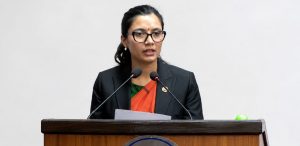
Populism often comes at a cost. Globally, it tends to sideline gender equality, proportional representation, and minority rights and Nepal is no exception. Current federal election data shows male candidates outnumber female candidates nearly eight to one.
From a feminist perspective, this imbalance is not accidental. As feminist political theorist Anne Phillips argues, “When politics is reduced to personality and charisma, women are the first to be pushed out.” Populist politics, which often glorifies strong, individual leaders, tends to marginalise collective struggles for equality and representation.
This trend threatens hard-won constitutional gains. If elections prioritise popularity over institutions and safeguards, Nepal risks undoing years of progress in federalism, inclusion, and representative democracy—progress achieved largely through sustained feminist and social justice movements rather than populist appeal.
Conclusion
Nepal’s elections are more than a contest between old and new parties. They are a test: will democratic change strengthen institutions, or weaken them? Old parties are regrouping. New forces are mobilising. Young voters are energised. Regional geopolitics looms large. Something is cooking in Nepal’s politics, but whether it strengthens democracy depends on leadership.
The new generation of leaders is energetic and popular, but many lack parliamentary experience. Can young leaders without legislative or executive experience navigate complex geopolitics, manage relations with neighbouring powers, and safeguard national interests?
In a parliamentary democracy, a prime minister without parliamentary experience faces extraordinary challenges balancing governance and diplomacy.
Yet this is also an opportunity. Nepal can embrace political change without sacrificing democratic substance. Federalism, proportional representation, gender equality, and inclusion must remain intact. History shows that populist waves often erode these very pillars first.
The real test is not just who comes to power, but whether Nepal’s democracy emerges stronger, inclusive, accountable, and resilient or louder, flashier, and fragile. Leadership, maturity, and respect for institutions will determine if the country can navigate these turbulent times and transform unrest into constructive change.