Kathmandu, September 9
The CPN-UML has described the events of September 8 and 9, 2025, as a “serious attack” on Nepal’s democracy, national economy and foundations of the state.
Issuing a statement on Wednesday, a year after the destructive events of September 9, the UML paid tribute to young people who were killed in police firing during the Gen Z protests on September 8, as well as police personnel killed while performing their duties.
The party wished those injured in the protests a speedy recovery and expressed solidarity with political and social figures and businesspeople involved in rebuilding after the destruction.
The UML said it was natural for citizens in a democracy to present their demands, grievances and expectations to the government. It noted that the Constitution guarantees freedom of speech and expression, peaceful assembly and the right to protest.
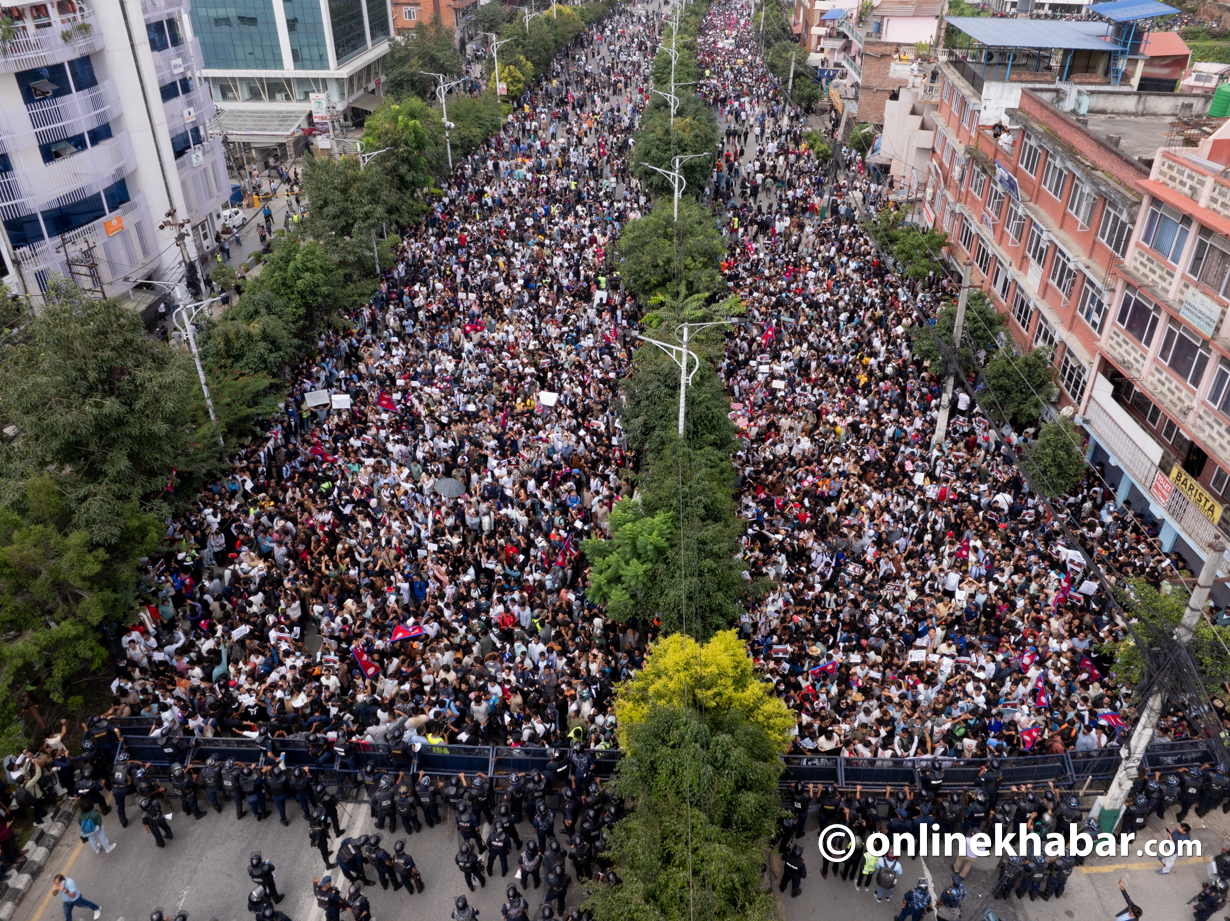
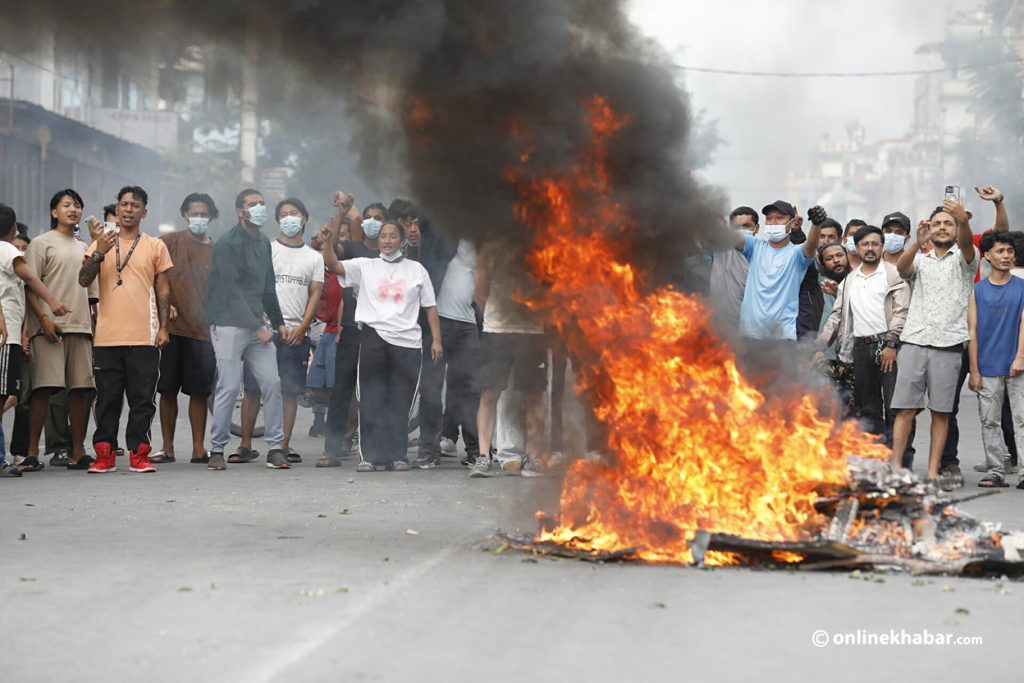
However, the party alleged that criminal groups infiltrated a peaceful youth demonstration on September 9, which was organised around demands including unrestricted access to social media and good governance, and turned it into an “uncontrolled, anarchic and violent” protest.
According to the UML, organisers had obtained permission for a peaceful demonstration and later announced that the programme had been suspended after the situation became chaotic. The party alleged that infiltrators then used young protesters as “human shields” and encouraged them to attack the federal parliament building.
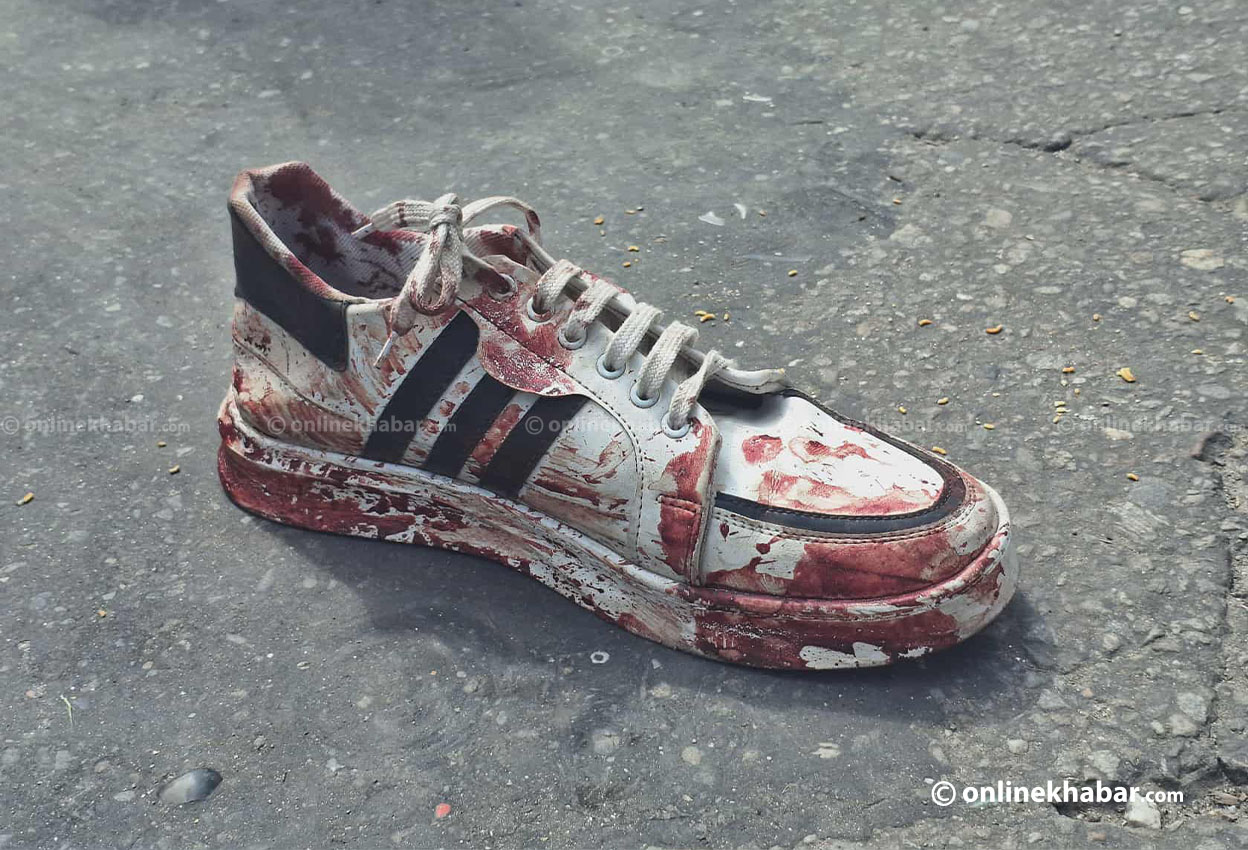
The party said 19 young people were killed during police use of force to control the crowd.
The UML also recalled that the Cabinet subsequently decided to form a judicial commission to investigate the incident, lift the temporary restriction on social media, provide free treatment to the injured and compensate victims’ families. The then Home Minister also resigned, taking moral responsibility for the incident, it said.
The party has sharply criticised the events of September 9, when the Presidential Office, Prime Minister’s residence, Singha Durbar, Parliament building, Supreme Court, political party offices, monuments and public and private property were set on fire or vandalised.
Calling the destruction a planned attack on democracy, the UML said the events could not simply be attributed to anger over the deaths of young protesters the previous day.
“The tragedy of September 9 was not merely an expression of emotion or anger triggered by the deaths of young people the previous day,” the UML said. “It was the manifestation of a dangerous plan to reverse the progressive course of nationalism, democracy and the Constitution and push the country into authoritarianism, anarchy and geopolitical conflict.”
The UML called for a thorough investigation into how a demonstration that had been approved as peaceful became violent and who was responsible.
It also accused authorities of attempting to arrest and prosecute the then prime minister and home minister on what it called false allegations and political grounds.
The party said the report concerning the events and the role of security agencies had been kept secret. It further alleged that those accused of the September 9 destruction had been given impunity and that investigations and prosecution processes against them had been halted.
“This has institutionalised the criminalisation of politics,” the UML said.
The party also questioned why security agencies had failed to prevent attacks on major state institutions and symbols of democracy.
“It is necessary to find an appropriate answer to questions being raised in society over whether this was due to a lack of professional capacity or questions of integrity,” the statement said.
The UML warned against accepting violence and anarchy as instruments of democratic change, calling for an end to impunity and urging citizens to reject violence and anarchy.
It said changes of government must take place through the constitutional process and that political problems in a democracy must be resolved peacefully.
The party also sought to distinguish the Gen Z movement from the violence and destruction that followed.
“We are convinced that the concerns, expectations and intentions of the young generation were genuine,” the UML said. “Young people were not involved in the violence and destruction carried out in the name of the Gen Z revolt. Other forces benefited from it.”
The party said the role of those “beneficiaries” had contributed to growing frustration among young people.
The UML further claimed that efforts to undermine democratic institutions and constitutional structures had intensified since last year’s events. It said attacks on political parties and leaders associated with Nepal’s democratic movement, as well as on the presidency, parliament, judiciary, civil society and other pillars of democracy, were pushing the country towards a “regressive and undemocratic” path.
The party also said the economy had struggled to recover from the destruction and that business confidence had fallen sharply, while social harmony and tolerance were being weakened and the risk of Nepal being drawn into geopolitical conflict was increasing.
The UML called on “patriotic, democratic, progressive and leftist forces and individuals” to work together to protect democracy, the Constitution, national interests, sovereignty and peace.