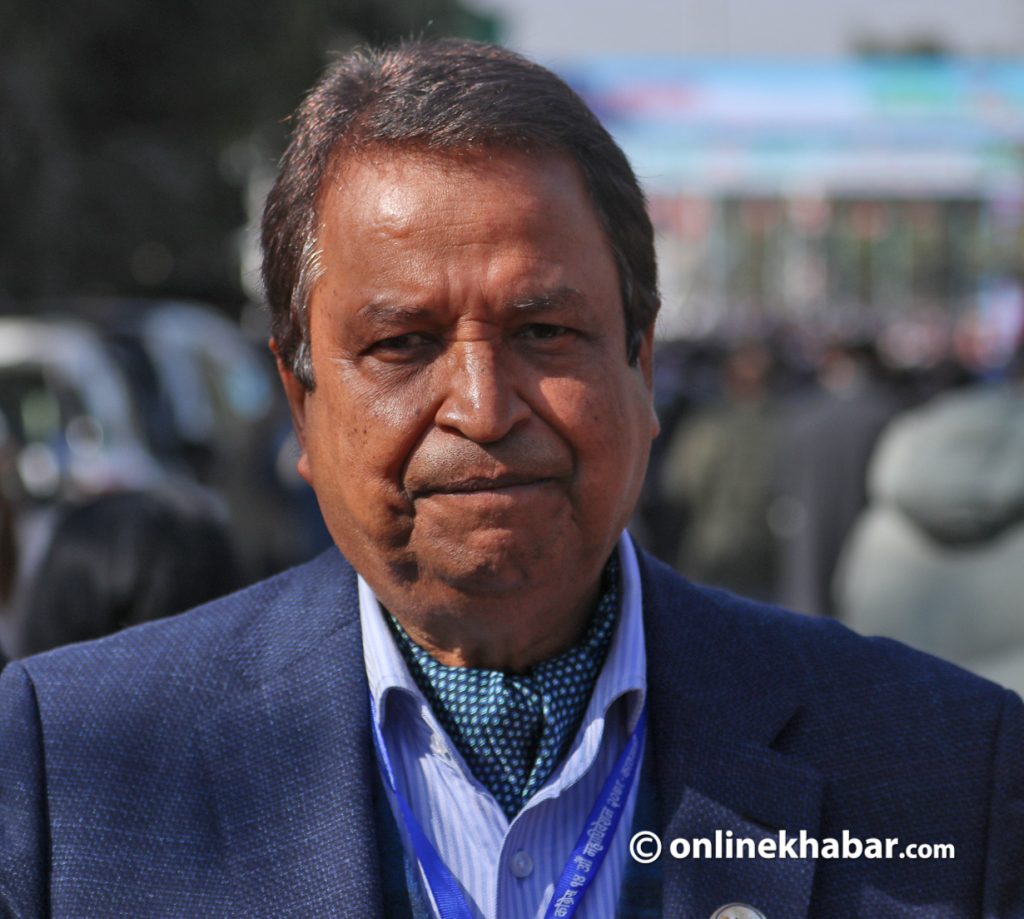

The newly formed Balendra Shah-led government released 100 governance reform agendas on Friday (March 27). These agendas cover a range of sectors, including economics, agriculture, health, and education, among others.
Among them, a proposal to ban politically affiliated student unions and replace them with student councils or a “voice of students” mechanism has drawn significant attention.
The decision has received mixed reviews.
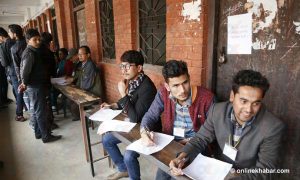
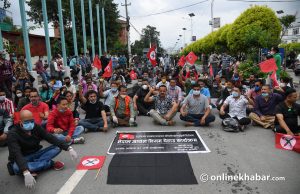
Student unions in Nepal have often drawn criticism for being politically driven. Instead of raising their voices on student issues, they are often involved in defending their parties or leaders and in creating violence inside and outside universities.
Student unions exist not only in Nepal but also abroad; however, their approach differs.
Oxford union system
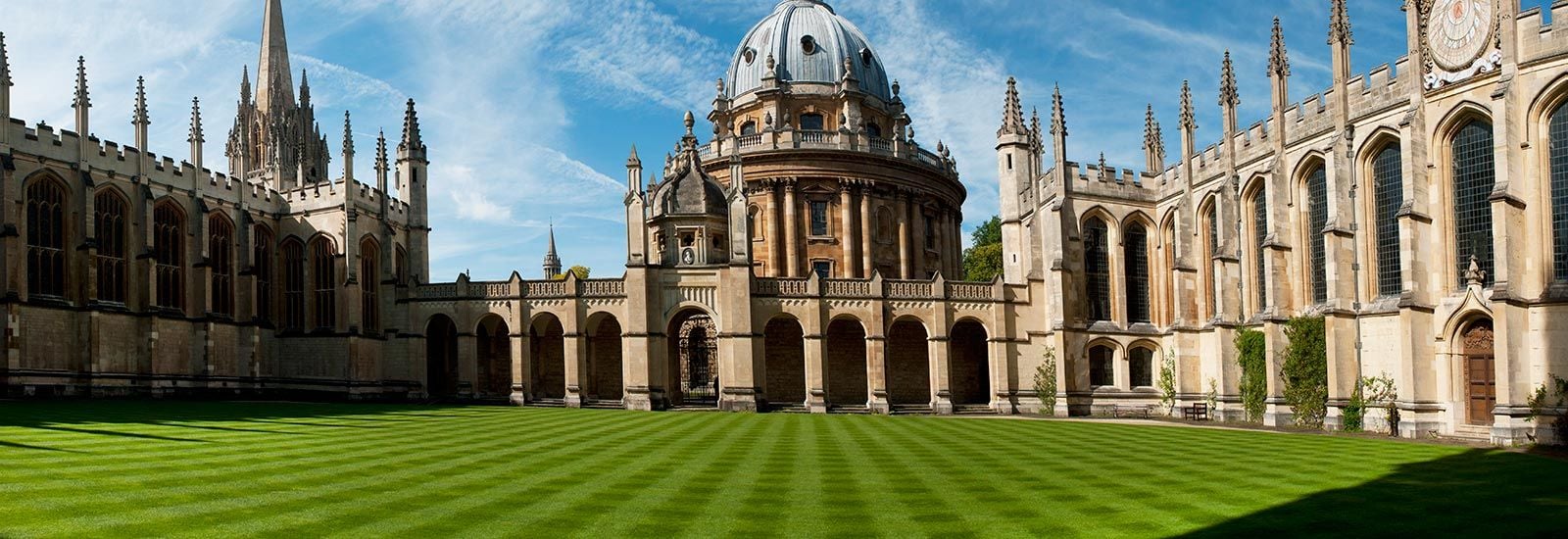
Oxford University, the UK, has the Oxford University Student Union, which runs campaigns through Representative Committees (RepComs) for various student communities, advocates to university bodies such as the Council, funds student activities, and organises events. College common rooms handle local issues, feeding into the SU’s university-wide coordination.
Prakriti Bhattarai, an Oxford graduate, says that student unions at Oxford University are not affiliated with political parties but are formed on the basis of ideologies. None of the unions supports or endorse any political party. For instance, there is a Green Party Group at Oxford University; however, it is not formally affiliated with the party. These unions actively host programmes and discussions within the university and are not funded by political parties.
“The unions at Oxford largely host lectures and discussions on political ideologies, something I really liked,” says Bhattarai. “Unlike in Nepal, members of student unions are not involved in activities that would hamper classroom learning.”
Similarly, she adds that these unions assist any student who seeks their help in times of difficulty.
MIT nonpartisan model
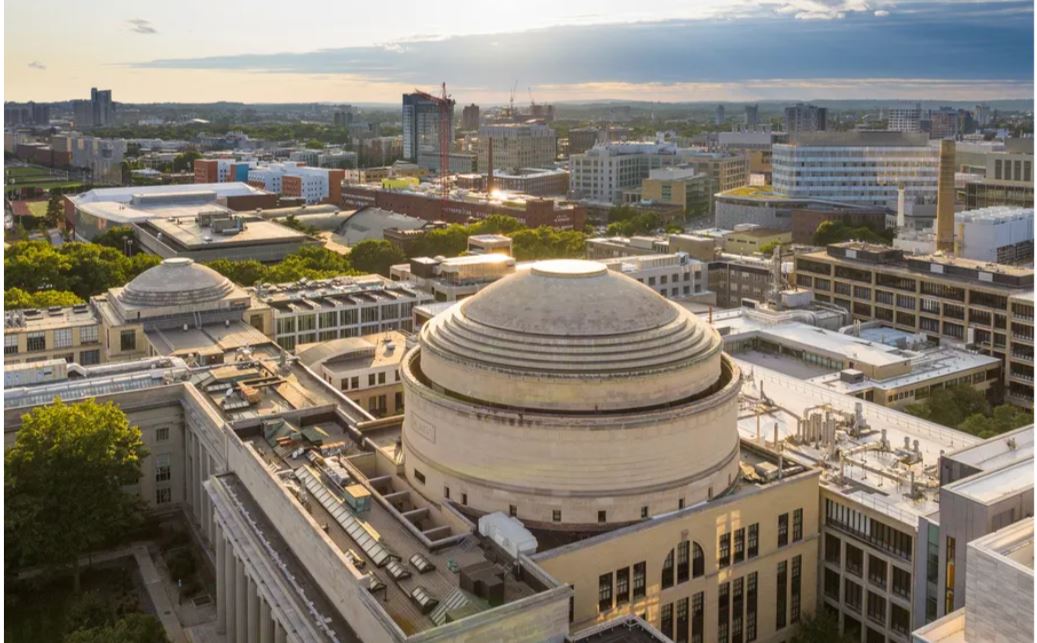
A similar model of non-partisan student representation can be seen in the United States.
At Massachusetts Institute of Technology (MIT), the USA, there are separate representative bodies for undergraduates and graduate students, known as the Undergraduate Association and the Graduate Student Council (GSC), respectively.
The core purpose of the Undergraduate Association is to represent and advocate for the interests of all undergraduates. Its key roles include forming policy positions on issues such as housing, dining, academics, and student life, and communicating these to MIT administration and committees. It also allocates student funds, approves budgets for student-run organisations and activities, plans and supports undergraduate events and programs, and acts as a formal channel between students and the Institute.
The Graduate Student Council is tasked with representing the general welfare and experience of graduate students at MIT. Its key roles include representing graduate students on matters related to their welfare, such as housing, professional development, and campus services; supporting and promoting graduate-student extracurricular activities and community-building events; welcoming and orienting new graduate students; informing them about available resources; and providing a formal channel for the graduate-student body to communicate with the Institute.
According to MIT graduate Hem Chaudhary, the student body at MIT is free from political interference.
“They provide assistance to students on matters of mental health, well-being, and various issues that a student may face at the university,” says Chaudhary.
He further says that, besides the councils, there are also different clubs in the university that work in specific sectors such as climate, culture, and others.
“These clubs sometimes stage protests, but they do not disrupt classes or create violence in the university,” says Chaudhary.
Ohio senate system
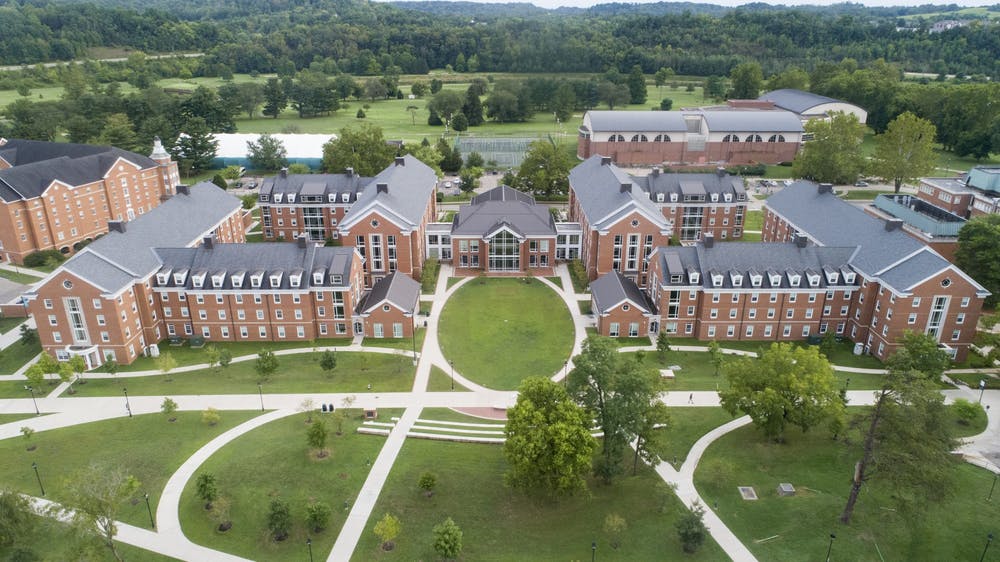
Prakash Acharya, a PhD candidate in journalism at Ohio University, USA, and a former assistant professor at Tribhuvan University, views the government’s decision to ban student unions as a positive step, arguing that these unions are highly politically motivated.
He says the purpose and roles of student bodies in Nepal and at his university in the USA are entirely different.
According to him, Ohio University mainly has two student bodies: the Undergraduate Senate and the Graduate Senate. The leadership of both senates is elected. Unlike in Nepal, these bodies are non-political. The senates are recognised by the university and actively participate in policymaking of the university. Similarly, there are cultural organisations dedicated to specific countries, languages, and sports. For instance, there is a cultural organisation of Nepali students known as the Nepali Student Association (NEPSA). However, these organisations do not hold influence in the university’s administration.
There are also student organisations affiliated with political ideologies, such as the Ohio University Republican Club and the Ohio University Democratic Club. However, they exist primarily as a form of freedom of expression. They do not influence university policymaking. Unlike in Nepal, they do not receive funding from the university, nor are they involved in creating violence or disturbances.
“In my three years of experience at this university, I haven’t witnessed any kind of violence or disturbance created by any student body,” says Acharya.
Acharya also recalls several programmes conducted at Ohio University by the Undergraduate Senate—initiatives he believes students in Nepal could learn from.
At Ohio University, the Graduate Senate annually hosts a conference that invites paper submissions. Acharya has been regularly participating for the past three years, presenting his research. Along with students, professors also take part in the conference to present papers, and the event includes peer review sessions.
“Participating in such conferences has notably helped in my academic growth,” says Acharya.
Another initiative that has inspired Acharya is that, through the efforts of the Undergraduate Senate, the university has recently decided to cover 75 percent of students’ insurance. Previously, the university covered 50 percent.
Harvard dual system
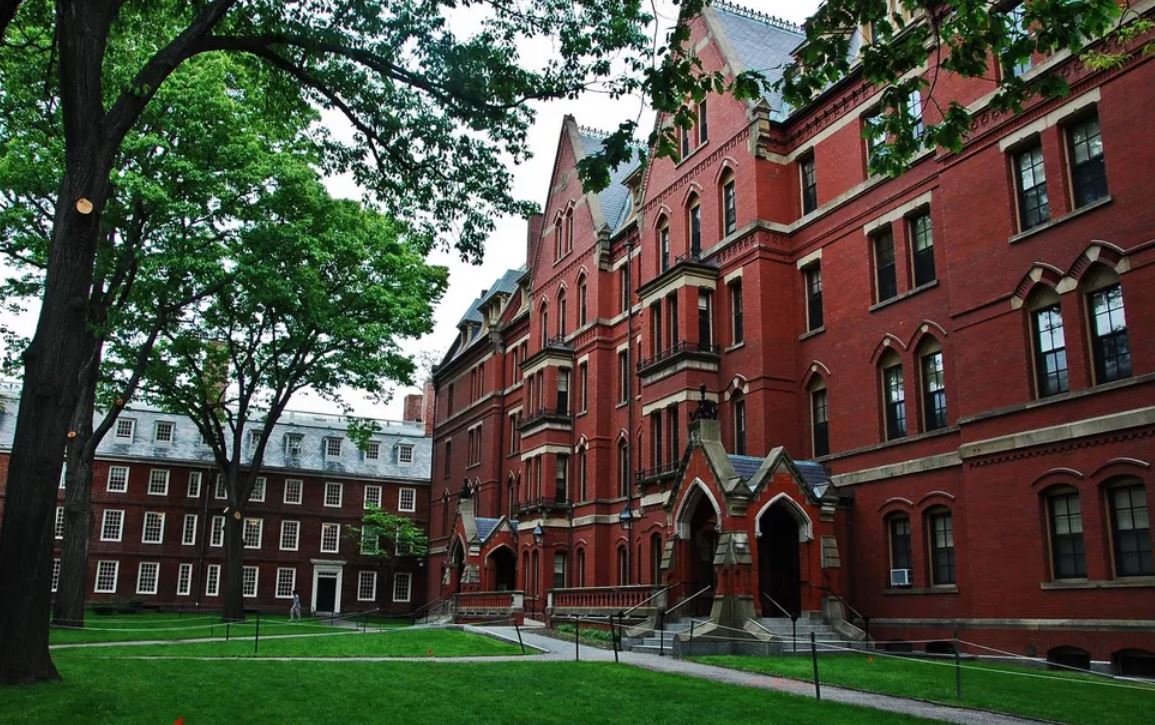
In regard to Harvard University, the USA, the student government is split into different bodies depending on whether you are an undergraduate or graduate student, and which specific school you attend.
The Harvard Undergraduate Association (HUA) serves as the primary student government for Harvard College undergraduates, focusing on advocacy, action-oriented change, and improving student life.
The HUA oversees areas like finance, social life, academics, residential life, well-being, extracurriculars, and sports.
HUA offers semesterly grants to eligible student organisations recognised by the Dean of Students Office, covering event expenses and general operational costs as outlined in their Finance Guidelines. These include funding for initiatives that enhance undergraduate community life, with additional specialised grants like those for large social events expecting 500+ attendees, which also provide advertising support.
The Harvard Graduate Council (HGC) is Harvard University’s centralised student government for all twelve graduate and professional schools. HGC promotes the “One Harvard” initiative to connect the graduate schools through collaboration, joint advocacy, and social events, bridging physical and cultural divides.
UNSW representation model
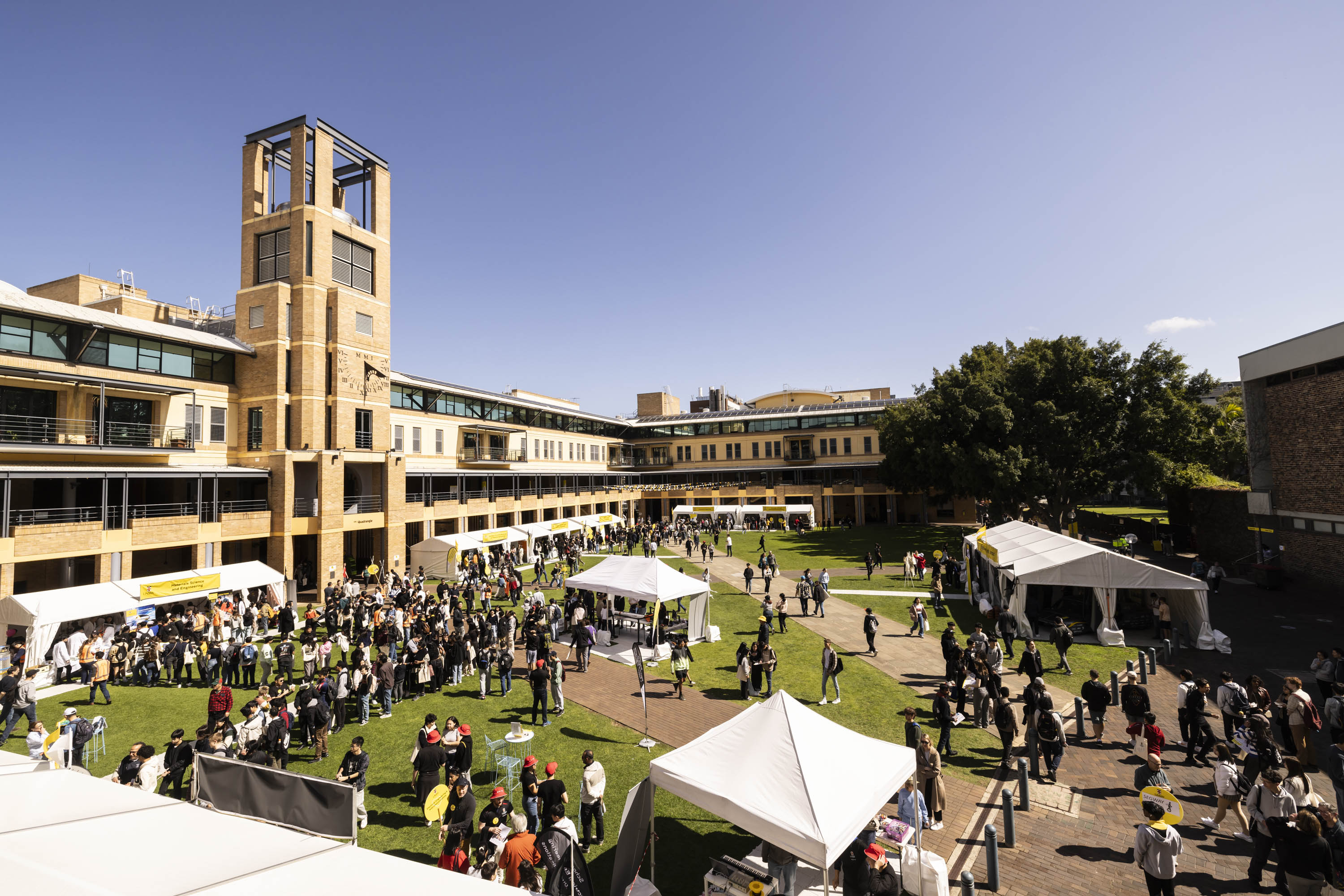
Australia-based University of New South Wales (UNSW) has a Student Representative Council (SRC) that advocates for better education quality, runs campaigns on student rights, and supports diverse groups through departments such as education, environment, and welfare collectives. The SRC is also a non-political body.
Sushma Sapkota, a PhD scholar at UNSW, says that the council frequently holds meetings with students to understand the issues they face and makes efforts to address them.
“They also refer students for grants if they are in need,” says Sapkota. “The council has a direct role in policymaking within the university.”
The council hosts events such as International Night Markets, migration seminars, IELTS workshops, and self-defence classes to support international students. Currently, it is running projects such as the Universal Short Extension and the Clothing Donation Bill. The Universal Short Extension is an automatic process that allows students to extend assessment deadlines by a few days, typically three, without needing documentation.
The Clothing Donation Bill promotes mutual aid by collecting excess clothing during the term and redistributing it, addressing sustainability concerns in fast fashion while fostering community building and broader wealth redistribution.
Sapkota adds that council members are not involved in any activities that would hamper the university’s learning environment.
“In the cost-of-living crisis, providing free clothing is a way the SRC seeks to strengthen student welfare initiatives,” the SRC states.
Student representation matters
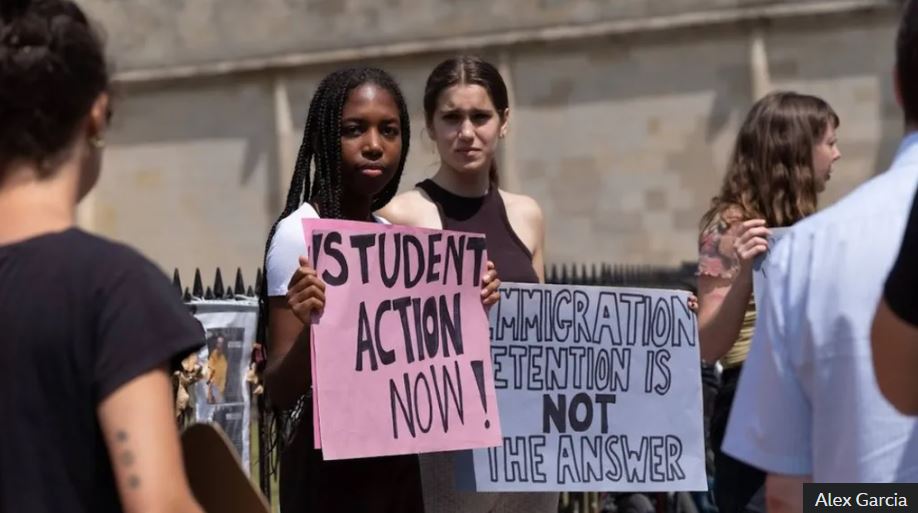
For Bhattarai, the government’s decision to ban politically affiliated student unions is positive; however, she is concerned that universities should not restrict lectures, discussions, and activities related to political ideologies and activities.
“Universities are important spaces where such discussions should take place,” Bhattarai says.
Chaudhary echoes Bhattarai.
Acharya is also positive about the government’s decision to ban politically affiliated student unions; however, he sees the need for an independent student body in universities.
“There should be a student body, but it should be detached from politics. There should be a mechanism to raise students’ issues,” says Acharya.
The experiences of these universities suggest that while student representation remains essential, its effectiveness depends on its independence from partisan politics.