
Kathmandu, August 18
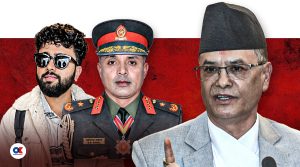
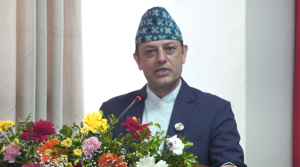
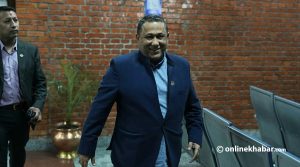
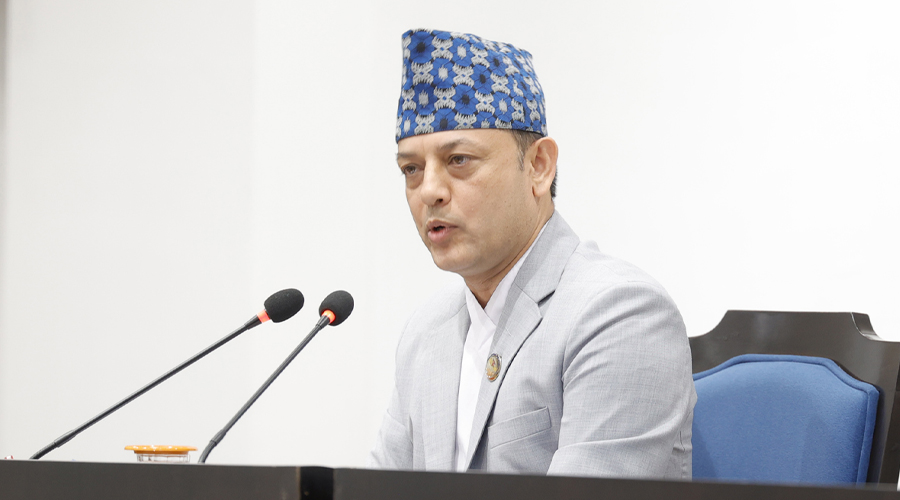
Speaker DP Aryal has stepped up pressure on the government, directing Prime Minister Balendra Shah to appear in Parliament and answer lawmakers’ questions.
Aryal’s latest move comes after months of criticism from opposition parties that he had failed to make the government accountable to Parliament and had appeared too accommodating toward the ruling side.
On Monday, Aryal issued three important rulings.
First, he directed Prime Minister Shah to attend the House and answer lawmakers’ questions under the provisions of the House of Representatives Regulations.
Second, he instructed the concerned minister to respond within three days to questions raised in Parliament regarding the Jajarkot earthquake-affected areas.
Third, he gave the concerned minister three days to inform Parliament about efforts to bring back the body of Santosh Rai of Dhading from Cambodia.
The ruling on the prime minister’s appearance is particularly significant. Opposition parties had been obstructing Parliament for 78 days, demanding that Shah answer questions over his remarks concerning Nepal-India border issues.
The dispute began after Shah, while addressing Parliament on May 31, said Nepal had also encroached on Indian territory in several places. Opposition lawmakers demanded evidence and sought clarification from the prime minister.
However, Shah did not return to Parliament to address the issue, while the opposition continued its protest throughout the Nepali months of Jestha, Ashadh and Shrawan.
The Speaker had repeatedly faced criticism for failing to bring the prime minister to Parliament despite assuring opposition lawmakers that he would do so.
Speaker DP Aryal, who was elected to Parliament from the Rastriya Swatantra Party (RSP), was also accused of becoming a “helpless shadow” of the powerful government.
But his approach appears to have changed as Parliament entered its fifth month.
Aryal on Monday ruled that the prime minister must appear in the House and answer lawmakers’ questions under Rules 56, 57, 58, 59 and 60 of the House of Representatives Regulations, 2083.
He has also fixed August 26 for a direct question-and-answer session with the prime minister.
Government told to answer questions raised in ‘zero hour’
Speaker DP Aryal also sought to address another longstanding complaint of lawmakers: that issues raised during the zero hour were being ignored by the government.
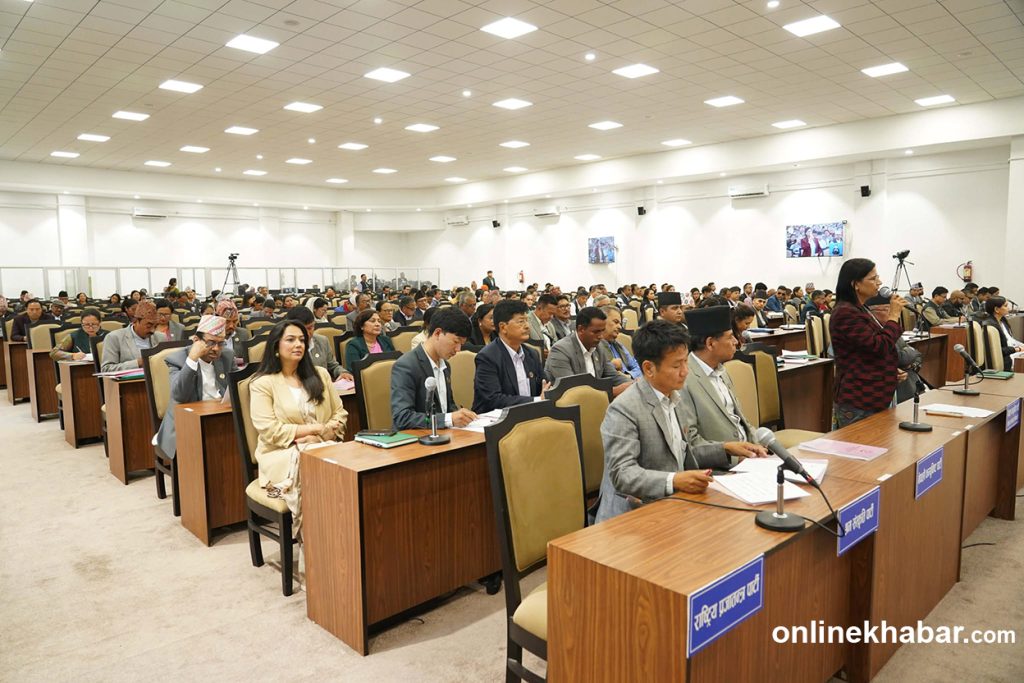
On August 7, Nepali Communist Party lawmaker Gopal Sharma had raised concerns about the situation in the Jajarkot and Salyan areas affected by the earthquake. He had given the government nine days to provide answers but said no response had been received.
Sharma later demanded that the Speaker set a deadline for the government to respond, warning that he would otherwise be forced to protest in the House.
RSP lawmaker Ashika Tamang also raised the issue of bringing the body of Dhading resident Santosh Rai back from Cambodia.
Tamang said she had raised the issue 37 days earlier but had received no response.
“I thought that once an issue was raised in the House, it would be implemented. But how long should a lawmaker keep going from ministers’ offices to secretaries’ offices with the same issue?” she asked.
She said she would continue standing in the House until the government responded.
Instead of asking the lawmakers to wait, Aryal directly instructed the government to provide answers within three days.
“Regarding the issues raised by lawmakers Gopal Sharma and Ashika Tamang, I direct the government to provide answers within three days,” he said.
Speaker DP Aryal also appeared willing to enforce parliamentary rules against members of the ruling party.
When RSP lawmaker Sulav Kharel sought time to speak under the emergency session, he began discussing local and provincial elections and praised his party for starting a candidate club.
Aryal stopped him, saying the issue did not qualify as an emergency matter and asked him to sit down.
Under the House regulations, emergency time is meant for serious developments occurring between two parliamentary meetings that require the government’s immediate attention.
But questions over the Speaker remain
Speaker DP Aryal’s tougher stance comes after he himself faced criticism over his handling of the prime minister’s controversial remarks.
On August 4, Shram Sanskriti Party chair Harka Sampang had questioned why the Speaker had not issued a ruling on Shah’s statement that Nepal had encroached on Indian territory.
Aryal had, meanwhile, made several attempts to persuade Shah to appear in Parliament.
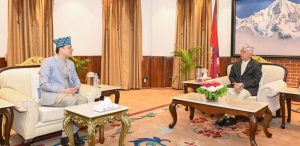
On May 21, he visited the Office of the Prime Minister and Council of Ministers to meet Shah.
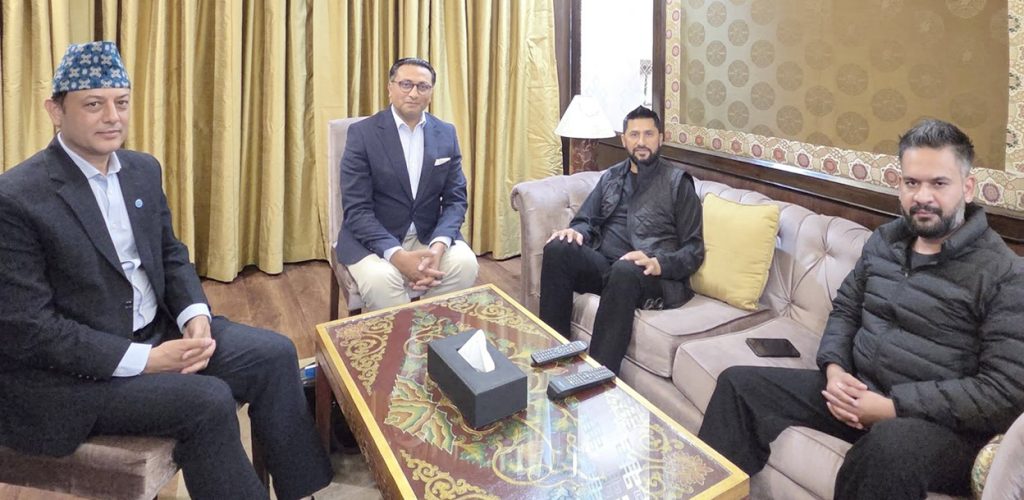
On July 14, Shah and RSP chair Rabi Lamichhane met Aryal at the Speaker’s office for around five minutes.
Aryal again met Shah on July 29 and urged him to address contemporary issues in Parliament. According to Aryal, Shah responded that he would “consider” the proposal.
On August 11, Aryal again visited the prime minister’s office and reminded Shah of his earlier commitment to consider appearing in Parliament.
After those informal efforts failed, Aryal issued a formal ruling from the parliamentary rostrum on Monday.
Some had also questioned why the Speaker repeatedly went to the prime minister’s office when the executive and legislature have separate constitutional roles.
Speaker DP Aryal has defended the visits, saying that going to meet someone does not make a person smaller.
He also held discussions with opposition leaders, including RSP chair Lamichhane.
A leader close to Aryal said the Speaker had become increasingly concerned about the way Parliament was functioning.
“Even when the RSP alone had 182 lawmakers, there were times when there were not enough members to meet the quorum to advance government bills,” the leader said. “These incidents made the Speaker realise that Parliament could not continue functioning this way.”
Former Parliament Secretariat secretary Som Bahadur Thapa welcomed Aryal’s latest moves.
“The Speaker’s role is to make Parliament organised, dignified and effective and to make the government accountable to the House,” Thapa said. “There had been questions about shortcomings in this role. The Speaker has now issued rulings. Even if it came late, it is a positive step.”
Thapa described Aryal’s change in approach as a sign that he had learned from his experience of running Parliament for four months.
Will the prime minister appear?
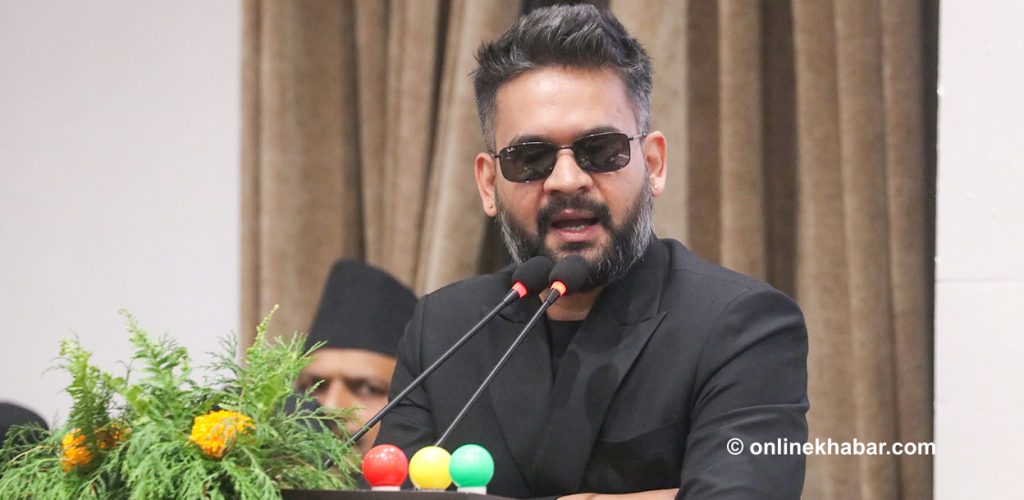
The key question now is whether Prime Minister Shah will comply with the Speaker DP Aryal’s ruling.
There is already a precedent of ministers answering questions on behalf of the prime minister.
On May 14, Finance Minister Dr Swarnim Wagle answered questions raised in Parliament regarding the government’s policies and programmes on behalf of the prime minister.
Opposition parties criticised the move as disrespectful to Parliament, while RSP lawmaker Bipin Acharya defended it as a departure from established practice.
A similar arrangement was followed during discussions on the budget, when Wagle answered questions concerning the Office of the Prime Minister and Council of Ministers.
Shah’s last appearance in the House was on July 14. He stayed for around 20 minutes before leaving, after which Law, Justice and Parliamentary Affairs Minister Sobita Gautam presented government proposals on his behalf.
The emerging practice has raised a broader question: can the prime minister remain absent from Parliament while ministers perform his parliamentary duties?
The Speaker’s latest ruling may now put that question to the test.
The prime minister has also been criticised for not maintaining the parliamentary practice of being present when opposition leaders address the House. Congress parliamentary party leader Bhishma Raj Angdembe has argued that the prime minister’s presence during an opposition leader’s address is an established parliamentary practice internationally.