

Kathmandu, September 3
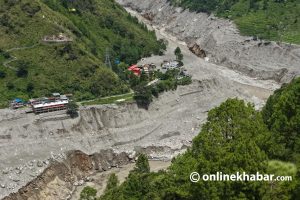
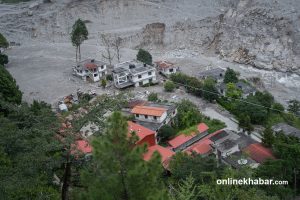
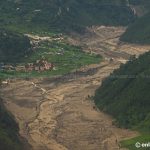
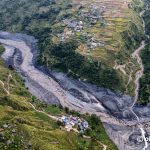
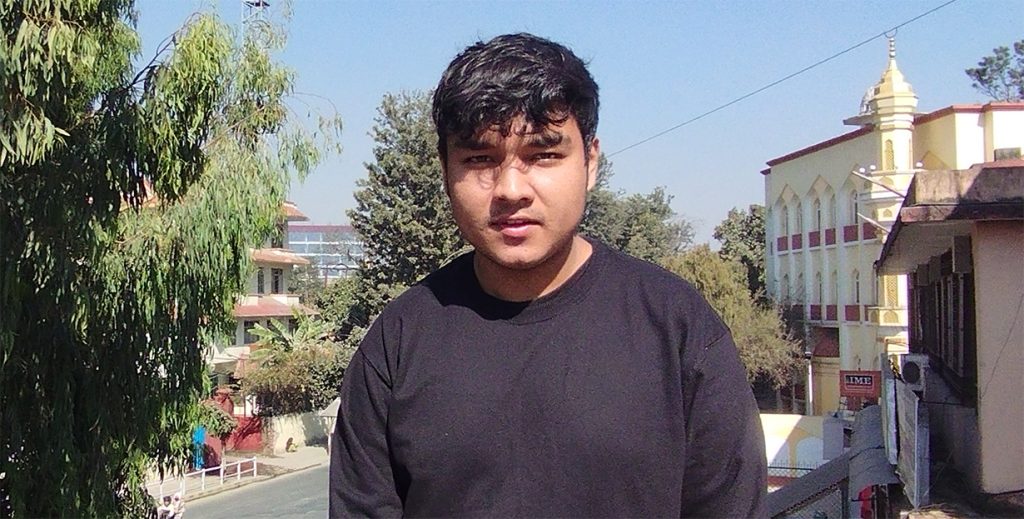
Shishir Giri, a civil engineering student at Kathmandu University, went to Rasuwa on August 13 for an internship at the Upper Trishuli 3B project. He was accompanied by fellow civil engineering students Sameer Poudel and Srishti Bastola. On August 26, when a sudden and devastating flood struck the Bhotekoshi-Trishuli area, Giri was among the thousands of citizens who went missing.
Shishir’s father, Ratna Prakash, works at the District Government Attorney’s Office in Dang. He was at work when his eldest son called that evening to tell him his younger brother was out of contact. Ratna Prakash immediately left for home and flew from Nepalgunj to Kathmandu the next morning.
After landing in Kathmandu, he tried contacting university representatives, but says he received only vague responses about going to the electricity authority or other offices. He went straight from the airport to the site, but couldn’t go past a barrack near the project area and had to wait there all day without further information. He returned to Kathmandu and began mobilising his personal network to help with the search.
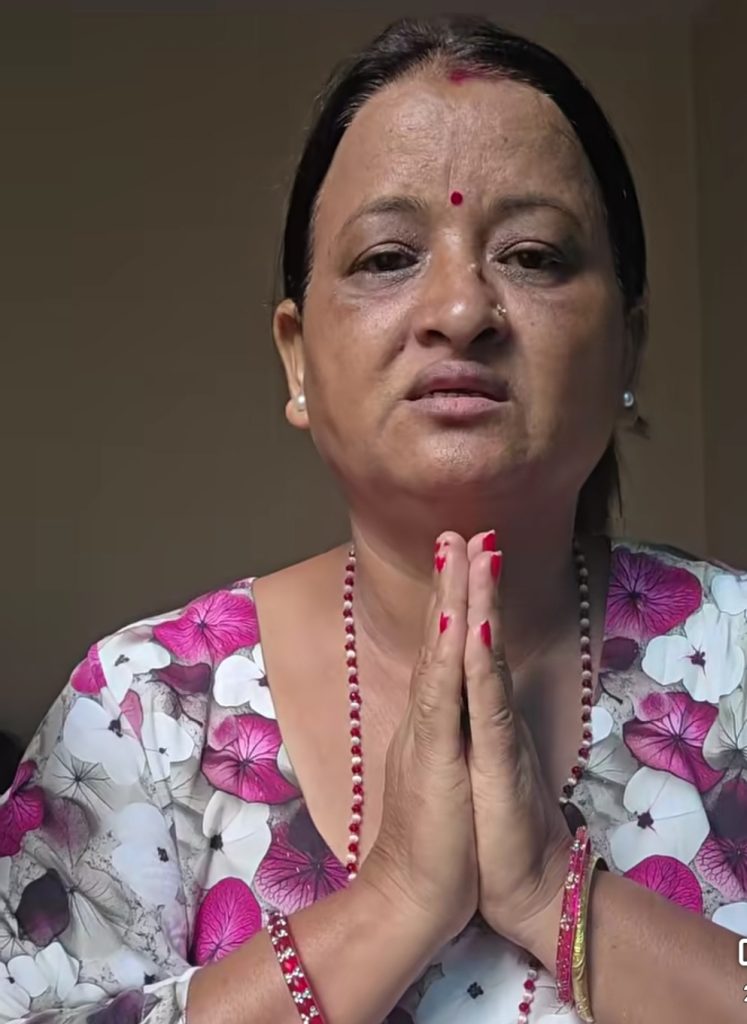
Shishir’s family has been appealing to the government for help on social media. His mother, Sushila, posted a video on Facebook saying the foundation of their life has been destroyed, and appealed to the public for help finding her son, whether alive or not, so she could see him one last time.
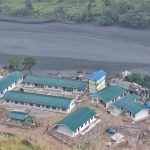
Seven days after Shishir went missing, his situation remains unknown. Location tracking initially placed him in the project’s quarter area; later email-based location records showed conflicting data, one source placing him there until around 8:30, another until slightly after 9. The last known location was near a structure called an “audit tunnel,” which the family has since learned is now buried and further down than before. Ratna Prakash also expressed doubts about the reliability of the location tracking.
He has raised serious concerns that students weren’t warned in time despite the risky conditions, arguing that young, able-bodied people could have run to safety had they been alerted before the flood hit.
His biggest criticism centers on procedural failures by the university: the family was never informed about the decision to send students to the Upper Trishuli project as interns, no insurance appears to have been arranged for such risky work, and it’s unclear whether any formal agreement existed between the university and the project authority.
He also questioned the timing: the internship was scheduled during peak monsoon season, when flood and landslide risk is naturally elevated, and small floods had already struck the area on August 7 to 13, just before the disaster. He believes sending students despite this was a mistake.
Additionally, he says there’s a mismatch between the students’ field of study and the internship placement; hydropower-related work isn’t essential for a civil engineering curriculum, and he questions why civil students were sent specifically to a hydropower site at such a dangerous time. The university, for its part, maintains that hydro engineering is part of the civil engineering course content and that the internship was in line with the curriculum.
University response
Kathmandu University formed a Search, Rescue and Coordination Committee on August 27 to coordinate search, rescue, and support efforts for missing students and others in the affected area, and to mobilize resources. The university’s aid team from Dhulikhel Hospital has been active in the flood-affected area since Bhadra 10.
Committee member Mahesh Raj Bhatta said rescue work at the project quarters resumed as of yesterday, and that the university is positioned to assist the government further, including with equipment like excavators.
Another committee member, Manish Prakash, said the internship was conducted according to the university’s academic calendar, which has been in place since 2009, and that he doesn’t take the current criticism personally given the circumstances were caused by a natural disaster.
He added that out of sensitivity to the distressed parents, the university hasn’t said much directly to them, but maintains it followed its established calendar.