

Gorkha, November 6
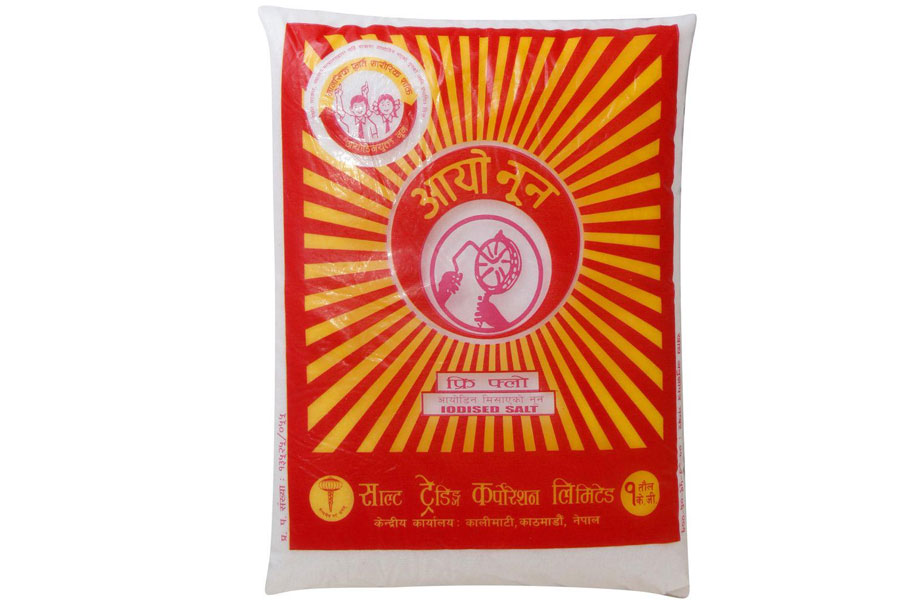
Residents of remote villages in Chumnubri Rural Municipality in northern Gorkha are paying up to Rs 200 for a packet of iodised salt, which costs just Rs 30-35 per kilogram in the regular market.
The high prices are largely attributed to the lack of road access and the expensive transportation required to carry essential goods to the settlements.
In Samagaun and Samdo, near the Tibetan border in the Manaslu region, a packet of Aayo salt costs Rs 200. Resident Nima Dorje said transporting a packet from Pangsang to Samdo alone costs Rs 100, excluding the freight charges from Arughat and Arkhet to Pangsang.
Similarly, salt costs Rs 150 per packet in Lho, Rs 100 in Bihi and between Rs 100 and Rs 170 in Prok. Residents of Chhule and Nile in the Chum Valley pay Rs 180-200, while the price is Rs 150 in Chhekampar and Rs 100 in Chumling.
Although the government provides transportation subsidies to supply salt at subsidised rates in remote Himalayan areas, the programme has not benefited all settlements.
Salt Trading Corporation’s Gandaki Province Chief Sagar Serchan said the corporation had supplied 350 quintals of Aayo salt to Sirdibas in northern Gorkha in the current fiscal year at Rs 28 per kg. The government covers transportation costs for contractors transporting salt from Pokhara to Sirdibas.
However, subsidised salt largely remains confined to the Sirdibas area. Residents of settlements farther away must rely on mules to transport goods, with freight charges reaching Rs 100 per kg in the upper Manaslu region.
Although the Nepal Army has opened road tracks in some sections, motor vehicles have reached only Pangsang. Six of the rural municipality’s seven wards, except Ward No. 3 (Sirdibas), remain beyond the road network. Road construction has also been slowed by budget shortages and uncertainty over funding.
—RSS