Kathmandu, August 26
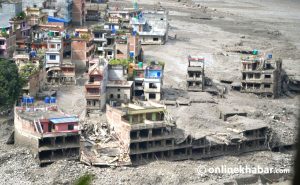
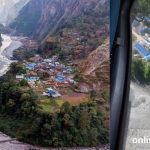
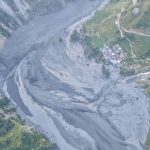
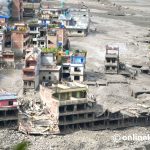
The government has stepped up search, rescue, medical response and relief operations following the massive flash flood in Rasuwa’s Bhote Koshi River that caused widespread damage across Rasuwa, Nuwakot and Dhading on Wednesday.
Here is what the government has done so far:
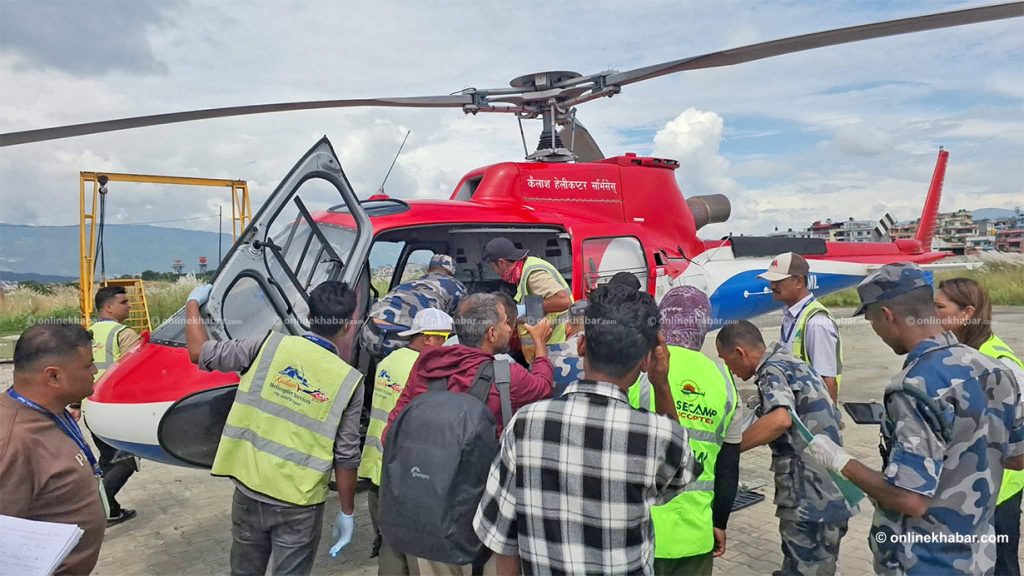
13 helicopters deployed for rescue
The government has deployed 13 helicopters, operated by the Nepal Army and private companies, for search and rescue operations in Rasuwa and Nuwakot.
Additional air and ground resources are being mobilised as needed.
Free treatment for flood victims
The government has decided to provide free medical treatment to people injured in the disaster.
Five hospitals, including Trauma Centre, Bir Hospital and Tribhuvan University Teaching Hospital, have been kept on standby to treat seriously injured victims.
A medical team comprising 15 Army doctors, 12 Nepal Police doctors and 15 Armed Police Force doctors has also been sent to Nuwakot District Hospital.
Emergency rescue system activated
The government has prioritised the search and rescue of missing and stranded people.
A toll-free number, 1234, has been set up to receive information about people who are missing, trapped or in need of immediate assistance.
Warnings issued along river corridors
Authorities have urged people living along the Bhote Koshi and Trishuli river corridors in Rasuwa, Nuwakot, Dhading, Gorkha and Chitwan to remain alert and move to safer locations where necessary.
People have also been asked to avoid travel on high-risk routes, including Galchhi, Nuwakot, Syafrubesi and the Muglin–Narayanghat road.
Emergency funds released
The government has released an additional:
- Rs 10 million to Rasuwa’s disaster management fund
- Rs 10 million to Nuwakot’s disaster management fund
- Rs 5 million to Dhading’s disaster management fund
Roads, electricity and communications to be restored
The Cabinet has directed the concerned ministries to urgently restore infrastructure damaged by the flood, including:
- Roads and bridges
- Drinking water systems
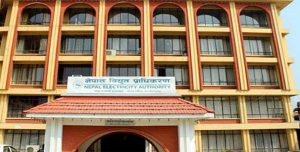
- Electricity supply
- Telecommunications services
Resources are also being coordinated for the reconstruction of damaged public infrastructure.
Shelter and relief for displaced people
People who have lost their homes are to be moved to safer locations and provided with food and shelter.
The Home Ministry, National Disaster Risk Reduction and Management Authority and local disaster management committees have been tasked with coordinating this response.
Affected areas declared disaster crisis zones
The Cabinet has decided to declare local governments in the flood-affected districts disaster crisis areas for three months under the Disaster Risk Reduction and Management Act.
Support for families of victims
Families of people killed in the disaster will receive financial assistance according to existing laws.
The government has also called on provincial governments, local authorities and organisations to support search, rescue, relief and medical operations.
Government still investigating the cause
The government has not yet established the definitive cause of the flood.
Foreign Minister Shishir Khanal told Parliament that preliminary information indicated an earthquake at around 8:37 a.m. may have triggered a landslide or avalanche, leading to the sudden flooding.
Nepal is coordinating with Chinese authorities to establish where the flood originated and what triggered it.