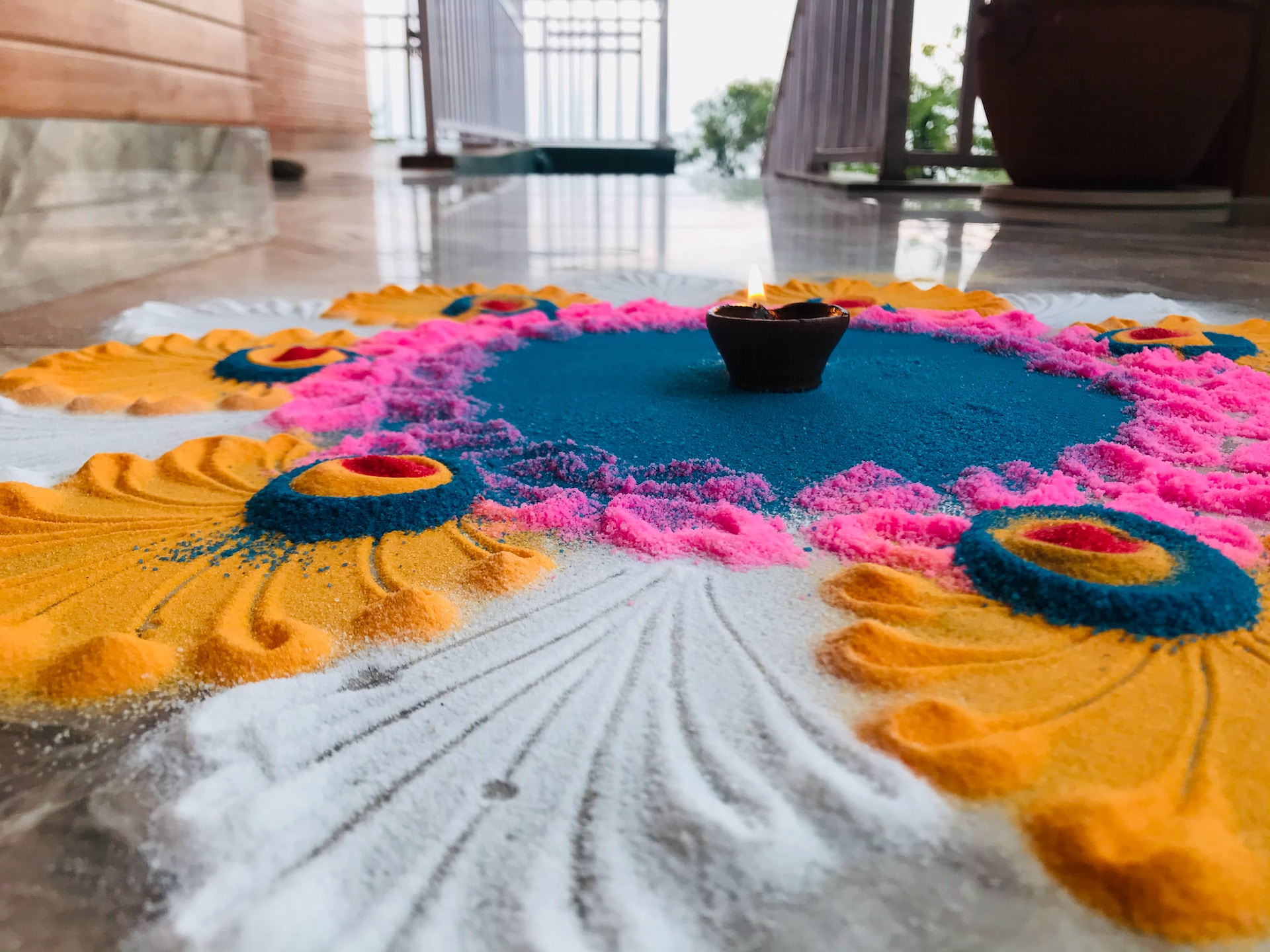
A sparkling evening during Tihar. Oil lamps glowing at the entrance, the fragrance of flowers filling the courtyard, and the melodious tunes of Deusi-Bhailo. Amid this festive atmosphere, colourful rangoli designs adorning the courtyard make Tihar even more special.
Decorating a home during Tihar is not just about lighting lamps; it is also about welcoming auspiciousness. Rangoli designs made at the main entrance or in the courtyard are considered symbols of happiness, prosperity and good fortune. This is why the tradition of making rangoli during Tihar has gradually spread from villages to cities.
Rangoli is more than just decoration. It is a blend of religious faith, cultural tradition and creative expression. From swastika patterns made with rice flour to images of various deities, rangoli comes in many forms.
Religious and cultural significance of rangoli
In our society, there is a tradition of making swastika symbols or other auspicious designs with rice flour before performing any auspicious ceremony. These designs indicate that an auspicious occasion is taking place in the home.
Rangoli is also regarded as a symbol of auspiciousness. It holds special significance in religious and spiritual ceremonies. The tradition of making rangoli during havan and yajna rituals is also associated with this belief. Rangoli is also known as alpana. Alpana is considered one of the 64 traditional arts described in Vatsyayana’s Kamasutra. It is a form of ancient folk art.
In the past, people believed that creating artistic paintings and patterns inside the home would bring wealth, prosperity and abundance. Cleaning and plastering the courtyard before making rangoli is associated with purifying the ground and invoking prosperity. Symbolically, it also represents bringing colour into life. Rangoli conveys the message that life should be made beautiful and celebratory, even though the human body is mortal.
Growing popularity of rangoli during Tihar
Tihar is a festival of lights and colours. The glow of oil lamps, the fragrance of flower garlands, the taste of sel roti and the melodies of Deusi-Bhailo create a festive atmosphere in homes and courtyards. Rangoli adds to this beauty.
In the past, the tradition of making rangoli was largely limited to urban areas. However, in recent years, the practice has also gained popularity in rural communities during Tihar. Today, people create rangoli designs at their main entrances, in courtyards and in prayer areas.
What kind of rangoli should you make during Tihar?
During Tihar, people can choose designs featuring swastika symbols, Lord Ganesh or other deities. There are numerous options, ranging from simple geometric patterns to flowers, peacocks and attractive abstract designs.
Rangoli can be made using vermilion, rice flour, coloured powders, coloured rice or flowers. Lighting an oil lamp in the centre or at the corners of a rangoli enhances its beauty. Decorating it with marigold flowers adds to the festive spirit of Tihar.
10 attractive rangoli designs
1. Traditional Rangoli
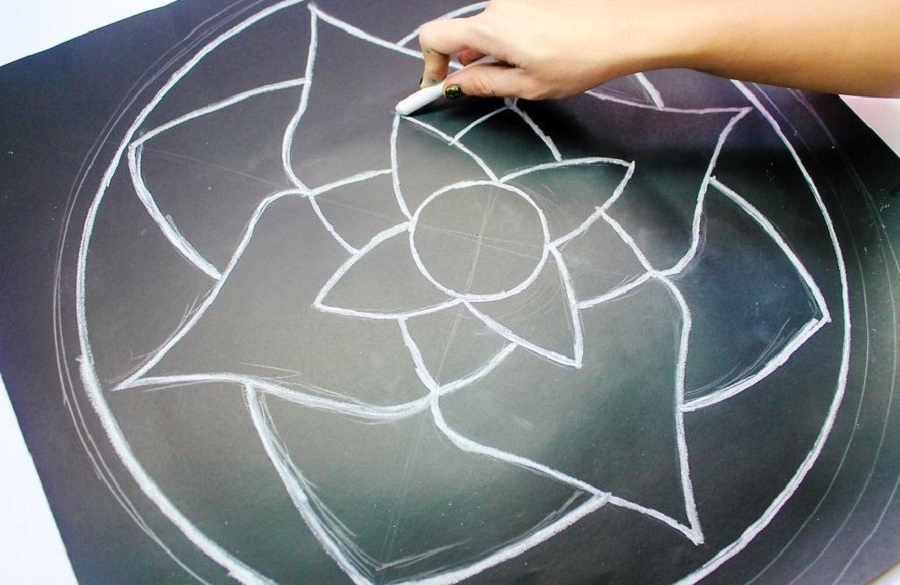
Traditional rangoli can be made using rice flour or white chalk powder. Created by combining lines and dots, this design is simple yet attractive.
Even without coloured powders, beautiful rangoli can be created using white powder alone.
2. Abstract Rangoli
If you want to create a rangoli that catches the attention of guests, an abstract design is a good option. Such designs are created by combining flowers, curved lines and different shapes using bright colours.
Large floral patterns surrounded by spreading colours make this design particularly attractive.
3. Rangoli Featuring Deities
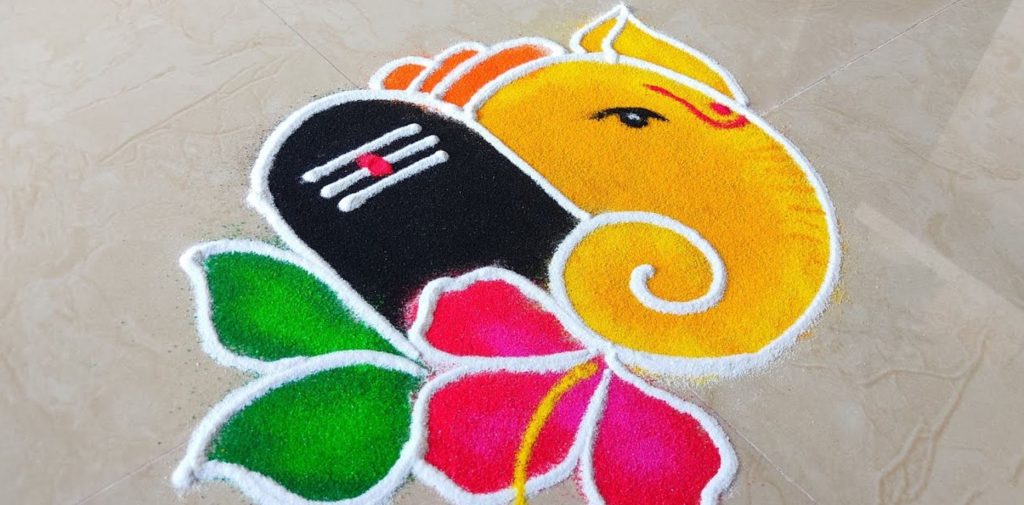
For a rangoli inspired by religious faith, you can create images of deities of your choice. Lord Ganesh is particularly popular during Tihar.
However, you can also create images of other deities according to your faith and preferences.
4. Simple Rangoli
If you do not have much time or space to make rangoli, a simple design is ideal. With the help of chalk powder or coloured powders, you can draw small flowers, circles and other basic patterns by hand.
Such designs look beautiful even in limited spaces.
5. Floral Rangoli
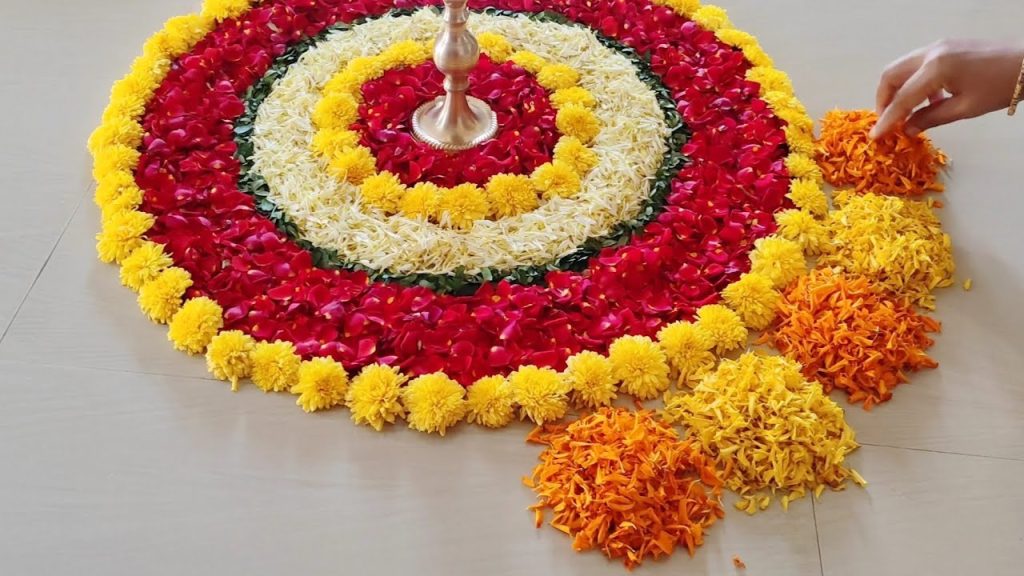
If you find it difficult to work with coloured powders, you can make rangoli using flowers. Marigolds, globe amaranths and other flowers of different colours can be used to create attractive patterns. Their natural colours and fragrance make the home and courtyard even more beautiful.
6. Geometric Rangoli
Rangoli made by combining lines, circles, triangles and other geometric shapes looks modern and attractive. Adding different colours and placing oil lamps around the design makes it even more appealing.
7. Rangoli with Beads and Decorative Stones
For a grand and distinctive rangoli, you can use beads, decorative glass beads and coloured stones. First, create a pattern and fill it with colours before decorating it with beads and stones.
Such designs add a special touch to home decoration.
8. Coloured Rice Rangoli
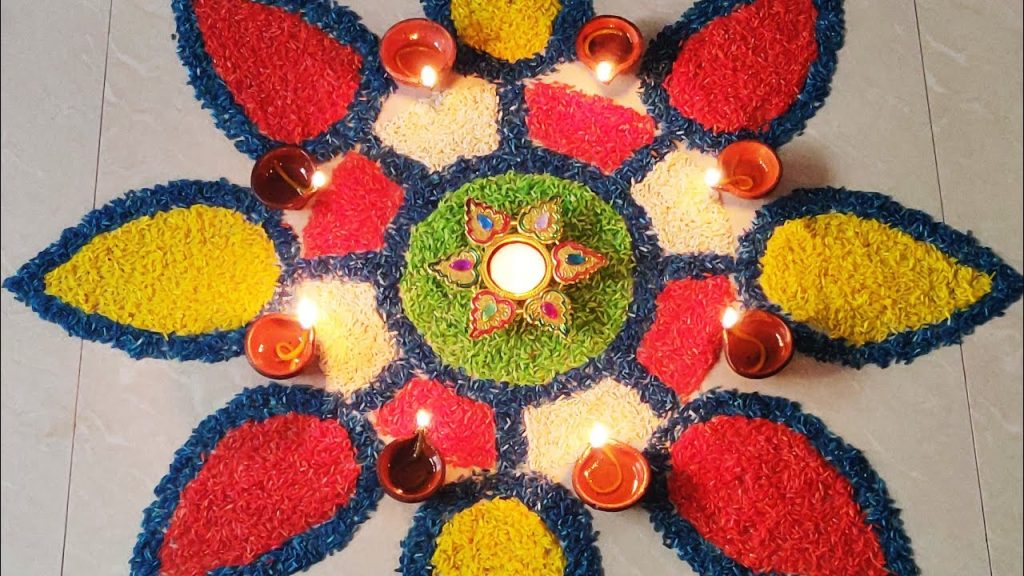
Coloured rice can be prepared by soaking rice in different colours or mixing it with coloured powders. It can then be used to create various shapes and designs. Since rice is considered auspicious, using it during Tihar carries special significance.
You can also create an image of Lord Ganesh using coloured rice.
9. Border Rangoli
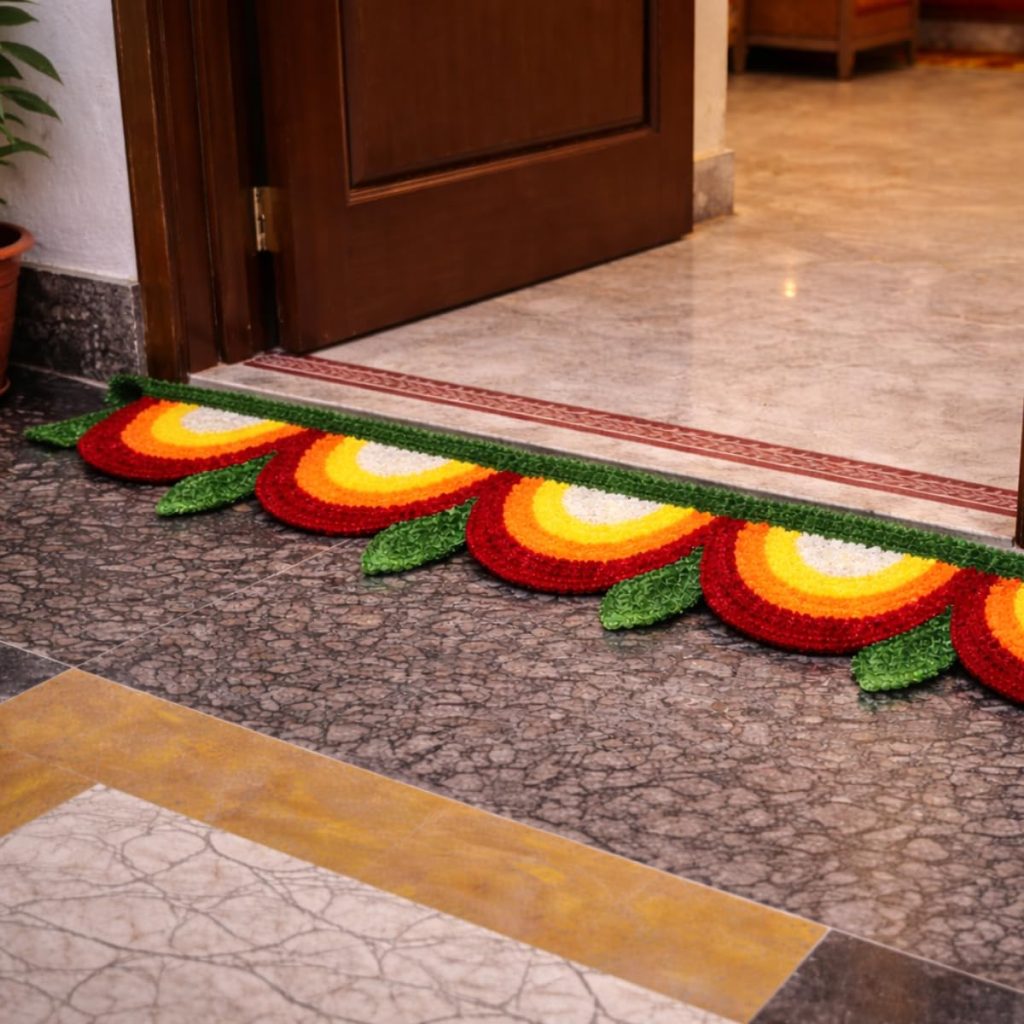
If your courtyard is small or you have limited space, border rangoli is a suitable option. You can decorate your home by creating colourful lines and floral patterns around the main entrance or along the floor.
Adding oil lamps to the design makes the festive atmosphere of Tihar even more appealing.
10. Peacock Rangoli
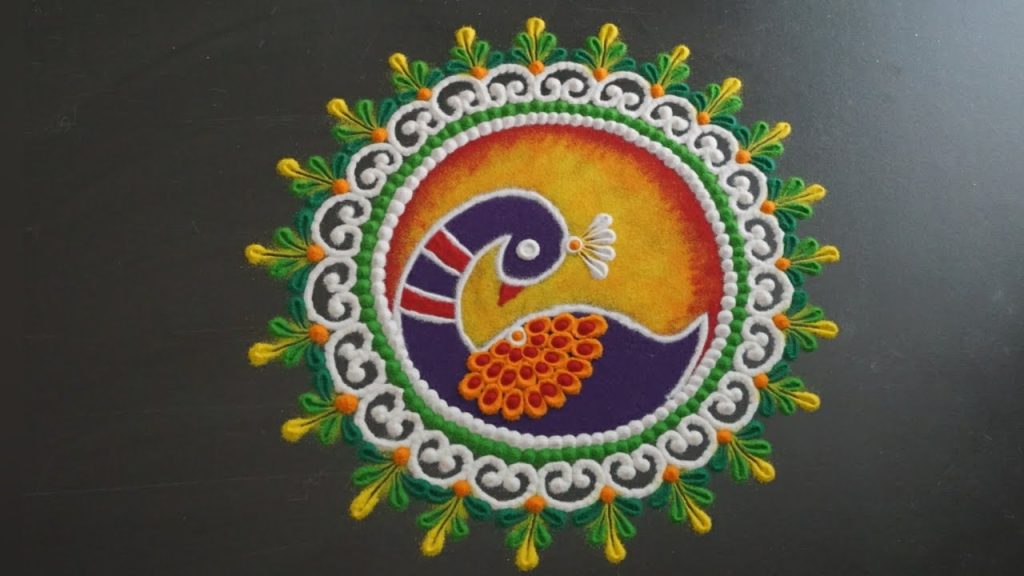
The peacock is considered auspicious in Hinduism. Its beautiful feathers and colourful appearance make peacock designs popular during Tihar. Attractive peacock patterns can be created by combining bright colours and geometric shapes.
Making rangoli during Tihar does not necessarily require a large space or expensive materials. A little colour, a few flowers and some creative thinking are enough to transform the main entrance of a home into a festive space.
A rangoli created in one’s own style while respecting tradition adds even more colour to the joy of Tihar.