Rabi Lamichhane, chairman of the ruling Rastriya Swatantra Party (RSP), has emerged as the preferred point of contact for major powers such as India, China, and the United States on diplomatic matters.
While ambassadors from these countries have also begun engaging with Prime Minister and senior RSP leader Balendra Shah, it is party chairman Lamichhane who has appeared more active in high-level conversations.
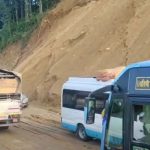
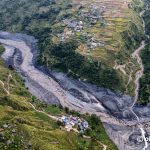
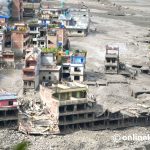
On Monday, US Secretary of State Marco Rubio, in a phone call with Chairman Lamichhane, expressed sorrow over the immense damage caused by the Rasuwa floods. According to RSP sources, the US Secretary of State assured continued, priority US assistance to Nepal.
RSP Chairman Lamichhane, in turn, thanked the US government for expressing sorrow over Nepal’s losses and the difficult time this has brought.
Earlier, Indian Prime Minister Narendra Modi had invited Lamichhane to New Delhi on June 3 for a meeting. Lamichhane, leading a delegation on behalf of his party, held talks with Indian Prime Minister Modi and senior leaders of the ruling BJP.
Foreign Minister Shishir Khanal’s visit followed shortly after Lamichhane’s. Notably, while Indian Ambassador Naveen Srivastava and other diplomats did not get individual meetings with Prime Minister Shah, high-level talks did take place with Lamichhane. Only later did the Indian and Chinese ambassadors hold separate meetings with Prime Minister Shah.
Similarly, the Chinese side had also invited Lamichhane to visit in August. Lamichhane postponed it to the second week of September, citing internal reasons. After an unofficial schedule for the visit was drawn up, only formal confirmation remained. In the meantime, the visit has now been put on hold due to the Bhotekoshi floods and other factors. RSP sources say the visit is likely to happen soon, at an appropriate time.
“Confirming the meeting with the Chinese president, along with preparing some substantive agenda items, is what held up the visit, but the chairman remains positive about going to Beijing,” an RSP source said.
According to a senior source, the US Secretary of State’s wish to hold a conversation carrying decisive weight at the top level of government is what made the call with Chairman Lamichhane possible.
Prime Minister Balendra Shah, meanwhile, is preparing to travel to New York for the UN General Assembly session, where he is expected to raise Nepal’s concerns with world leaders and hold corresponding meetings, though the full schedule has not yet been finalised.
Nepal’s embassy in the US and the Ministry of Foreign Affairs are reportedly making preparations for this. Diplomacy analyst and journalist Sudheer Sharma views the importance given to RSP Chairman Lamichhane as consistent with how major powers typically engage, based on access rather than protocol. He attributes this partly to Lamichhane’s position as the powerful chairman of the ruling party, and partly to Prime Minister Shah’s style of not being easily accessible.
“Not just the US, but other major powers too tend to engage based on access and where power actually lies, rather than strictly following diplomatic protocol. The meetings and calls with Chairman Lamichhane should be seen as a result of that,” journalist Sharma said. “Prime Minister Shah isn’t easily available, and he’s also due to travel to the UN General Assembly soon. Even if he doesn’t accept the US invitation to visit, since that trip will happen on American soil anyway, it’s natural that conversations are happening with Chairman Lamichhane right now.”
Earlier, right after RSP’s landslide victory in the March elections, Indian Prime Minister Modi had spoken with both Shah and Lamichhane. Several other countries are also understood to be advancing dialogue by giving importance to Chairman Lamichhane.