
Kathmandu, August 18
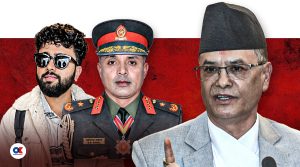
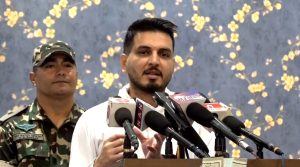
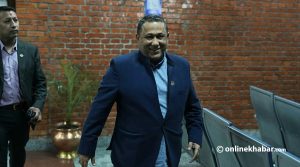
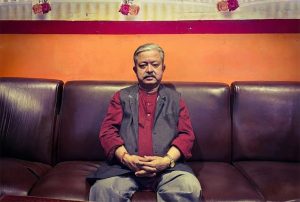
Infrastructure Development Minister Sunil Lamsal has travelled to 55 districts in the four-and-a-half months since the formation of the Balen Shah-led government, according to ministry sources.
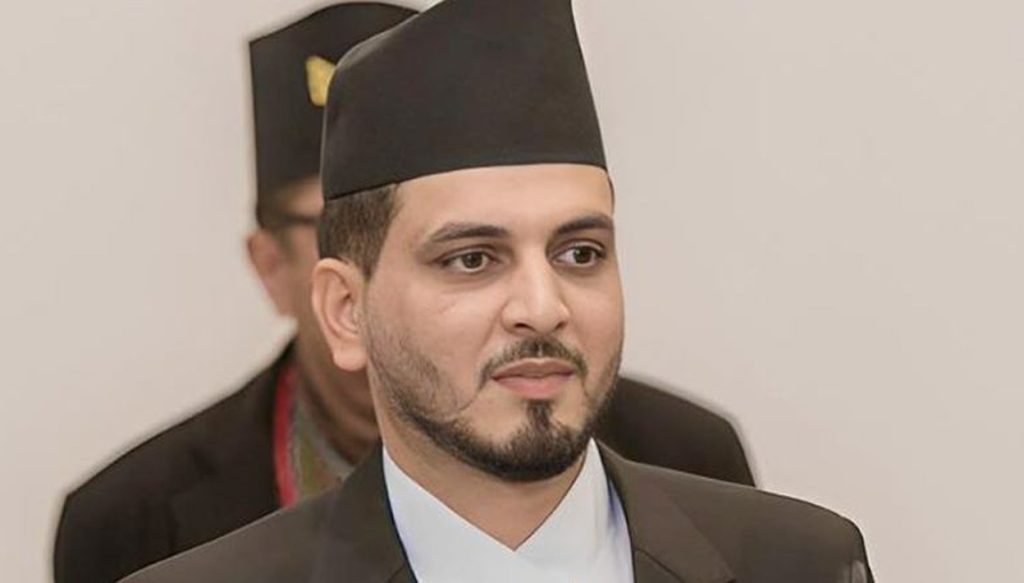
His latest tour took him to Sudurpaschim. After visiting Darchula, however, Lamsal fell ill upon reaching Baitadi.
He was airlifted from Baitadi to Dhangadhi in a Nepal Army helicopter and brought to Kathmandu by Sky Truck on Monday. His secretariat said he underwent tests at Chhauni Hospital that night and was diagnosed with a urinary infection.
He was discharged the same night and is currently resting at his residence on doctors’ advice.
The minister’s extensive travel across the country comes against the backdrop of a remark made by Prime Minister Balen Shah at the first general convention of the Rastriya Swatantra Party (RSP).
“Our vehicle will not travel on local roads. It will speed through on an expressway,” Shah had said.
Lamsal’s travel record appears to have given that remark a literal meaning.
Why is Lamsal travelling so extensively?
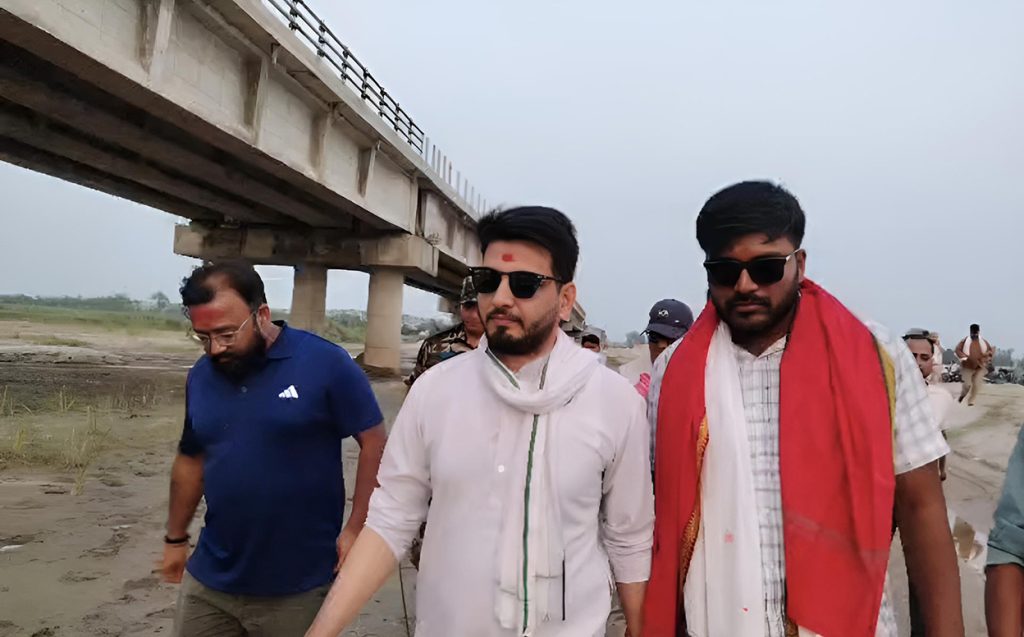
There is a practical reason for at least part of the minister’s frequent travel.
After the formation of the new government, the then ministries of Physical Infrastructure and Transport, Water Supply, and Urban Development were merged to create the Ministry of Infrastructure Development.
The ministry has the largest budget allocation for the current fiscal year 2026/27, with Rs 302.83 billion allocated for implementation. It is also responsible for a large number of major infrastructure projects, many of which are facing various problems.
A ministry official said Lamsal and his team have been travelling to project sites to assess their condition, monitor progress and understand problems at the local level.
Lamsal’s approach has also changed over time.
Initially, he focused on bringing contractors to the ministry through the police and having them questioned through his secretariat. More recently, he has shifted his attention to field inspections.
The minister is generally accompanied by the ministry secretary and director generals of agencies responsible for implementing road, urban development and water supply projects. Lawmakers from the concerned constituencies and leaders of the ruling RSP have also joined some of his visits.
But the scale of the travel has raised another question: is there a political dimension to the minister’s district tours, particularly with local and provincial elections approaching?
That question has gained traction because Lamsal has been making commitments during his visits even though the annual budget has already been allocated and approved by Parliament.
He has been promising new projects, assuring locals that their demands will be addressed and, in some cases, directing officials to terminate contracts on the spot.
From project inspections to controversial remarks
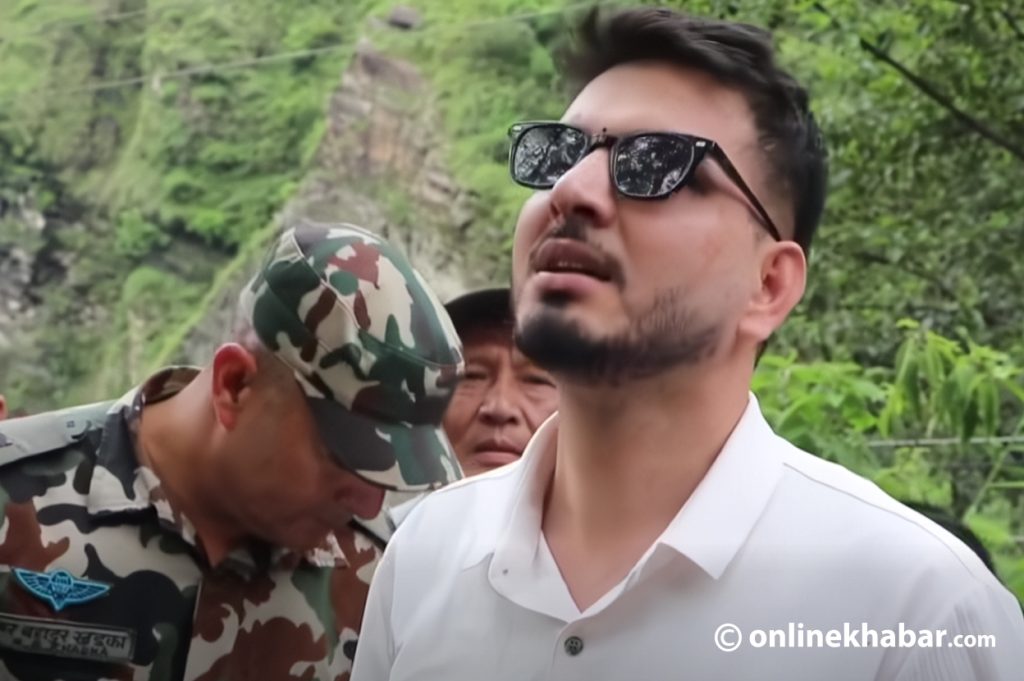
Lamsal’s tours have attracted attention not simply because of how frequently he travels, but also because of what he says and does once he reaches the project sites.
In late May, locals protested during his inspection of the Kamala Bridge in Siraha. They said ministers had repeatedly visited the project without making tangible progress.
Lamsal was reportedly the 18th minister to inspect the bridge.
A joint interaction held by Lamsal and Law Minister Sobita Gautam in Sindhuli in early August also became controversial.
Gautam said the two ministers were responsible for the country’s budget and laws and that “the country will develop” as both were present.
The remarks drew criticism in light of the RSP’s own political rise.
The party had gained significant public support in the last election by strongly criticising the practice of ministers and lawmakers visiting districts and distributing projects according to their political interests.
Critics now say Lamsal is making similar promises during his own district tours, assuring locals that projects they demand will be completed immediately.
Some have accused him of making promises as though he could allocate funds from his own pocket.
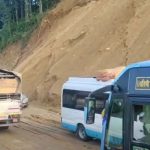
One such remark came during his inspection of the Bahrabise-Tatopani road in Kavre in early August.
Asked about the 42-household Panthali settlement, Lamsal responded: “Just relocate the village.”
The remark went viral.
Former Sindhupalchok-1 lawmaker Madhav Sapkota criticised it, saying it reflected a tendency to “cut off the entire hand when only a finger is injured.”
According to Sapkota, instead of seeking sustainable solutions, the minister was offering irresponsible options such as closing roads or simply relocating settlements.
Lamsal also came under criticism in early June over the Naubise-Malekhu road.
After learning that the contractor responsible for relocating electricity poles had failed to complete the work, he directed officials to find and bring in the contractor. He then threatened that the contractor’s “legs should be broken” if the work was not completed.
A similar controversy followed his visit to Gulmi in late July.
Lamsal directed officials to terminate the contract for Gulmi Hospital, even though the project had achieved around 91 percent physical progress.
He ordered the cancellation, saying the project had failed to make sufficient progress even five years after construction began.
His approach of directly ordering contract termination rather than exploring other measures to improve project implementation has also drawn criticism.
A minister constantly on the road
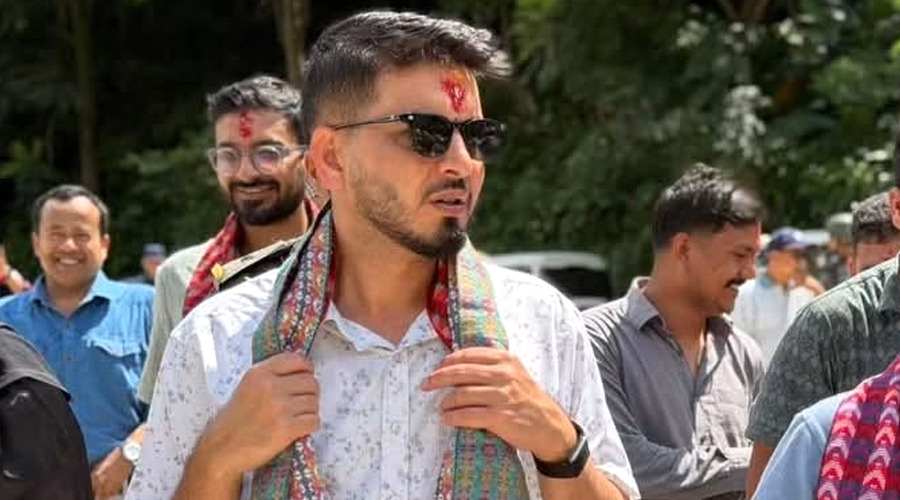
The scale of Lamsal’s travel becomes clearer from the list of projects he has inspected since taking office.
He has inspected all three sections of the Kakarbhitta-Laukahi road project.
He has also inspected the East-West Highway expansion project from Kanchanpur in Saptari to Kamala in Siraha, including the Kamala-Kanchanpur bridge.
The Nagdhunga-Sisnekhola Tunnel is another project he has inspected and inaugurated. He has also visited the Siddhababa Tunnel.
Under the Kaligandaki Corridor, Lamsal has inspected the Beni-Jomsom-Korala road project. He has also inspected the Saljhandi-Sandhikharka-Dhorpatan road.
On that tour, he travelled from Saljhandi in Rupandehi through Sandhikharka in Arghakhanchi and Madane in Gulmi before reaching Dhorpatan in Baglung.
In Gulmi, he also inspected sections of the Madan Bhandari Highway.
The Karnali Highway has also been on his itinerary. Lamsal spent a week in Karnali in early August, travelling from Bangemsimal in Birendranagar to Kalikot.
Another major tour took him to the road network connecting Hilsa on the Nepal-China border with Simkot in Humla. He visited eight districts during that tour alone.
He has also inspected the Butwal-Narayangadh road, Daunne section, as well as both the eastern and western sections of the Muglin-Pokhara road project.
The Madi Bridge is among the other projects he has inspected.
Lamsal has also travelled with Law Minister Gautam to Sindhuli, Dolakha and Sindhupalchok to inspect infrastructure projects.
In just four-and-a-half months, the infrastructure minister has therefore covered 55 districts.
Whether the unprecedented pace of these tours translates into faster project implementation—or remains a defining feature of Lamsal’s tenure—is likely to be judged by the progress of the projects he has been visiting.