Kathmandu, September 10
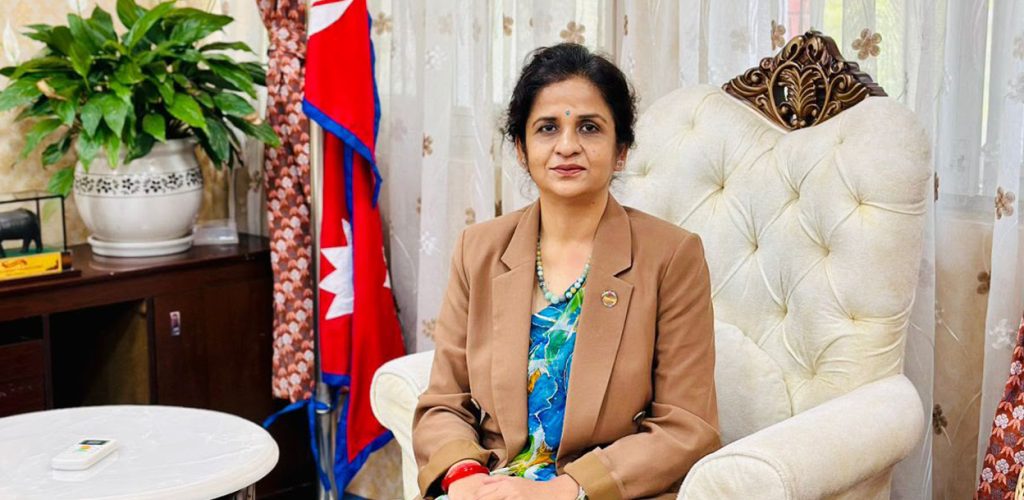
Industry Minister Gauri Kumari Yadav has resigned from her post amid controversy over her remarks regarding the shortage of liquefied petroleum gas (LPG) in the country.
Yadav submitted her resignation to Prime Minister Balen Shah, according to her communications coordinator Kamal Chaulagain.
Yadav made the controversial remarks during a meeting of the Parliamentary Industry Committee on Wednesday, blaming LPG entrepreneurs for the ongoing shortage and saying the situation would not improve until the government “tightened the screws” on them.
She also said the licences of all 58 LPG companies currently operating in Nepal should be revoked, arguing that the country did not need so many gas industries and that two would be sufficient.
Her remarks drew strong objections from LPG entrepreneurs, who also brought the issue to the attention of the prime minister.
Kathmandu Valley is currently facing a severe LPG shortage, with consumers forced to queue for hours to obtain cylinders. Even when they manage to find gas, they are reportedly paying up to Rs 3,000 for a cylinder whose official price is Rs 2,060.
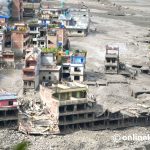
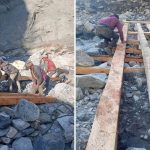
The shortage has been aggravated by disruptions along the road network. Since the road at Krishnabhir subsided on August 30, LPG supplies entering Kathmandu have remained inadequate. Supplies brought through alternative routes have also failed to reach consumers smoothly.
Meanwhile, Nepal Oil Corporation and the Ministry of Industry have been releasing data showing that LPG is being imported and supplied. However, the situation in the market remains markedly different, with consumers continuing to face long queues and shortages.
Yadav had also expressed frustration during the committee meeting, saying ministry officials had failed to cooperate with her efforts to take action against LPG entrepreneurs.
All 58 LPG bottling plants operating in Nepal are privately owned. The government has no infrastructure of its own for importing, storing or distributing LPG. Nepal Oil Corporation does not own a single LPG bottling plant.
Salt Trading Corporation, in which the government holds a 20 per cent stake, sells some LPG but lacks the capacity to meet market demand.
Nepal also does not have a single government-owned LPG bullet tanker. Even private LPG companies depend on Indian tankers to transport imported gas, resulting in an estimated annual outflow of Rs 6 billion in transportation costs.
Yadav’s resignation comes as the government faces growing pressure to address the prolonged LPG shortage and improve supply management.