In an age where travel is increasingly shaped by screens, notifications, and constant connectivity, a quiet paradox is emerging: an alternative school of thought is gaining ground, where disconnection itself is becoming the purpose of travel, offering relief from digital overload, constant alerts, and the fatigue of being permanently online. Within this shift, digital detox tourism is emerging as a distinct response.
Digital detox tourism refers to travel experiences that temporarily remove individuals from digital devices and reconnect them with the physical world. It is no longer marginal, but part of a broader movement linked to wellness, mental health, and lifestyle recovery. Tourists are increasingly motivated by deeper psychological needs such as stress reduction, improved relationships, personal reflection, and mental clarity. Tourism is evolving from offering experiences to restoring balance.
Nature as the core of digital detox
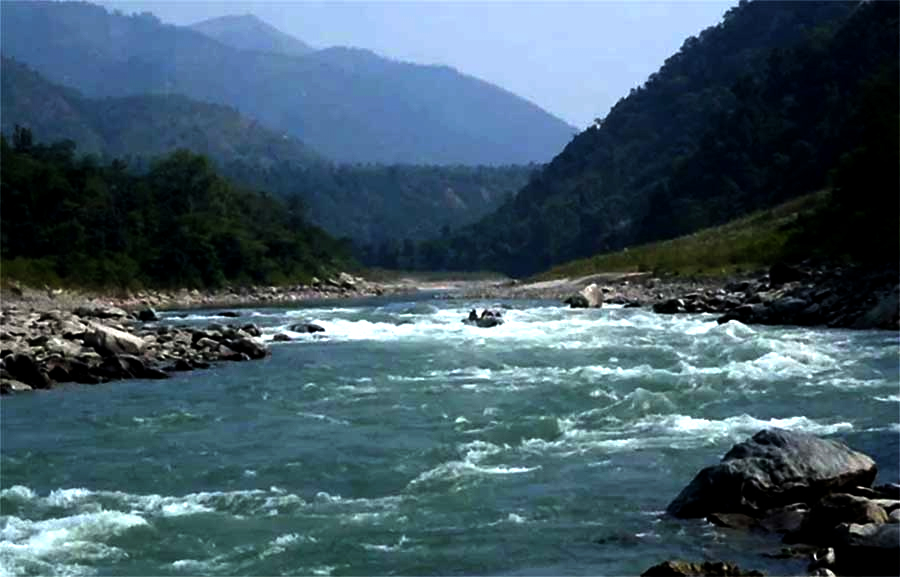
This shift is closely tied to nature-based environments. Digital detox experiences are most effective in places where connectivity is naturally limited, such as mountains, forests, and rural landscapes. These settings do more than eliminate technology; they enable presence, mindfulness, and human connection. The implication is clear. The most valuable tourism assets are not those that enhance connectivity, but those that allow disconnection.
Nepal, long positioned as a trekking and adventure destination, may already possess what the global market is seeking but has not fully articulated. Traditional camping-based trekking, developed before the era of digital tourism, reflects the core features of digital detox travel. These journeys take place in remote, low-connectivity environments, involve sustained physical activity, and foster close social interaction with minimal reliance on technology.
Nepal’s trekking model, especially in less commercialised regions, aligns closely with emerging demand for immersive and technology-free travel. However, a disconnect remains. National positioning continues to emphasise adventure and scenery, while global travellers increasingly respond to narratives of wellbeing, mindfulness, and intentional disconnection. The opportunity lies in reframing, not reinventing.
Beyond experience: The economic opportunity
Digital detox tourism is part of the expanding wellness economy and reflects a shift toward value-driven tourism. Travellers engaged in such experiences report higher satisfaction, stronger emotional connection, and deeper attachment to place. This increases repeat visits and recommendations, shifting tourism from volume-oriented growth to value-based returns.
For Nepal, this creates clear strategic potential. It allows diversification beyond conventional trekking, attracts higher-value visitors, and supports longer stays through immersive experiences. It also enables niche offerings grounded in authenticity rather than infrastructure. At the same time, it aligns with sustainability by reducing pressure on high-traffic areas and promoting environmentally sensitive travel.
This potential requires deliberate design. Digital detox tourism must be structured, not incidental. A central principle is collective disconnection. Guides, porters, kitchen staff, and support teams must all remain offline to preserve the integrity of the experience. Limited device use should be restricted to emergencies or essential reporting, handled separately from the group.
Successful digital detox is not defined only by the absence of technology, but by the presence of meaningful alternatives. Activities such as trekking, meditation, and cultural immersion replace digital engagement. The environment must support gradual disengagement and create space for reflection and connection. For policymakers and industry actors, this calls for a shift toward system design. Digital detox tourism should be integrated into national strategy, supported by clear standards, community-based models, and innovation in wellness-oriented experiences. Disconnection must become intentional and operational.
A window of strategic opportunity: From connectivity to meaning
Despite its growth, digital detox tourism remains underdeveloped globally. Many elements, including user behaviour and long-term impacts, are still evolving. This creates a rare window for early movers to shape the market and establish leadership. The future of tourism may lie not in deeper digital integration, but in rediscovering the value of being offline. This reflects a broader shift in human priorities, from speed to stillness and from constant connection to meaningful presence.
For Nepal, the path forward is not reinvention but reframing. Camping treks, mountain solitude, and immersion in nature have always defined its identity. Today, they can be repositioned as essential responses to a hyper-connected world.
If developed with clarity and intention, Nepal’s tourism can evolve into a model centred on restoration and meaning. Its advantage lies not only in its landscapes but in its ability to offer structured disconnection at scale. In this sense, Nepal does not simply participate in the future of digital detox tourism. It has the potential to define it.