Kathmandu, October 5
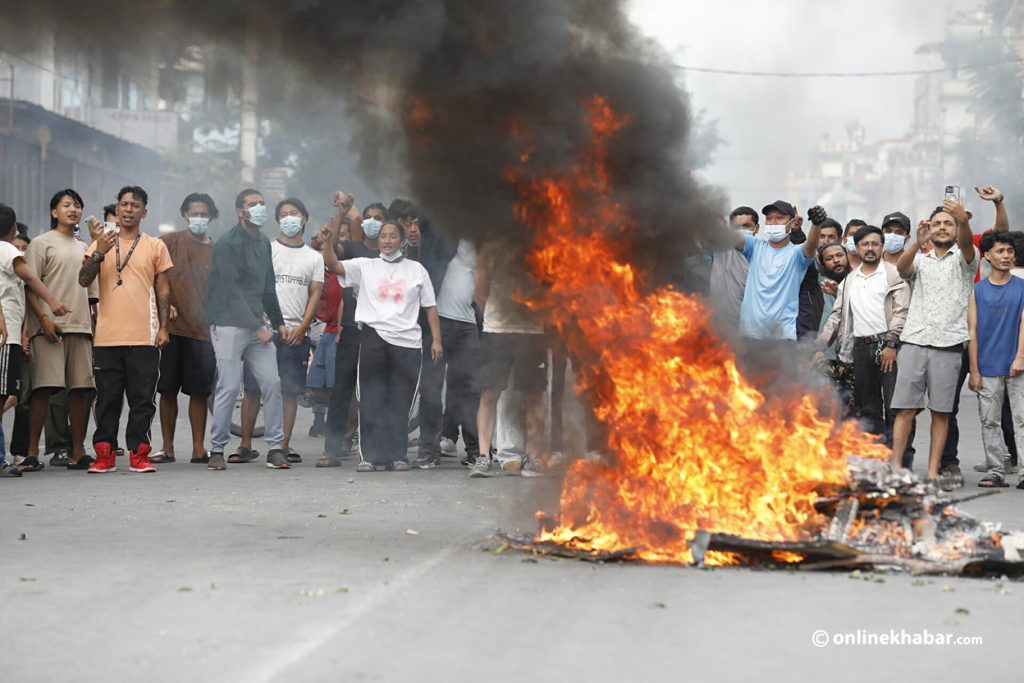
A government-formed study committee has recommended that criminal cases against people involved in violent and criminal activities during the Gen Z movement should not be withdrawn.
The Cabinet decided on Monday to implement the report submitted by a three-member committee led by former Special Court chairperson Baburam Regmi.
The Cabinet decided to forward the report to the Ministry of Home Affairs for necessary action. The committee was formed to investigate cases filed in connection with the Gen Z movement and recommend which cases could be withdrawn.
According to the report, cases filed against those involved in violent attacks on security personnel, attacks on police posts and the looting of weapons should not be withdrawn under any circumstances.
Sources at the Home Ministry said the committee had also recommended against withdrawing cases involving people accused of vandalising and setting fire to the Supreme Court, Federal Parliament and Singha Durbar.
Around 400 cases have been filed in connection with the incidents of September 9, 2025. According to Home Ministry sources, the committee has classified around 100 of these cases as cases that should not be withdrawn.
The committee has made a separate recommendation regarding cases involving the vandalism of private institutions and personal property.
According to the recommendation, such cases could be withdrawn if those accused admit their offences and agree to compensate for the damage caused.
The report also states that cases could be withdrawn if the owner of a damaged house or property chooses to forgive those involved. However, the committee has recommended that the consent of the complainant or victim must be obtained before such cases are withdrawn.
The committee also found that cases had been filed against some people who merely came onto the streets during the Gen Z movement, participated in demonstrations or chanted slogans, but were not found to have been involved in other criminal activities.
The committee has recommended that cases of this nature should be withdrawn.
The study committee has also advised the government to follow the Criminal Procedure Code and the Government Cases Withdrawal Procedure, 2020, when withdrawing cases.
If the government decides to withdraw a case, the Office of the Attorney General must submit an application through the relevant government attorney’s office to the concerned district court. A case can only be withdrawn after the district court grants permission.
The committee studied cases pending before various district courts in Kathmandu Valley. It classified the cases into three categories — those that cannot be withdrawn, those that can be withdrawn with the consent of the complainant, and those that can be withdrawn unconditionally.
“The committee’s position appears to be that if someone was prosecuted simply because they participated in the Gen Z movement or the events of the following day, that amounts to political prejudice and such cases should be withdrawn,” a Home Ministry source said.
“However, the report makes it clear that those who participated in the movement but were involved in attacks serious enough to cause deaths, arson targeting sensitive state institutions or the vandalism of private property should not be granted immunity.”