Kathmandu, September 17
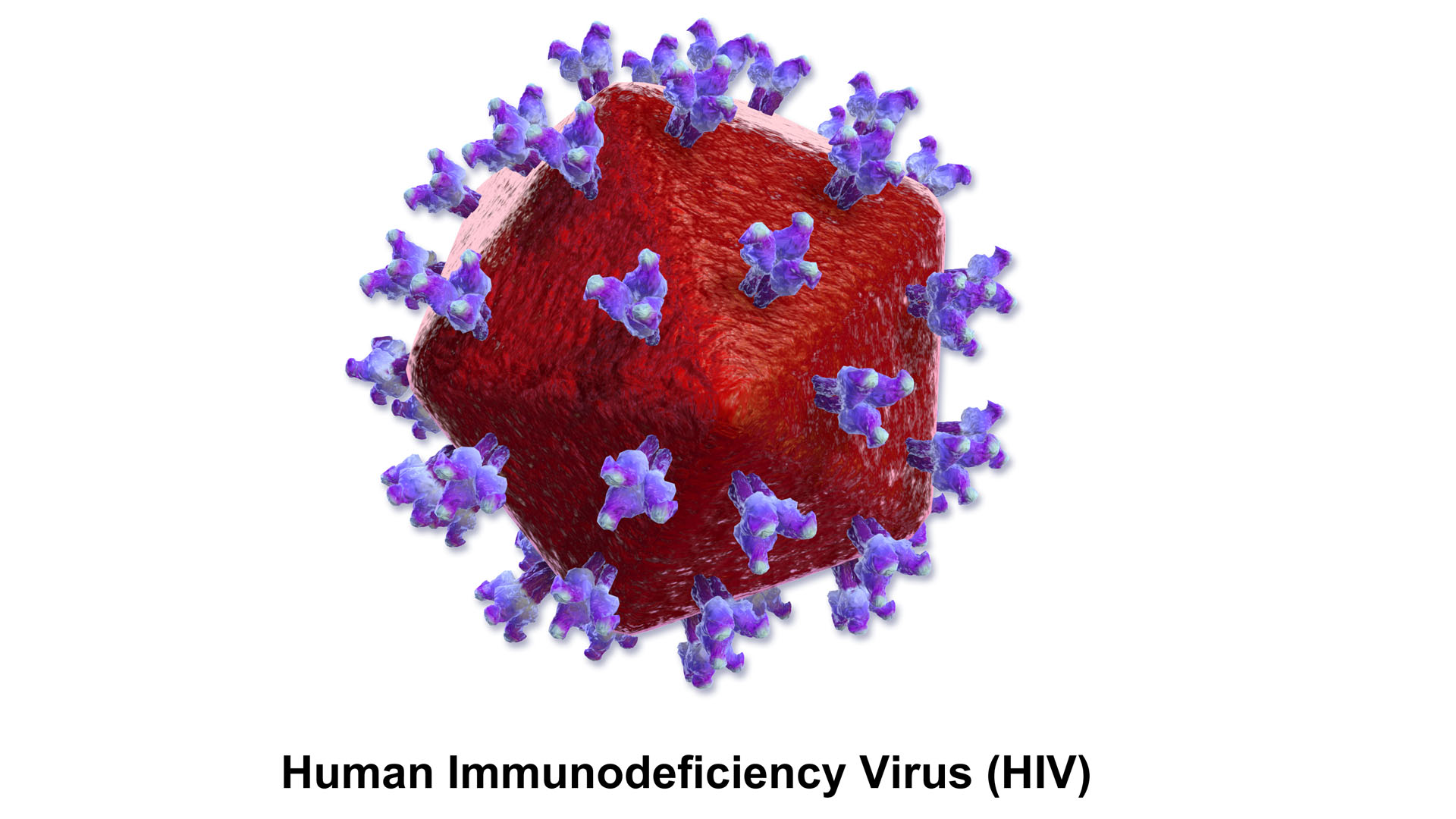
Fiji has declared a national emergency over a sharp rise in HIV infections that has placed significant pressure on the country’s health system, with the government planning to expand testing, treatment and prevention services.
The Pacific island nation now has an estimated one in every 60 adults living with HIV, compared with one in 167 five years ago. Fiji recorded 2,016 new HIV infections in 2025 alone, according to the report.
UNAIDS estimates that about 9,100 people were living with HIV in Fiji in 2025. Only 39 per cent knew their HIV status, while 22 per cent were receiving antiretroviral treatment, compared with a global treatment coverage rate of 78 per cent.
Health authorities have linked the spread to increasing drug use, unsafe sex, needle sharing and a practice known as “bluetoothing” or “hotspotting,” in which blood from a person under the influence of drugs is transferred to another person.
The government plans to introduce a needle and syringe programme and is preparing legislative amendments to facilitate its implementation. Health Minister Antonio Lalabalavu has urged people to come forward for HIV testing, saying social stigma is keeping some people away from healthcare services.
Jason Mitchell, head of Fiji’s National HIV Response Taskforce, said controlling the outbreak could take at least five years and warned that the epidemic was placing additional pressure on an already strained health system.