

Kathmandu, November 26
Three months after the devastating Bhotekoshi flood in Rasuwa, families of those who went missing are still waiting to receive their loved ones’ remains.
DNA test results have offered some hope to families searching for missing relatives, but a DNA match alone is not enough to release a body. Authorities must establish the individual identity of each body or fragment by cross-checking DNA results with autopsy reports and other details collected during recovery.
A total of 1,445 samples were collected from bodies and human remains recovered along riverbanks in various districts following the flood on August 26. Of these, only 112 have been identified and handed over to relatives. The remaining 1,345 unidentified bodies have been buried.
Meanwhile, blood samples were collected from 2,111 relatives of missing people to facilitate DNA matching. DNA profiles have been prepared for most of the samples, and around 350 matches have been found between recovered remains and relatives.
However, forensic experts say those matches do not necessarily establish which missing family member a particular body belongs to, especially when several members of the same family have gone missing.
Nirajan Thapa, head of the DNA division at the National Forensic Science Laboratory, said authorities are now combining DNA matches with other information collected during the recovery and examination of bodies to establish individual identities. The process of verification and analysis is still underway.
“Many families have lost more than one member. Even if the DNA matches, the remains could belong to any of the missing members of that family. A DNA match alone does not establish whose remains they are,” Thapa said. “When several members of the same family are missing, DNA matching with a relative cannot determine which individual the remains belong to. We have to examine autopsy reports, details recorded when the remains were recovered and DNA test results together.”
DNA matches require further verification before bodies can be handed over
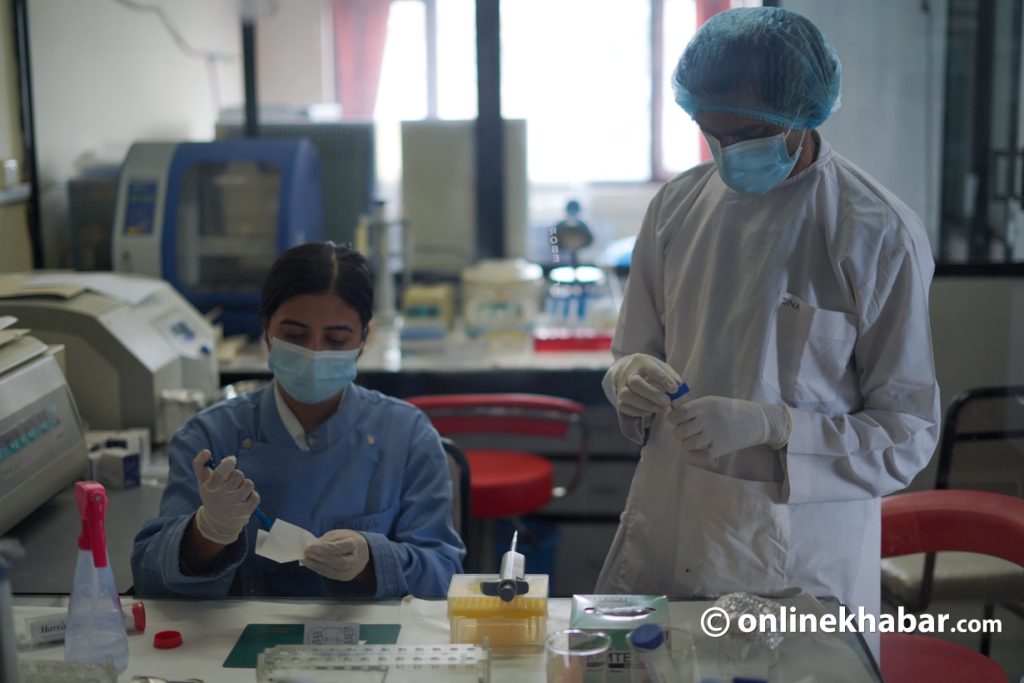
A separate team has been formed under the leadership of forensic expert Dr Srijana Kunwar, coordinator of the disaster victim identification team under the National Disaster Risk Reduction and Management Authority, to establish the identities of remains for which DNA matching results are available.
The team includes representatives from the police and the National Forensic Science Laboratory, among other agencies. It is compiling autopsy reports prepared at different hospitals, details of recovered bodies and remains, and DNA test results to prepare individual case files for each victim.
Thapa said identification requires a comprehensive assessment of where the remains were recovered, the sex of the deceased, autopsy findings and DNA matches with relatives.
He said attempts to identify and hand over remains on a district-by-district basis had also proved problematic, as fragments belonging to the same individual could be recovered in different districts. DNA from remains recovered in one district could match fragments found elsewhere.
“Remains recovered in Dhading may match a person, but fragments recovered in Gorkha could also belong to the same person. If we try to identify and hand over remains based only on districts, complications can arise,” Thapa said, explaining why records from all affected districts need to be examined together.
Authorities are therefore compiling records from all districts for a consolidated analysis. Thapa estimates that the remaining DNA matching and individual identification process could take another 15 days.
Dr Kunwar said the process was being carried out in accordance with international standards. The team is currently cross-checking DNA matches with autopsy findings and other identifying details recorded from recovered bodies.
“Once the DNA matches and the autopsy findings and details recorded during the recovery of the remains are also consistent, we can establish the identity. We can hand over the remains only after we have established the evidence confirming whose they are,” she said. “This process is expected to begin within the next one or two weeks.”
Bodies to be handed over only after identities are established
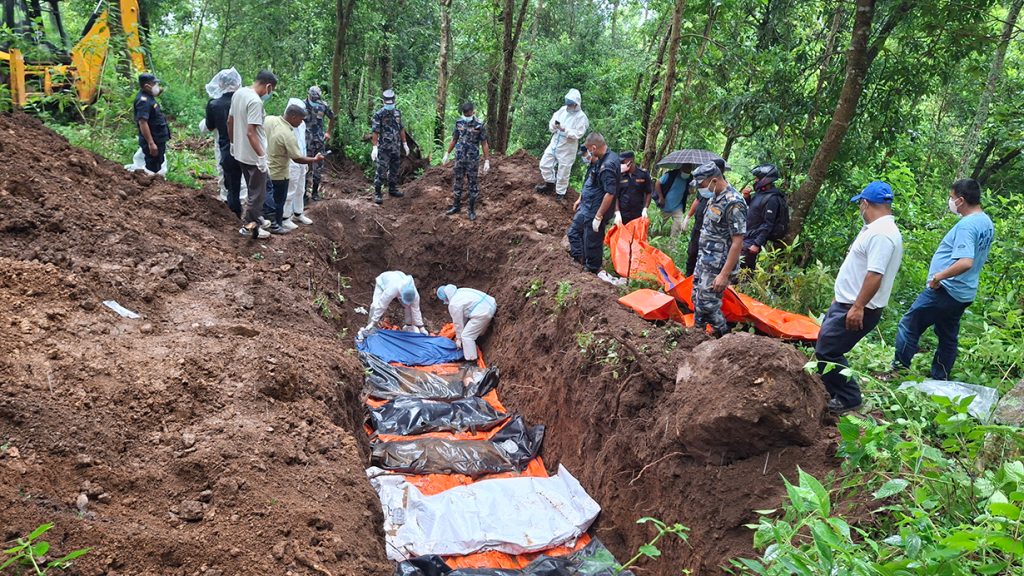
The handover process will begin only after the individual identity of each body or set of remains has been established. The team will prepare documents certifying the death based on DNA results, autopsy findings and other verified information.
The individual case files, containing the identification details of the remains, will then be sent to the respective districts. The post-disaster body management committee, chaired by the chief district officer, will coordinate the handover to the families.
In other words, even after a DNA match, authorities must complete individual identification, prepare death certification documents and follow the district-level handover procedure. These additional steps have delayed the release of remains to families.
Thapa estimates that the handover process could begin within the next 15 days once verification is completed and individual case files are prepared.