Kathmandu, August 21
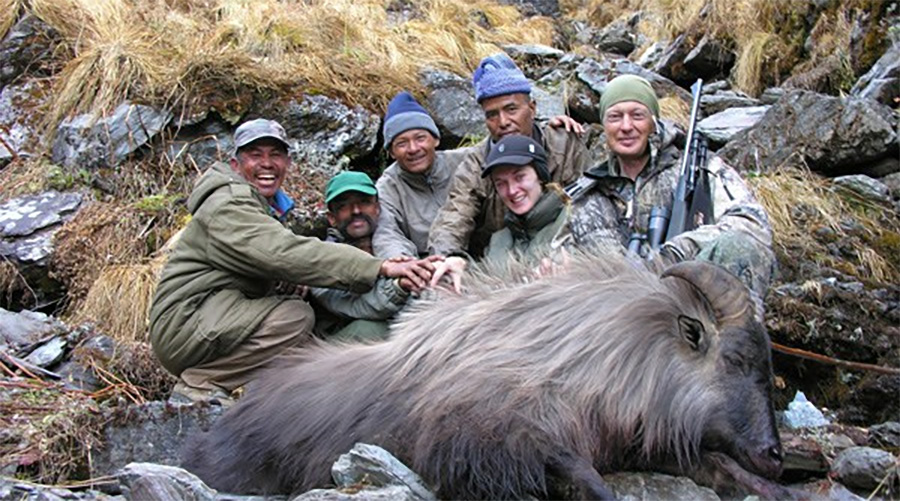
Dhorpatan Hunting Reserve, Nepal’s only legal hunting reserve, continues to attract foreign hunters seeking blue sheep and Himalayan tahrs.
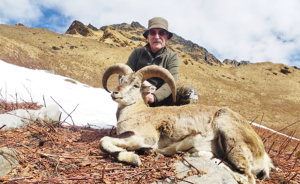
During the last fiscal year, foreign hunters hunted 21 blue sheep and 11 Himalayan tahrs at the reserve, paying more than Rs 417 million in government revenue through competitive bidding.
Hunting at Dhorpatan is conducted in two seasons each year. The hunters paid Rs 303.05 million in revenue during the first season and Rs 143.74 million during the second.
According to reserve ranger Sagar Subedi, 11 blue sheep and eight Himalayan tahrs were allocated for hunting during the first season, which runs from September to November.
Foreign hunters who came through different companies hunted eight blue sheep and five Himalayan tahrs during the season. However, three blue sheep and three Himalayan tahrs could not be hunted despite the required revenue having been paid.
During the second hunting season, from February to April, permits were issued for 14 blue sheep and 10 Himalayan tahrs.
Hunters managed to hunt 13 blue sheep and six Himalayan tahrs during the season. One blue sheep and four Himalayan tahrs could not be hunted due to technical reasons, Subedi said.
Anannath Baral, chief conservation officer at the Dhorpatan Hunting Reserve Office, said several factors prevented hunters from hunting all the animals for which permits had been issued.
Problems with ammunition, hunters falling ill, changes in weather and missed shots were among the reasons, he said.
Dhorpatan is the only place in Nepal where hunting is legally permitted. Foreign hunters pay high fees through a competitive bidding process for permits to hunt blue sheep and Himalayan tahrs.
Hunters from countries including the United States, Spain, the Netherlands and Mexico visit Dhorpatan during the hunting seasons.
The reserve office deploys its staff and porters to the designated hunting blocks to provide logistical support and guide the hunters.
The Department of National Parks and Wildlife Conservation determines the annual hunting quota based on the population of blue sheep and Himalayan tahrs.
The reserve is divided into seven hunting blocks: Seng, Barse, Surtibang, Fagune, Ghustung, Dogadi and Sundah.
Representatives of commercial foreign hunting companies and hunters generally travel to the reserve by helicopter. The hunters bear the costs of transportation, support staff, logistics and other expenses themselves.
According to the reserve office, a hunter spends between Rs 2 million and Rs 3.5 million during a 15-day hunting expedition.
Hunters, along with Nepal Army personnel and reserve staff, can remain in the forest for a maximum of 15 days.
The Department of National Parks and Wildlife Conservation invites electronic bids for each hunting season to determine the hunting quota and revenue rates.
The cost of the animal, block reservation, licence, helicopter and other expenses means a hunting expedition in Dhorpatan can cost a hunter a substantial amount.
The reserve office said no Nepali hunter has so far participated in the bidding process for blue sheep and Himalayan tahrs.
Established in 1983, Dhorpatan Hunting Reserve covers 1,325 square kilometres across Baglung, East Rukum and Myagdi districts.