Kathmandu, April 21
The shocking death of a homeless young man in a busy park in Sydney has sparked a new debate in Australia. Analysts say the incident has exposed how support services are failing in a country often regarded as a global leader in social protection.
According to a report published by News.com.au, the case only came to light because “no one noticed” even at the time of the death of the 32-year-old Nepali student Bikram Lama.
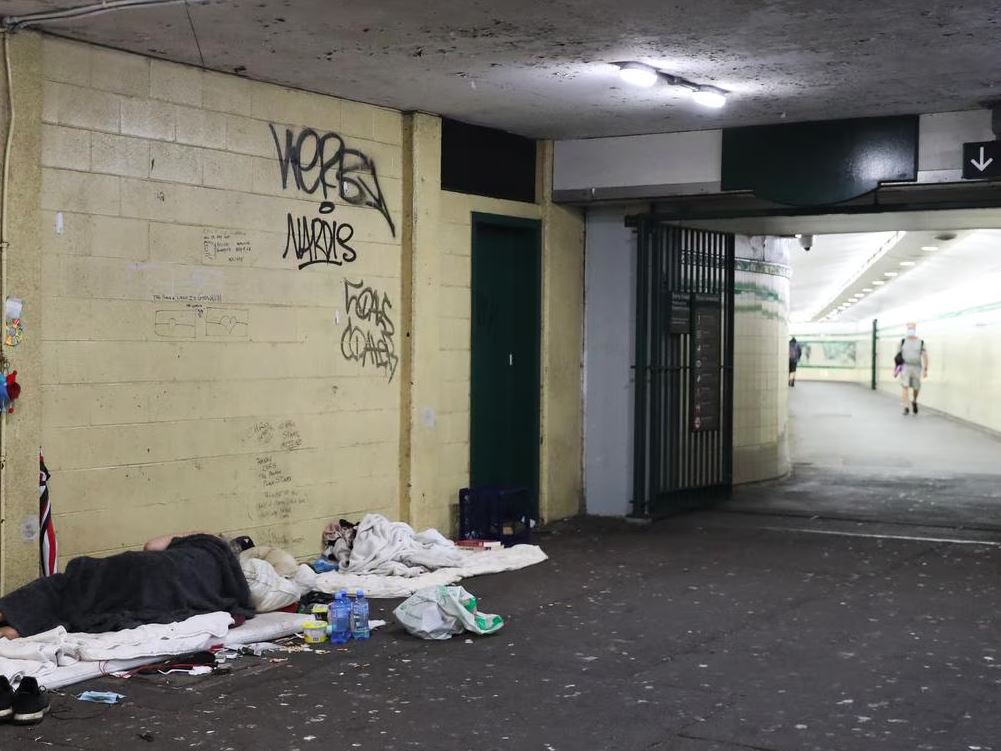
A months-long investigation by The Guardian has uncovered the heartbreaking story of Lama, a young man from Makwanpur who had gone to Australia to study computer science but later ended up living on the streets, sleeping in Sydney’s St James Tunnel.
This major tunnel, used to cross Sydney’s central business district (CBD), runs beneath Hyde Park and is considered one of the busiest thoroughfares in the city for both locals and tourists.
In fact, it is estimated that more than 1,00,000 Australians walked past his lifeless body before it was discovered by station staff around noon on December 7.
Nobody noticed
Erin Longbottom, Nursing Unit Manager at St Vincent’s Homelessness Health Service, said, “He was someone who fell through the cracks. Clearly, he was frightened and had no form of support.”
People like Lama, who arrive in Australia through legal channels but later lose their visa status or fail to obtain permanent residency, are often unable to access support services such as housing, healthcare, and financial aid.
Since The Guardian published its investigation on Monday, many Australians have reacted with shock.
Family out of contact, DNA identification
Known affectionately as the “Birdman” for feeding pigeons in the tunnel where he stayed, Lama had travelled to Australia in search of a better life. However, shortly after arriving in 2013, he lost contact with his family in a remote hilly village in Makwanpur.
According to the report, his family had not heard from him for years. They were stunned when Nepal’s Ministry of Foreign Affairs contacted his elderly mother last month, requesting a DNA test.
When his body was discovered during the summer, it had decomposed so badly that police were initially unable to identify him.
Rising housing crisis
According to The Australian Homelessness Monitor 2024, the number of people sleeping rough nationwide increased by 22 percent over the three years to 2023–24.
In New South Wales alone, the number of rough sleepers has risen by 51 percent since 2020.
The housing crisis is cited as the primary driver of rising homelessness. The number of people seeking homelessness services due to an inability to afford rent or housing costs has increased by 36 percent over the past three years.
Most agencies report a significant rise in demand for assistance, with monthly caseloads increasing by 12 percent since 2019–20. Overwhelmed by demand, agencies have been forced to cut back on homelessness prevention programs.
Australia has around 122,000 homeless people, with migrants and refugees making up a disproportionately high share.
According to the 2021 census, although only 28 percent of Australia’s total population is foreign-born, they account for approximately 46 percent of the country’s homeless population.