
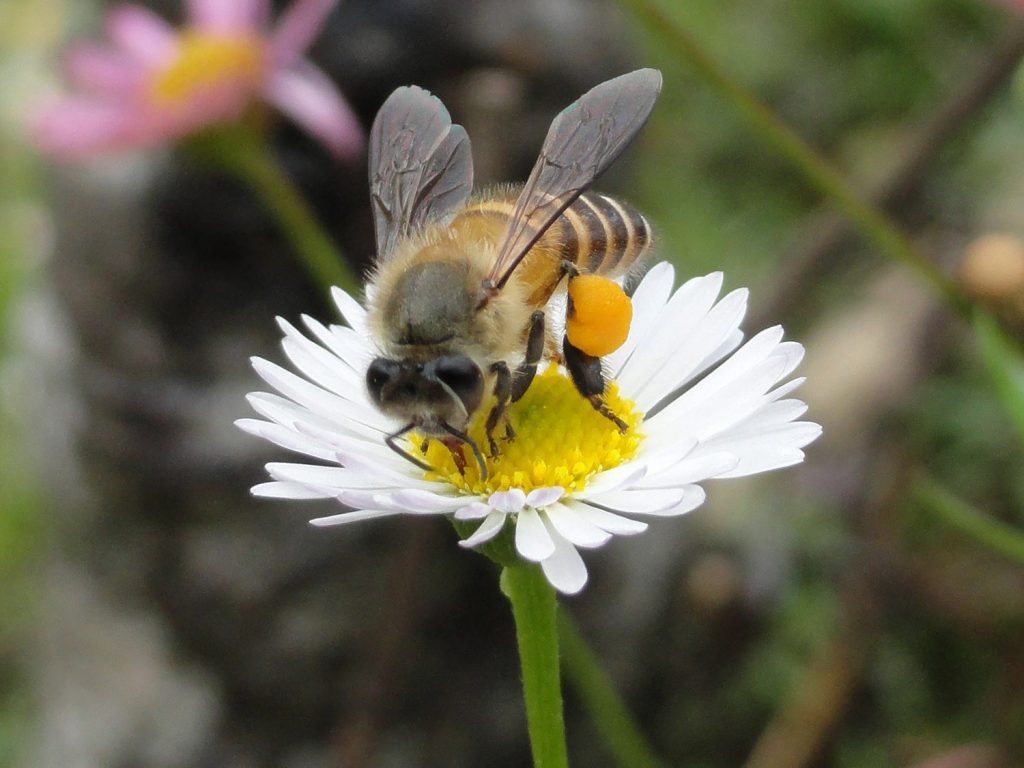
Bees are a vital part of biodiversity on which we all depend for survival. They may be small, but their contribution to the world is enormous. A single bee can visit hundreds of flowers in a day, helping plants reproduce through pollination.
This natural process plays a key role in producing food for both humans and animals. Bees also provide high-quality products such as honey, royal jelly, pollen, and other products including beeswax, propolis, and honeybee venom.
According to experts at the Food and Agriculture Organization (FAO), one-third of the world’s food production depends on bees. Crops such as fruits, vegetables, oilseeds, and nuts rely heavily on bee pollination for better yield and quality. Without bees, these foods would become scarce and expensive.
Farmers benefit greatly from bees, as proper pollination leads to higher crop production without additional costs, increasing farmers’ income and supporting rural economies. In areas where bee populations are declining, farmers are already experiencing reduced harvests.
Beyond agriculture, bees support biodiversity by pollinating wild plants, helping maintain healthy forests and ecosystems that support birds, animals, and other insects. Environmental experts warn that the loss of bees could disrupt the entire food chain.
But bees are under threat
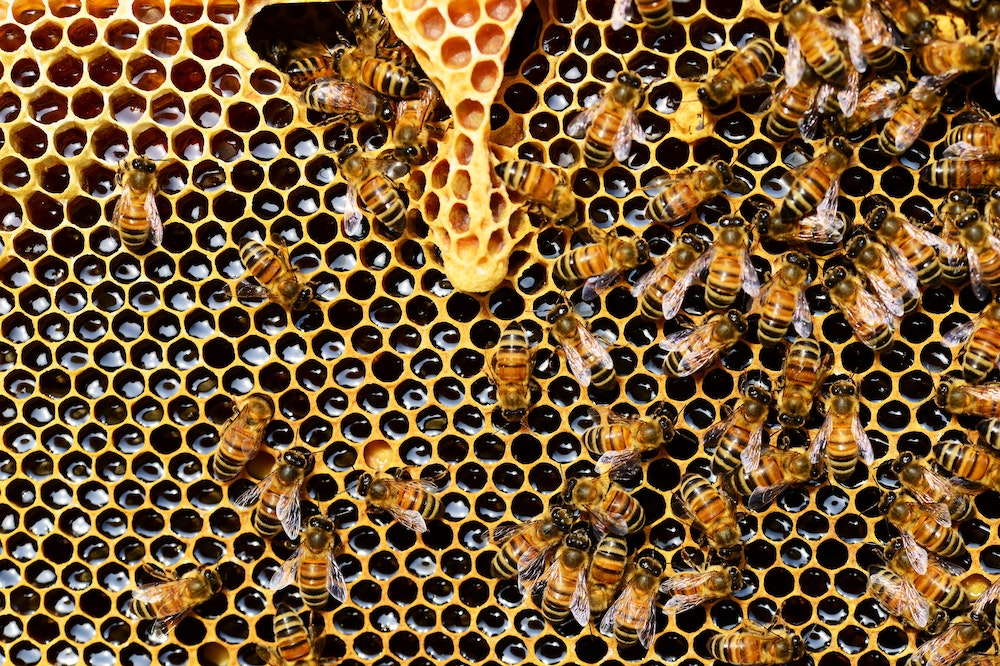
Bees are under serious threat due to human activities. Bee populations and other pollinators have been declining globally in recent years as a result of habitat loss, intensive commercial farming practices, changing weather patterns, and the random and excessive use of agrochemicals and pesticides.
Climate change disrupts flowering cycles, making it difficult for bees to find sufficient food, while deforestation and urban expansion reduce the natural habitats where they live and breed. Bees are also affected by diseases and parasites, including viruses and mites, which weaken or kill colonies.
Monoculture farming, where only one type of crop is grown over large areas, limits the diversity of food sources bees need to survive. Pesticides pose a particularly serious risk: bees may be killed instantly through direct contact while foraging, or they may carry contaminated pollen or nectar back to the hive, spreading toxins to the queen, brood, and nurse bees, ultimately leading to the collapse of the entire colony.
There is still hope
Many developed countries have partially banned some toxic insecticides to reduce the deadly threat they pose to bees. World leaders gathered in Kunming, China, at the United Nations Biodiversity Conference (COP15), where they were expected to finalise the post-2020 biodiversity framework, which calls, among other goals, for a reduction in pesticide use by at least two-thirds by 2030.
World Bee Day, observed each year on May 20, raises awareness of the essential role bees and other pollinators play in keeping people and the planet healthy.
What we can do to protect bees
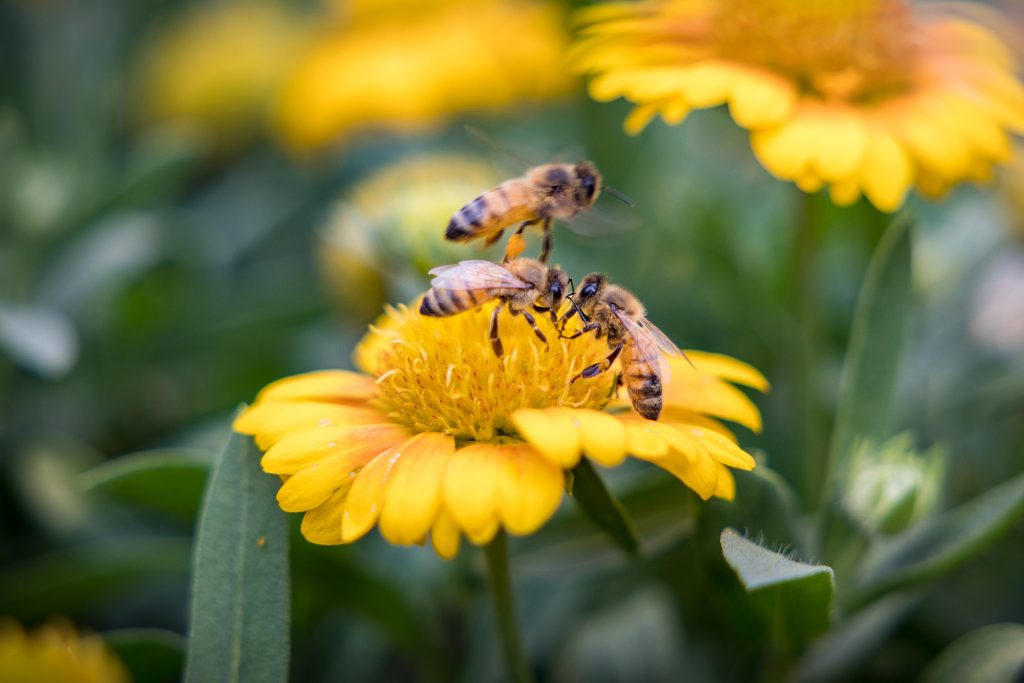
To protect bees, we can take several practical and community-based actions. Planting nectar-bearing flowers such as marigolds and sunflowers helps provide essential food sources for bees. Supporting local beekeepers by buying honey and other hive products strengthens sustainable beekeeping practices and local livelihoods.
Raising awareness about the importance of bees in schools and colleges, while linking this knowledge with entrepreneurship, can inspire future generations to protect pollinators and develop eco-friendly businesses. The proper and responsible use of pesticides that do not harm vital pollinators like bees is also crucial.
In addition, encouraging local beekeepers and actively promoting their products helps create a supportive environment for bee conservation and sustainable agriculture.
Let us join together to protect bees for the survival of humanity and the planet.