Kathmandu, September 14
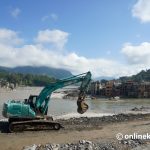
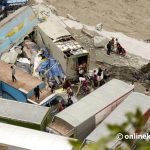
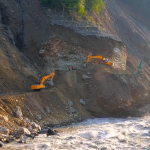
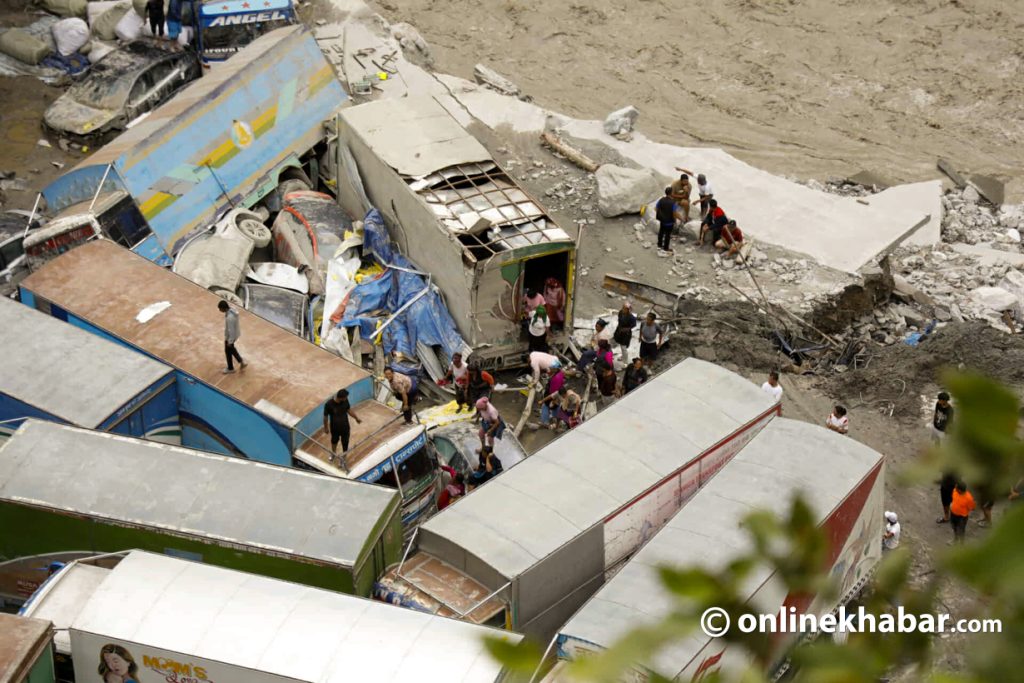
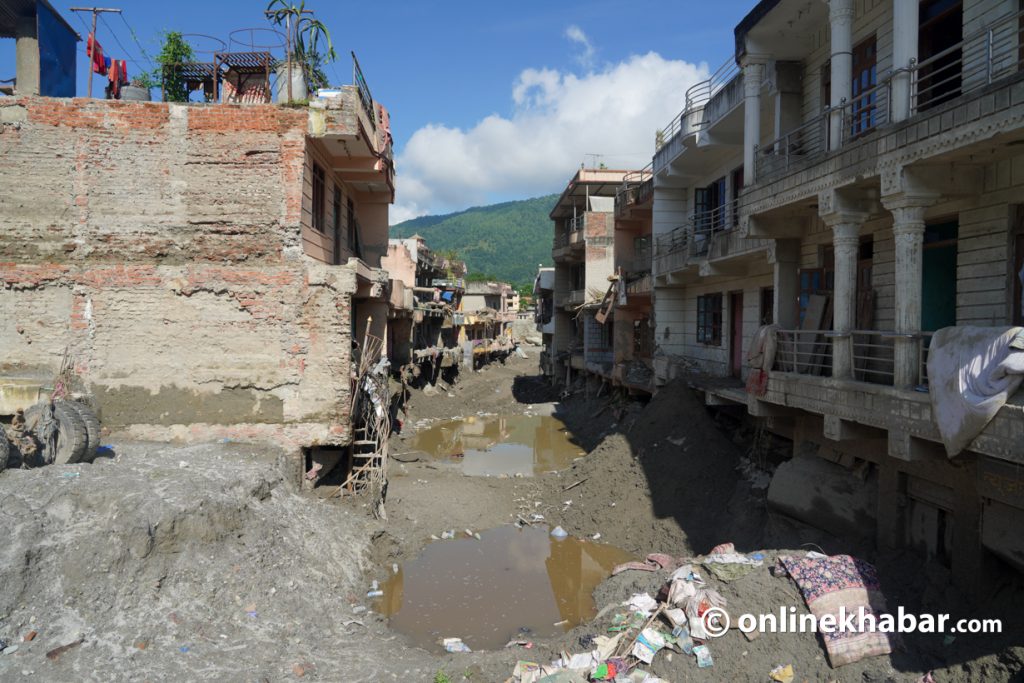
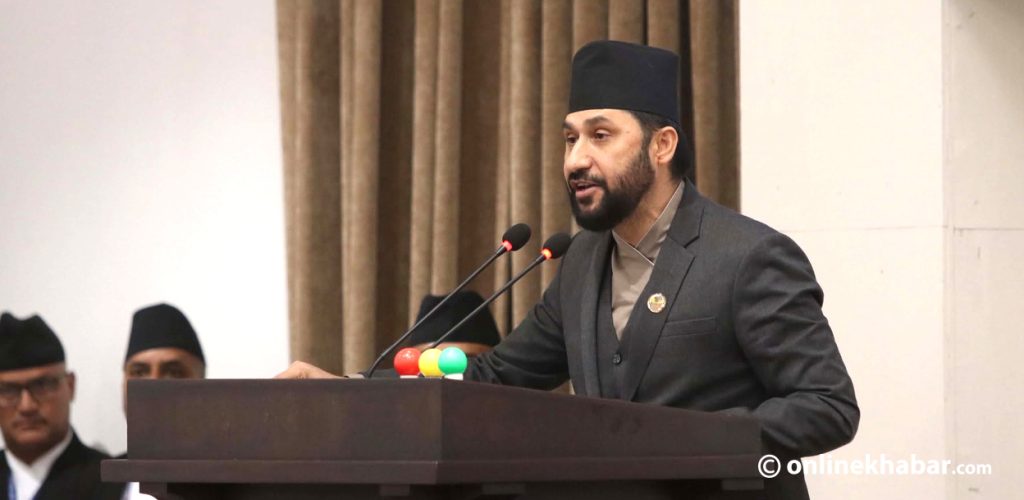
The day after the devastating flood in Rasuwa, Rastriya Swatantra Party (RSP) chairperson Rabi Lamichhane proposed forming a high-level all-party mechanism to coordinate rescue, relief and rehabilitation efforts.
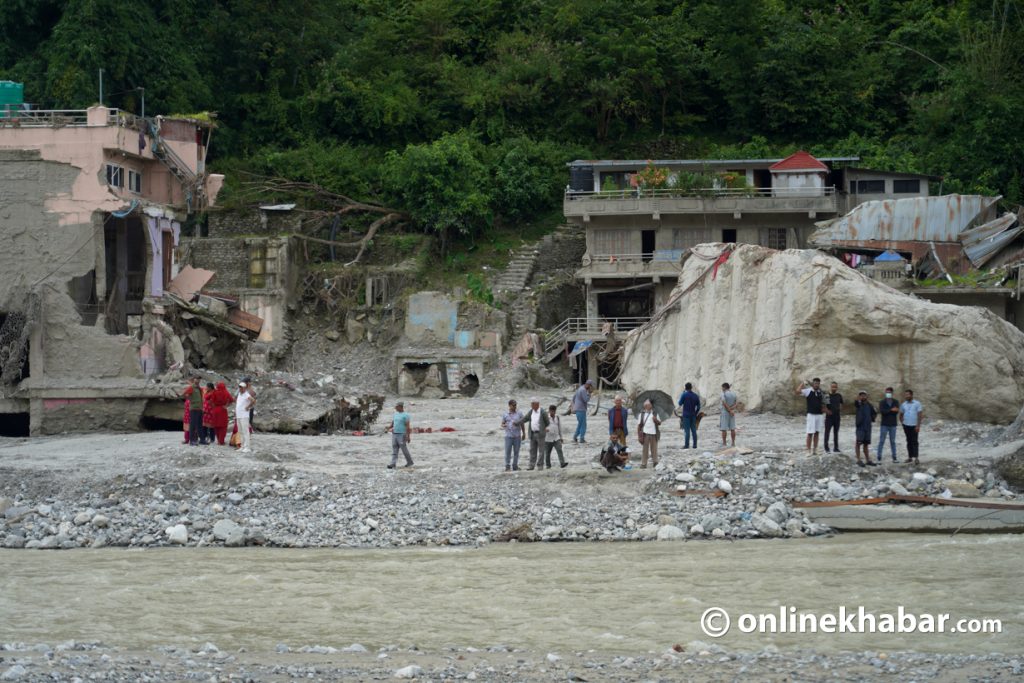
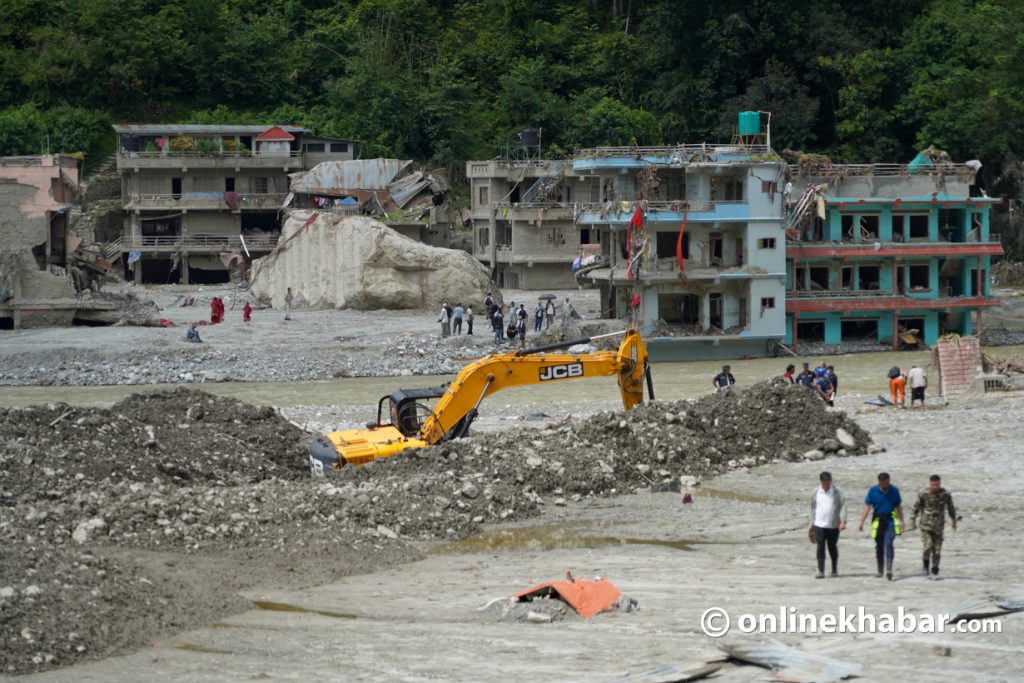
The proposal came after the Bhotekoshi flood on August 26. The following day, Lamichhane called an all-party meeting attended by senior leaders from the RSP, Nepali Congress, CPN-UML, Nepali Communist Party, Shram Sanskriti Party, Rastriya Prajatantra Party, Janata Samajbadi Party and Janamat Party.
During the meeting, Lamichhane proposed forming an all-party, parliamentary or broader political committee to support the government from the rescue and relief phase through rehabilitation.
“Let’s form an all-party, parliamentary or broader committee from rescue and relief to rehabilitation. It would make it easier for the government to make decisions,” he had said.
Other parties agreed to the proposal. The meeting issued a 10-point commitment that included forming a high-level all-party mechanism to work on long-term disaster management.
The 10th point of the commitment stated that the parties had agreed to form a parliamentary committee to support and monitor reconstruction after disasters, climate adaptation, timely reforms to the national disaster policy and the government’s response.
The proposed mechanism was also envisioned as a platform for building national consensus on disaster preparedness and sustainable development, rather than functioning only during times of crisis.
However, 18 days after the agreement, the mechanism has yet to be formed.
Proposal also raised in Parliament
Lamichhane has continued to raise the issue in Parliament.
Addressing a meeting of the House of Representatives on September 9, he called for the Rasuwa flood to be declared a climate-related disaster of national importance and demanded the formation of an all-party parliamentary special committee to investigate its causes and damage and help take the issue to the international level.
“Let’s declare the current flood a climate-related disaster of national importance. Let’s form an all-party parliamentary special committee to investigate its causes and damage and internationalise the issue,” he said.
The proposal has also received support from opposition parties.
Speaking in the House on September 11, Nepali Communist Party lawmaker Barshaman Pun said disaster management was not the responsibility of any single ministry, government or level of government.
He called for a national mechanism bringing together political parties, security agencies, experts, local communities and other relevant stakeholders.
Pun also expressed his party’s support for Lamichhane’s proposal to form an all-party parliamentary special committee.
“We would like to express, on behalf of the Nepali Communist Party, our support for RSP chairperson Rabi Lamichhane’s proposal to form an all-party parliamentary special committee to deal with this disaster,” he said.
Despite the support, the process of forming the committee has not moved forward.
What kind of mechanism should be formed at the centre?
A second round of all-party discussions was held on September 1, focusing on the proposed high-level all-party mechanism.
The meeting, attended by second-tier leaders, agreed to coordinate with the government on rescue, relief and rehabilitation efforts.
After the meeting, RSP spokesperson Jagadish Kharel said conditions had been created for forming all-party mechanisms at the provincial, district and local levels.
“The provinces, districts and local levels can form their own mechanisms. At the centre, discussions are still ongoing,” Kharel told Onlinekhabar on September 7.
According to Kharel, two options were being discussed for the central mechanism — a parliamentary committee or a high-level political mechanism outside Parliament.
A parliamentary committee would have a legal mandate but could also be seen as creating a structure parallel to the government, he said. Therefore, the possibility of forming a political mechanism outside Parliament was also being considered.
“There has been discussion about forming a mechanism comprising top leaders to provide political direction on policy issues. There has also been discussion about forming a task force under such a top-level mechanism,” Kharel said.
There was also discussion about establishing a permanent high-level political mechanism that could work on disaster-related issues over the long term, regardless of which political party is in government.
“It would be effective if we could establish a permanent, high-level political mechanism that could work on disasters in the long term, regardless of which party is in government,” Kharel said.
However, no decision has yet been reached on what kind of mechanism should be established at the centre.
‘A proposal made by the ruling party chair should be implemented’

Nepali Communist Party chief whip Yubaraj Dulal argues that the government and the ruling party itself should take concrete steps to implement the proposal because it was initially put forward by RSP chairperson Lamichhane.
“It has been almost a week since the RSP chairperson spoke about this issue in the House of Representatives. But there has been no formal decision to hold another meeting,” Dulal said.
Opposition parties have also held separate discussions on the matter.
On September 10, a meeting of opposition parties represented in the House of Representatives was held at Singha Durbar. According to Dulal, the meeting discussed the proposed committee’s terms of reference, legal status and authority.
“We discussed what the legal status of the committee would be. We discussed making its mandate effective, including a provision that after monitoring and issuing directions, the government should implement them,” he said.
The opposition parties also decided to draw the government’s attention to the need for a parliamentary special committee to make disaster management, relief, rescue, search and rehabilitation efforts more effective.
According to CPN-UML deputy parliamentary leader Padma Aryal, the opposition decided to urge the government to form a parliamentary special committee to monitor and inspect government rescue and relief operations, provide additional recommendations and facilitate necessary action through Parliament.
Opposition leaders have said they will continue to raise the issue in Parliament and press the government to form the committee.
However, the government has not formed such a committee so far.
Political leadership remains a question
An RSP office-bearer who has been involved in discussions over Lamichhane’s proposal says another question has emerged — who should provide political leadership to the proposed mechanism?
The RSP leader argues that the proposal should now move beyond discussion and into implementation.
“There would have to be a disagreement between the prime minister and the party chair. Otherwise, the ruling party chairperson himself proposed it. The chairperson also raised it in Parliament. It should be implemented,” the leader said.
The delay has left the fate of a mechanism that initially received cross-party support uncertain, even as the need for coordinated long-term disaster response remains on the political agenda.