Kathmandu, August 27
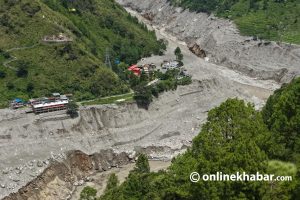
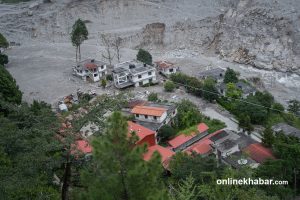
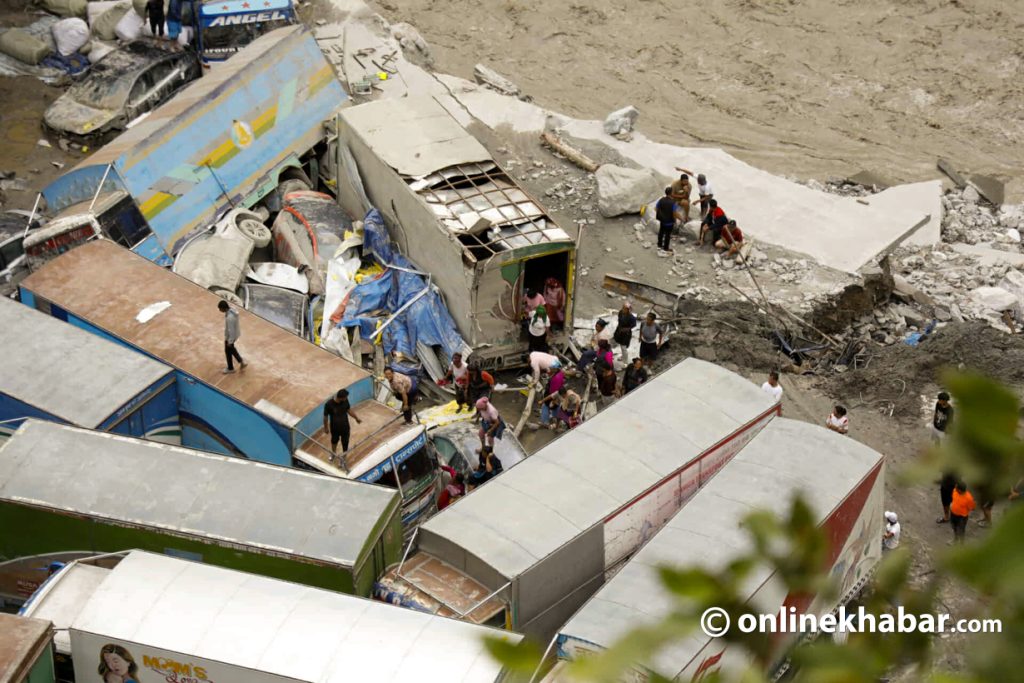
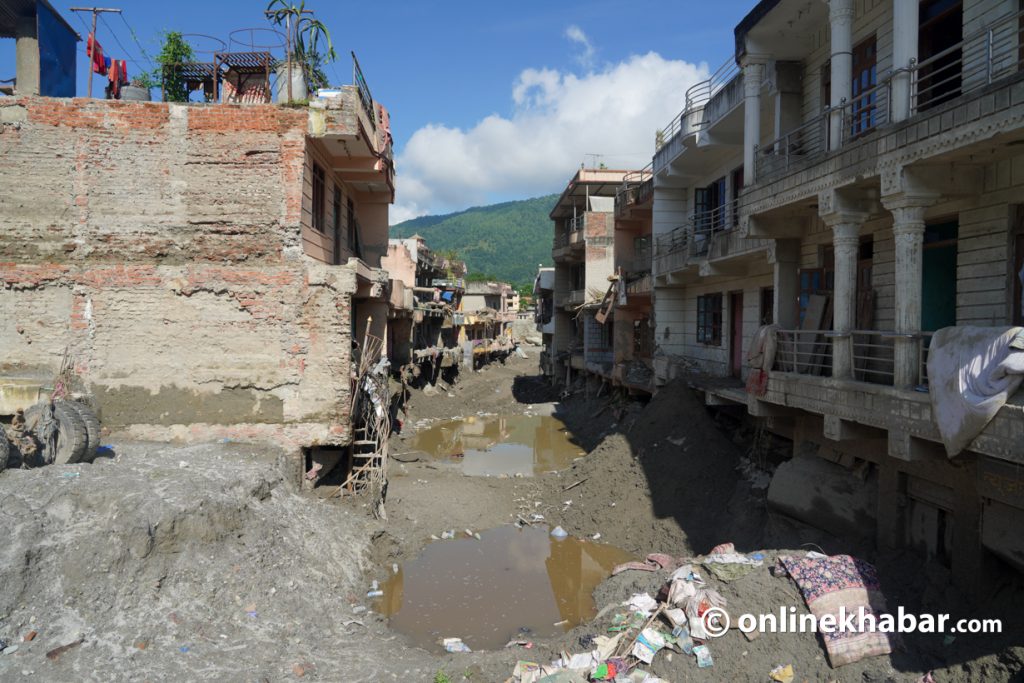
An all-party meeting has adopted a 10-point common resolution to respond to the human and physical losses caused by the unexpected flooding in the Bhotekoshi and other river basins along the Nepal-China border.
The meeting expressed deep sorrow over the loss of lives and damage reported in Rasuwa, Nuwakot, Dhading, Gorkha, Chitwan, Nawalparasi and other districts. It paid tribute to those who died in the disaster and extended condolences to their bereaved families.
The political parties also agreed that the state must take responsibility for the treatment and care of those injured in the disaster, as well as provide psychosocial counselling.
Describing the disaster as a test of national unity, the parties pledged to rise above political differences and prioritise the protection of citizens’ lives and the national interest.
The 10-point common resolution includes:
- Depoliticising relief efforts: Political parties will avoid competition in rescue and relief operations and work cooperatively. Party leaders and cadres will be mobilised solely as humanitarian volunteers.
- One-door system for financial assistance: Parties and individuals will be discouraged from collecting donations independently. Contributions will instead be deposited through the government’s official disaster relief fund or an account designated by the government.
- Responsible use of social media: Parties have called for verified information to be shared while avoiding misinformation, exaggerated content and material that could violate the privacy and dignity of disaster victims.
- Scientific study of glacial lakes: The government will immediately conduct scientific studies and mapping of Nepal’s high-risk glacial lakes. The parties also called for efforts to establish a joint scientific and technical mechanism with China to study high-risk glacial lakes on the Chinese side and reduce associated risks.
- Disaster diplomacy and early-warning systems: Nepal and China should institutionalise real-time data sharing and develop reliable, technology-based early-warning systems, taking into account transboundary river systems.
- National unity and inclusive rescue: The role of local governments as first responders should be strengthened, while rescue and relief efforts should prioritise women, children, senior citizens and persons with disabilities.
- Resilient reconstruction and zero tolerance: Damaged infrastructure should be rebuilt to higher safety and resilience standards. Those involved in black-marketing, artificial shortages and misuse of relief supplies should face strict legal action.
- Raising the issue of climate justice: Nepal should effectively raise the issue of climate-induced loss and damage at international forums and seek support from the international community and development partners based on climate justice.
- Appeal for international assistance: The parties called for humanitarian, technical and financial assistance from the United Nations, development partners, international non-governmental organisations, friendly countries and the Nepali diaspora for rescue, relief, rehabilitation and reconstruction.
- Formation of a high-level all-party mechanism: A parliamentary committee should be formed to provide continued advice, support and oversight of government efforts related to post-disaster reconstruction, climate adaptation, disaster risk reduction and reforms to national disaster policies.
The meeting also highly praised the contributions of the Nepali Army, Nepal Police, Armed Police Force, health workers, civil servants and volunteers involved in the disaster response.
The parties expressed their commitment to turning the disaster into an opportunity to strengthen national unity, improve disaster preparedness and promote resilient reconstruction.
The joint statement was signed by Rastriya Swatantra Party chair Rabi Lamichhane, Nepali Congress president Gagan Thapa, Nepali Communist Party coordinator Pushpa Kamal Dahal, CPN-UML general secretary Shankar Pokhrel, Shram Sanskriti Party chair Dhruva Rai, Rastriya Prajatantra Party chair Rajendra Lingden, Janata Samajbadi Party chair Upendra Yadav and Janamat Party general secretary Chandan Singh.