

Urinary tract infections (UTIs) are common and can often disrupt normal day-to-day life. Symptoms include a burning sensation during urination, an increased urge to urinate, blood in the urine, lower abdominal pain, fever, itching and redness around the external genitalia. Drinking approximately six to eight glasses of water a day and maintaining good hygiene are important measures to help prevent UTIs.
Laboratory analysis of urine samples helps detect bacteria, fungi, viruses, white blood cells and red blood cells, which may indicate an infection. Identifying the specific microorganism responsible for an infection helps prevent the unnecessary use of broad-spectrum antibiotics. Excessive and inappropriate antibiotic use can contribute to antibiotic resistance. Therefore, selecting antibiotics targeting Gram-positive or Gram-negative bacteria based on urine culture results is important.
Various foods, including green leafy vegetables, beetroot, spinach and processed meats, contain nitrates. The use of nitrogen-based fertilisers and consumption of nitrate-contaminated drinking water may also increase nitrate levels in the body.
Nitrates are absorbed in the small intestine, circulate throughout the body and are excreted through the kidneys. After consuming nitrate-rich foods, approximately one-quarter of the absorbed nitrate is taken up by the salivary glands and secreted into saliva. Oral bacteria convert some of these nitrates into nitrites through the action of the enzyme nitrate reductase. In the acidic environment of the stomach, nitrites are subsequently converted into nitric oxide.
Nitric oxide has several beneficial effects on the human body. It acts on the endothelium of blood vessels as a potent vasodilator and also modulates mitochondrial function. However, nitrite can react with haemoglobin in the blood to form methemoglobin, which interferes with the blood’s oxygen-carrying capacity and can lead to methemoglobinemia. This condition can be particularly serious in infants.
Gram-negative bacteria such as Escherichia coli, Proteus mirabilis, Klebsiella pneumoniae and other members of the Enterobacteriaceae family are among the major microorganisms responsible for UTIs. These bacteria use the enzyme nitrate reductase to convert nitrates into nitrites.
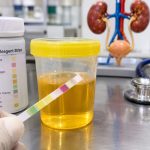
The urinary nitrite dipstick test is commonly used to screen for bacterial UTIs. A positive nitrite test suggests the presence of nitrate-reducing bacteria in the urinary tract. However, not all microorganisms responsible for UTIs are capable of producing nitrites. Examples include Enterococcus faecalis, Staphylococcus saprophyticus and Pseudomonas aeruginosa, which can cause UTIs but do not typically produce nitrites.
For the test to detect nitrites, bacteria in the urinary tract generally need sufficient time to convert urinary nitrates into nitrites. If urine remains in the bladder for less than four hours, the bacteria may not have sufficient time to produce detectable levels of nitrites, potentially resulting in a false-negative test. Additionally, the presence of vitamin C in urine may interfere with the test and mask the presence of nitrites.