

A forensic doctor sees bodies constantly. But nothing prepared Dr Salmali Yadav for what she found in Rasuwa’s flood zone.
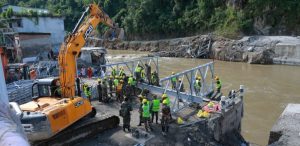
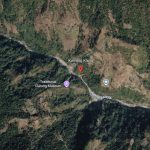
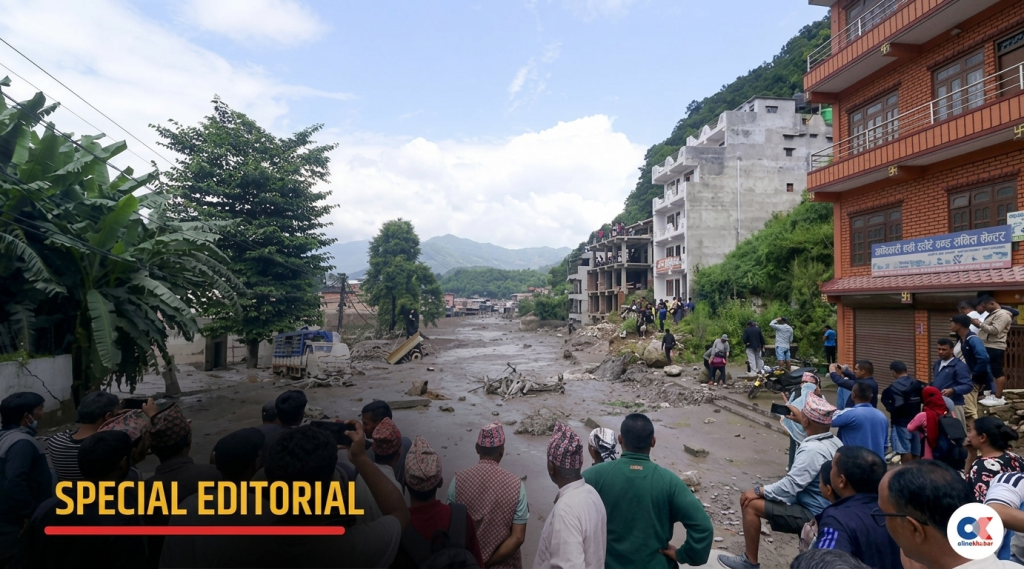
After the Bhote Koshi flood on August 26, Yadav’s forensic team was deployed to identify the dead in Timure, Syafrubensi, and nearby areas of Rasuwa. She’d assumed bodies would be brought to a hospital for examination, as usual. But once she reached Dhunche, she learned there was no road; the team would have to work at Timure itself, the site of the worst destruction.
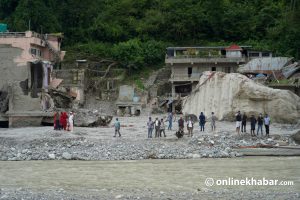
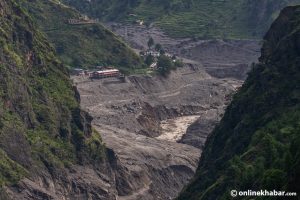
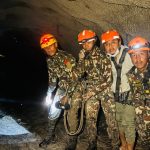
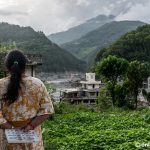
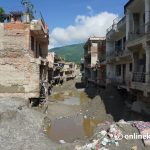
Flying in by helicopter on the morning of August 30, she recalled that the scene below looked like something out of a film; barely a building was left standing.
Working without a mortuary
There was no running water, no equipment, no proper space to lay out remains. The team had to carry buckets of water to wherever a body was found, just to clean it enough to examine. Many bodies were unrecognisable by face, so the team had to painstakingly note tattoos, scars, jewellery, and any scrap of remaining clothing, anything that might eventually help a family confirm identity.
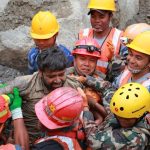
On the first day, they processed seven cases. By the second day, the count of recovered bodies had reportedly reached around a hundred. The waterlogged ground made even walking to each site dangerous. At one point, Dr Yadav’s foot sank into the mud, and she had to be pulled out by army and police personnel.
Among the many cases, one affected her most — the body of a pregnant woman, her body badly damaged by the flood and decomposition, from which a roughly five-month-old fetus had emerged as the body deteriorated. Dr Yadav said the image still resurfaces in her mind and unsettles her even now.
Syafrubensi diaries

At Syafrubensi, the ground was marsh-like and unsafe even to land a helicopter on. The team sank in as soon as they stepped down, and for a moment worried about their own survival rather than the work ahead.
With no cold storage or permanent facility to preserve remains, and no safe ground to bury them either, the team pushed for the recovered bodies to be transported to Kathmandu instead. This was eventually arranged with coordination from local government, army, and security personnel.
The aftermath
Dr Yadav returned to Kathmandu but says her mind is still there, with one persistent question: will the details her team collected be enough to reunite these bodies with their families?
She noted how different this kind of frontline disaster work is from the controlled conditions of a hospital morgue.
As of the report, 1,388 bodies had been recovered from the Rasuwa floods, with around a hundred identified so far; DNA sampling continues for the rest, while 5,130 people remain missing.