Kathmandu, September 8
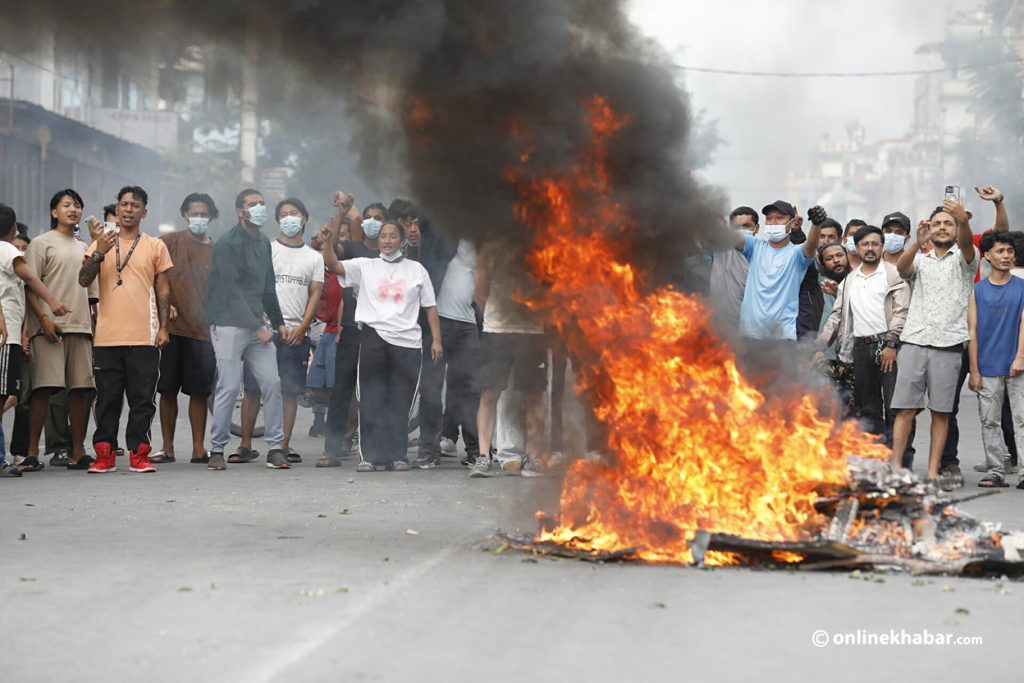
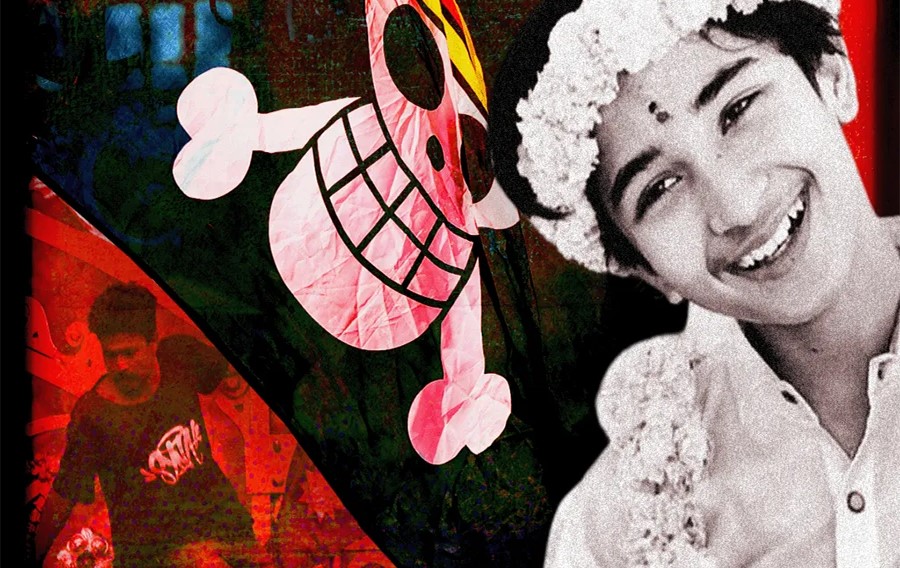
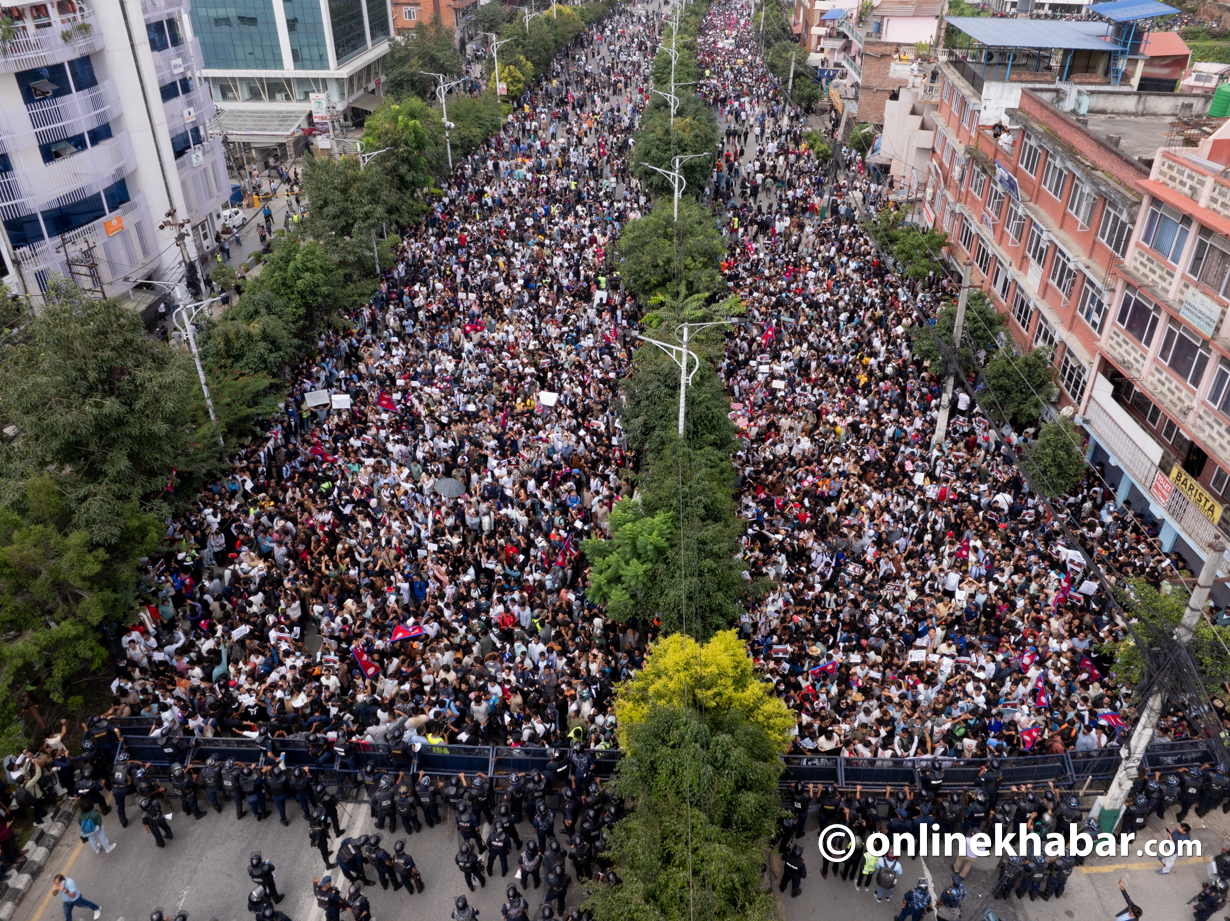
On the first anniversary of Nepal’s Gen Z uprising, the Nepal Gen Z Front has released a document questioning the government and political leadership over what has happened to the movement’s core demands a year on.
The Front said the anniversary should be used to assess the progress made on the issues that brought young people to the streets last year, including good governance, accountability, transparency, institutional reform and digital rights.
The debate paper, released Tuesday, raises questions ranging from the implementation of the 10-point agreement between the government and Gen Z representatives to the cases against protesters, the rights of landless citizens, the role of parliament, health insurance, the investigation into the September 8 and 9 incidents and reform of the security agencies.
Nepal Gen Z Front has particularly questioned the continued detention and prosecution of Gen Z protesters despite the government’s commitment to withdraw cases and release those arrested in connection with the movement.
Under the headline “Gen Z in jail, leaders on the power train?”, it asks whether political leaders who claim the movement’s political achievements also accept responsibility for those who participated in it.
The paper also argues that several substantive commitments in the 10-point agreement remain largely unimplemented.
The agreement, signed on December 10, 2025, included commitments on free healthcare, education and employment for victims, institutional reform, investigations into the September 8-9 incidents, security-sector reform, ending political appointments, electoral reforms and protection of digital rights.
The Gen Z Front says visible commitments such as declaring victims martyrs and providing compensation and interim relief have moved forward, while issues involving structural reform, accountability and investigations remain stalled.
It has raised the following 12 questions:
1. Gen Z in jail, leaders in power?
Why are hundreds of protesters still facing cases or in detention despite the agreement to withdraw cases and release them? Does claiming the movement’s political gains also mean accepting responsibility for its victims?
2. Why are landless citizens repeatedly targeted?
Why does the state demolish settlements and evict landless and squatter communities without providing alternatives, despite constitutional guarantees of housing and land rights?
3. Is parliament for governing or bypassing?
Why is parliament increasingly being reduced to political theatre while important legislation is rushed through and governments increasingly rely on ordinances?
4. Why does the prime minister keep “slipping up”?
When the prime minister makes controversial or constitutionally and diplomatically sensitive remarks, who bears the consequences—the prime minister or the country?
5. Reform health insurance or let it collapse?
Why is a programme designed to provide affordable healthcare being weakened by funding shortages, unpaid hospital bills and management failures?
6. When will there be “Straight Talk with the Prime Minister”?
Why have politicians who once built their reputations by questioning those in power become reluctant to face questions from citizens, journalists and parliament after taking office?
7. When will the investigations happen?
Why are reports into the September 8-9 violence still not fully public, and why have those responsible not faced clear accountability?
8. How long will citizens keep being killed?
Why has excessive force against protesters continued despite repeated changes in governments, political parties and movements?
9. Where is the new party’s “filtration mechanism”?
What system do new political parties have to test the competence, integrity, ethics and democratic credentials of those seeking political and public office?
10. Is signing an agreement enough?
Why have the government and political leadership implemented the immediately visible parts of the 10-point agreement while leaving institutional reform, accountability, security reform, transparency and digital rights largely untouched?
11. What is the difference between Facebook likes and public opinion?
Does what trends on social media actually represent public opinion, or are citizens’ questions and priorities increasingly being shaped by algorithms?
12. Is the movement itself ready to question itself?
If the Gen Z movement was built around questioning those in power, is it equally prepared to examine its own leadership, internal democracy, divisions, transparency and accountability?
The Gen Z Front said the September 8-9 violence resulted in the deaths of 76 people, including 19 people killed on the first day of the protests. The government has previously declared 45 of those killed in the incidents as martyrs.
The Nepal Gen Z Front criticised both the interim government formed after the uprising and the current elected government for failing to adequately address the violence and implement the commitments made to the movement.
It said Nepal has gone through three governments with different political circumstances and objectives since the uprising, but has seen little fundamental change in the style of governance.
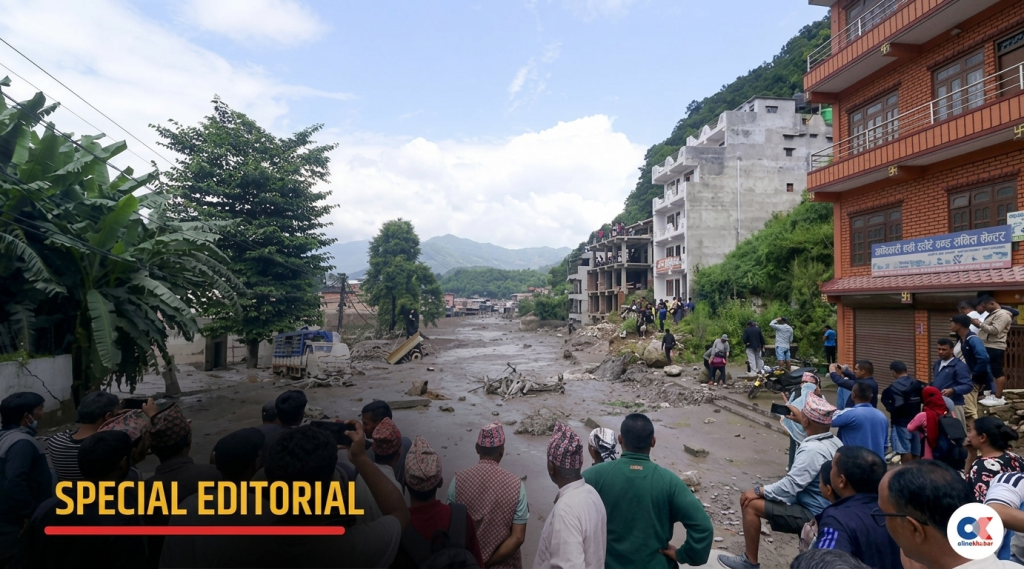
The organisation also acknowledged the current government’s efforts to respond to the devastating Trishuli-Bhotekoshi floods in Rasuwa, saying supporting citizens awaiting rescue and relief should remain a priority.
However, it argued that supporting the state during a disaster does not mean abandoning democratic scrutiny.
“Have we forgotten how to ask questions?” the Front asks in its paper, arguing that the core demands of the uprising—good governance, accountability, transparency and digital rights—must continue to be examined.
Nepal Gen Z Front concludes that the questions raised on the streets a year ago have not disappeared.
It argues that the state initially attempted to silence those questions with force, while it is now responding to them with silence.
For the Nepal Gen Z Front, the real test of the uprising will be whether the state eventually stops treating those who ask questions as adversaries and begins providing answers.
Until then, the Front says, it will continue to ask questions.