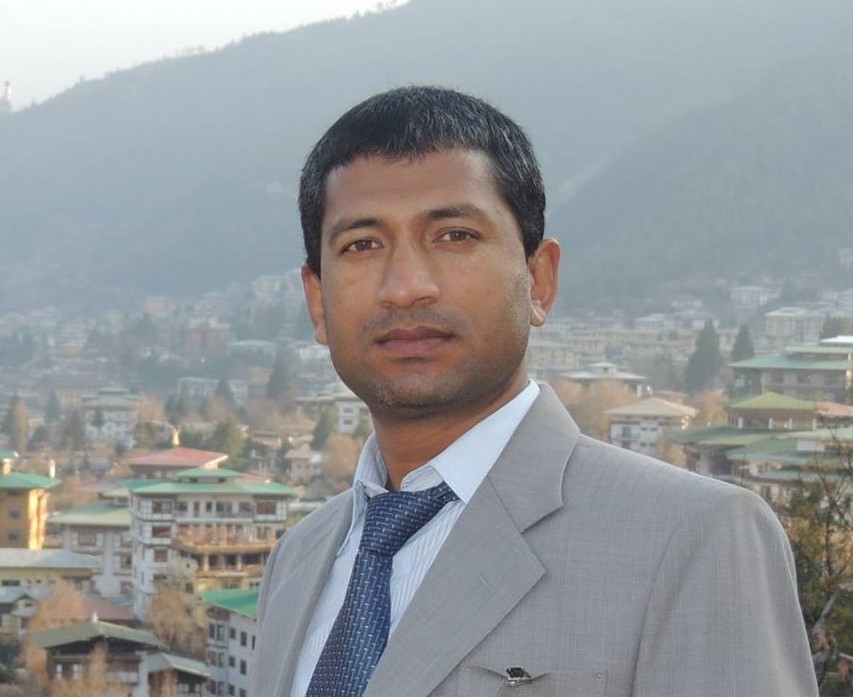

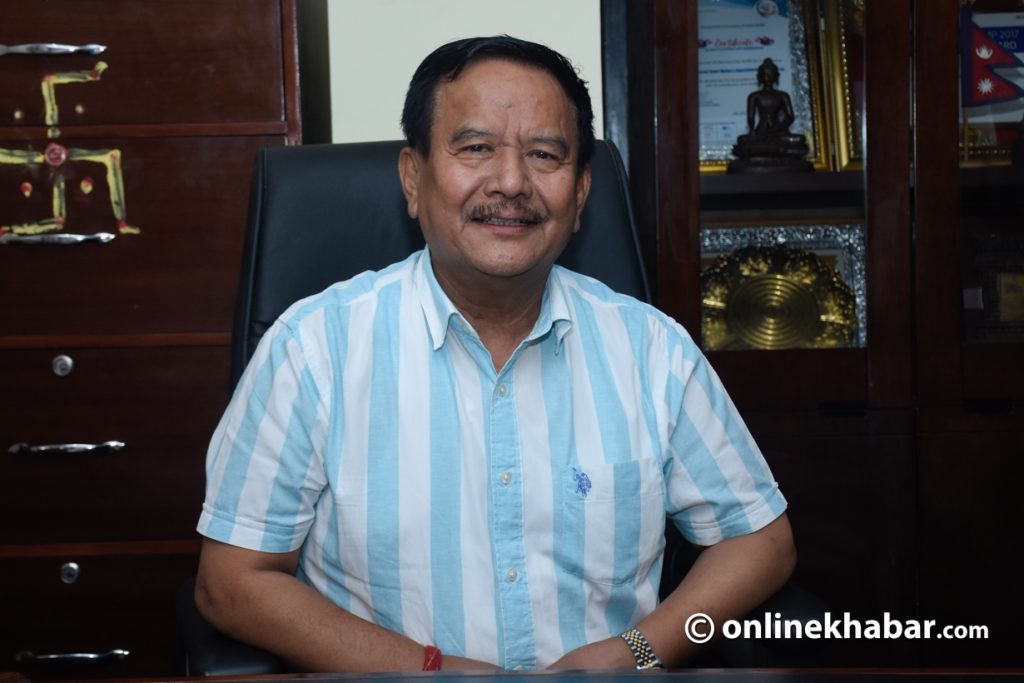
It takes immense hard work, commitment, courage, investment, perseverance and patience to build a business from scratch. Few examples illustrate this better than businessman Min Bahadur Gurung.
Four decades ago, in 1984, Gurung rented a small shop in Kathmandu’s Naxal area with a different dream and started a business that would eventually set a distinct benchmark in Nepal’s business and entrepreneurship sector.
That business was Bhat-Bhateni Departmental Store.
What started from a single rented shop eventually became synonymous with investment, employment and the belief that it is possible to build something in Nepal itself. The scale of Bhat-Bhateni’s growth—with more than two dozen stores across the country—offers a glimpse of the effort that went into building it.
Over four decades, Gurung worked relentlessly to transform the small store he started in Naxal into a nationwide retail chain employing thousands of people.
He had been working towards his plan of gradually expanding Bhat-Bhateni across all 77 districts. But on September 9, 2025, that journey suffered a major setback.
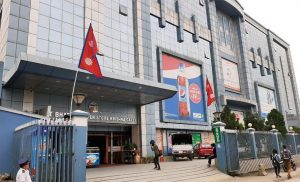
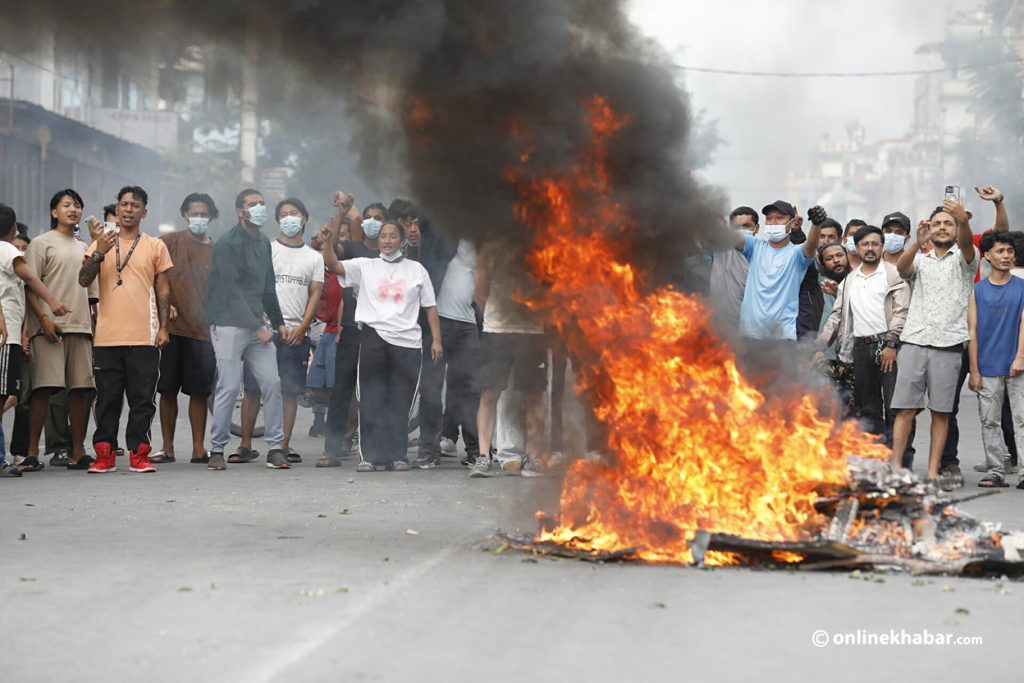
The Gen Z protests that began on September 8, turned violent, with government property as well as private businesses facing vandalism, looting and arson. Among the major targets of the protests were Gurung’s Bhat-Bhateni stores.
As resilient as he is, Gurung did not give up.
He worked day and night. Tens of thousands of employees stood by the company, while millions of customers offered their support and encouragement. And, nearly a year later, Bhat-Bhateni has finally managed to rise again.
“We were able to rebuild Bhat-Bhateni because of the support of tens of thousands of employees associated with us and the backing, encouragement, trust, love, faith and inspiration of millions of consumers,” Bhat-Bhateni Super Store Chief Operating Officer (COO) Panu Poudel told Onlinekhabar. “We are proud to have reached this point.”
Poudel says there was a moment when the extent of the destruction made them wonder whether the stores could ever be rebuilt.
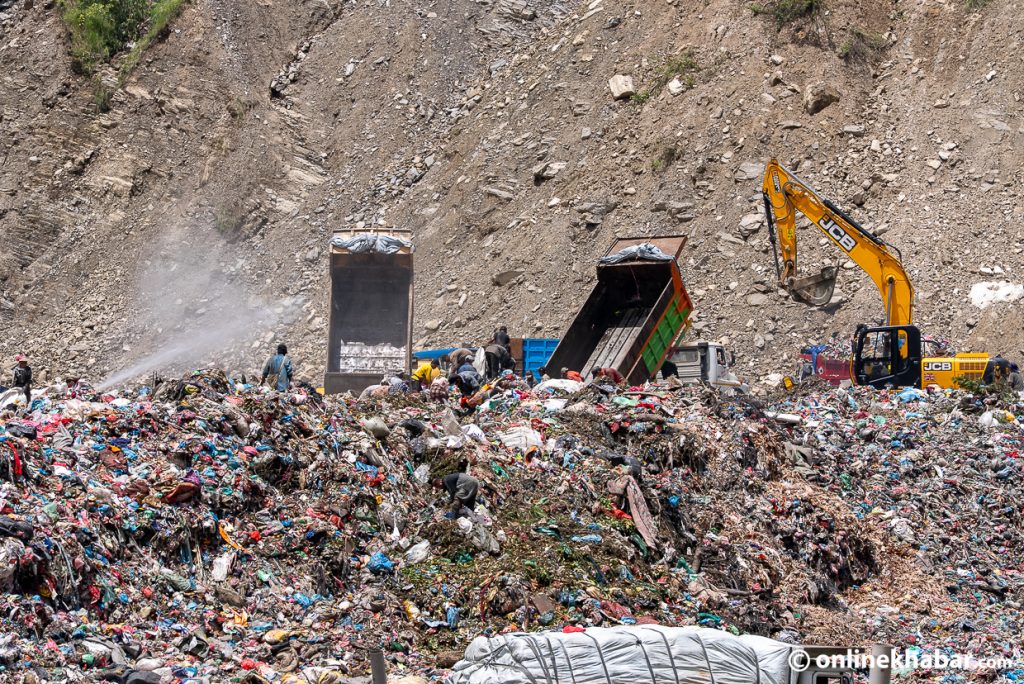
Of the more than two dozen stores established with billions of rupees in investment, almost all except one or two were vandalised, looted or set on fire.
“But the courage shown by Executive Chairman Gurung, along with the love and trust of tens of thousands of employees and millions of consumers, became the main source of motivation for rebuilding Bhat-Bhateni,” Poudel said.
According to Poudel, Bhat-Bhateni suffered losses of around Rs 11 billion during last year’s Gen Z protests due to looting, arson and vandalism.
Since then, the company has spent an additional 20 to 30 percent of the amount of the original damage on reconstruction. That amounts to another Rs 2.2 billion to Rs 3.3 billion.
In total, the reconstruction of Bhat-Bhateni has cost nearly Rs 14 billion.
‘We have upgraded the buildings’
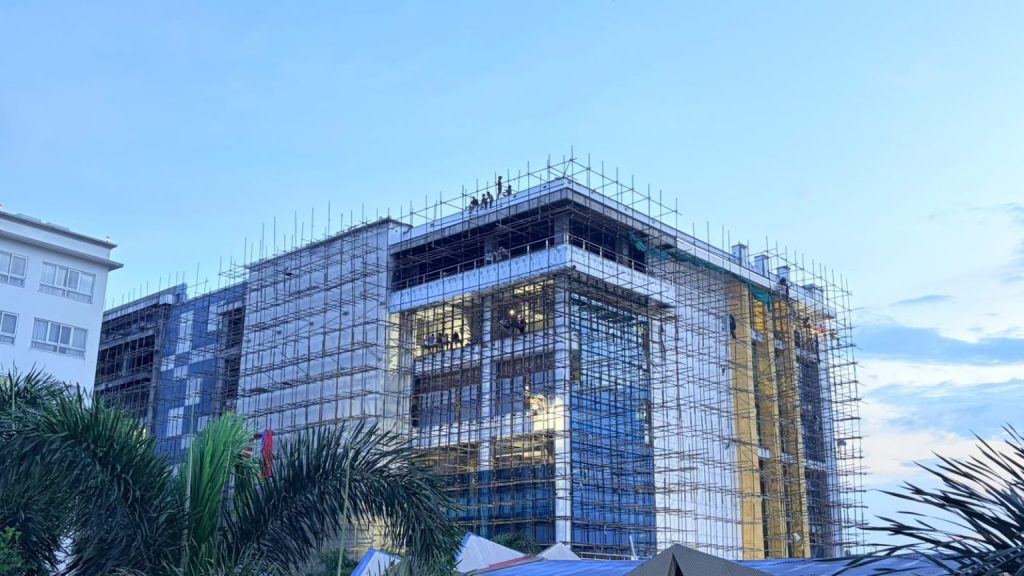
Poudel says the reconstructed buildings are different, as many of them have also seen a major upgrade.
“We have made the buildings more robust and upgraded the materials used in them. We have also spent on improving their appearance and aesthetics.”
Of Bhat-Bhateni’s 27 stores, 23 are currently operational.
The Dharan store is scheduled to reopen on September 9, followed by the Tangal store in Kathmandu on September 21. Once these two stores reopen, 25 Bhat-Bhateni outlets will be fully operational.
The remaining stores in Damak and Hetauda are expected to resume operations after Dashain.
Despite the scale of the destruction, the company says it did not reduce its workforce.
“Even though most of the stores were completely destroyed, we did not cut our employees. We brought back the same people who had been working with us,” Poudel said.
“We did not cut salaries either. We even provided bonuses during last year’s Dashain. Employees and their families are also our families. Supporting them through good times and bad has always been our chairman’s first priority.”
Poudel does not want to dwell on the events of a year ago.
“We moved forward rather than remembering the incident,” he said. “It would have been difficult to rebuild if we had remained stuck in the past, remembering the incident and regretting what happened.”
“We forgot everything and moved forward. We have now managed to stand again on the same foundation. We have no animosity, complaints or lingering memories about it anymore.”
Where are Bhat-Bhateni’s stores operating?

Poudel said all 23 of Bhat-Bhateni’s currently operating stores are expected to be in operation by October, while the remaining two damaged outlets will resume operations by December.
In addition, four new Bhat-Bhateni stores are currently under construction.
According to Poudel, construction of all four has reached its final stages.
The stores in Tandi, Chitwan, and Lekhnath, Pokhara, are being prepared for operation within the current fiscal year. The company plans to bring its outlets in Satdobato and Bhaisipati, Lalitpur, into operation from the next fiscal year.
What happened to Bhat-Bhateni during the Gen Z protests?
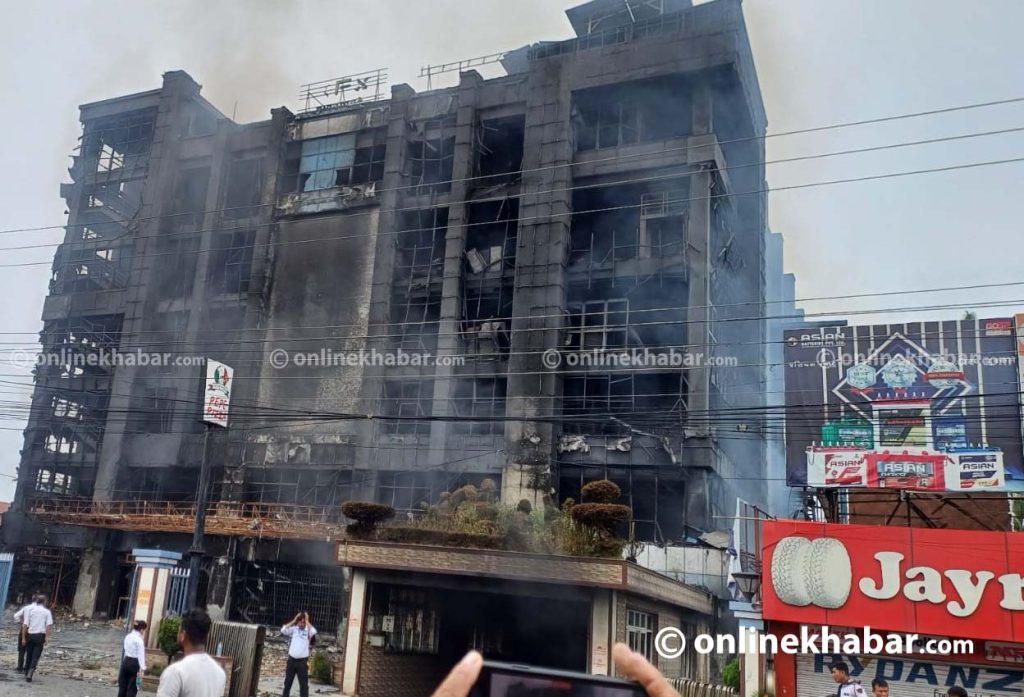
Of Bhat-Bhateni’s more than two dozen stores across the country, 12 were completely burned down and destroyed. All of them were major and large outlets.
According to Bhat-Bhateni management, the company’s Naxal store, which also houses its headquarters, as well as the stores in Maharajgunj and Bouddha and its outlets in Koteshwor and the Baluwatar warehouse, were vandalised, looted and set on fire.
All of these facilities were completely destroyed.
Similarly, Bhat-Bhateni stores in Pokhara, Chitwan, Hetauda, Birtamod, Damak, Biratnagar and Dharan were also completely destroyed.
Around a dozen other stores were vandalised and looted.
In Kathmandu Valley, the stores in Kalanki, Balaju and Thimi were vandalised and looted. Outside the Valley, similar incidents took place at the stores in Janakpur, Butwal, Birgunj, Dhangadhi, Itahari and Bhairahawa.
However, the protesters did not manage to set fire to these outlets.
Fortunately, several other stores escaped damage. The outlets in Tokha, Satdobato, Anamnagar, Sanagaun, Tripureshwor and Patan inside Kathmandu Valley, as well as the Nepalgunj store outside the Valley, were spared after escaping the attention of protesters.
Poudel said the company could not even determine exactly how much cash had been kept at the counters of stores that were vandalised, looted and burned.
The protesters took away not only goods but also cash.
According to Poudel, Bhat-Bhateni conducts transactions worth around Rs 106.8 million every day across its stores nationwide.
“That means our annual turnover is around Rs 39 billion,” he said.
When the Gen Z protests began, Bhat-Bhateni stores across the country were operating normally.
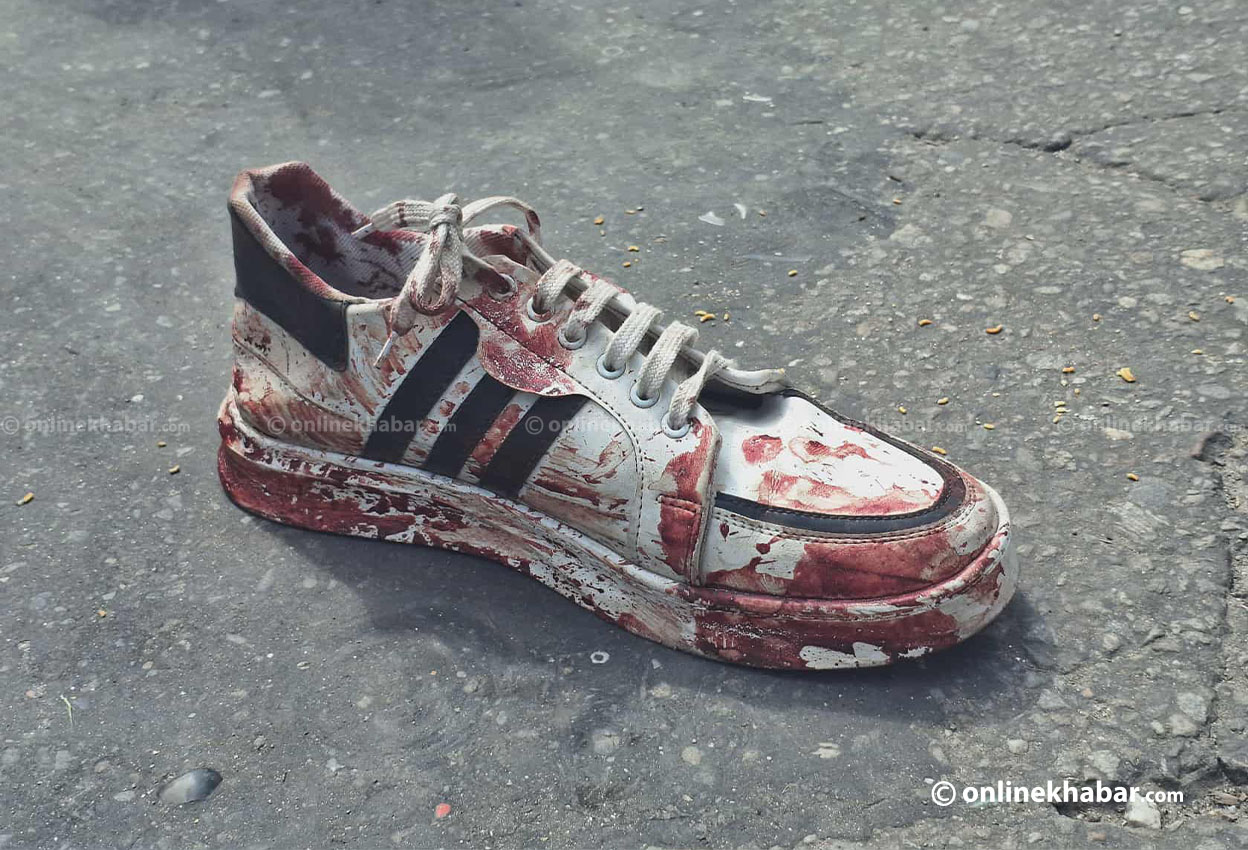
But after 19 people were killed on the first day following the firing on protesters, vandalism, looting and arson began.
Even after the government imposed a curfew, looting, vandalism and arson targeting Bhat-Bhateni continued into the second day.
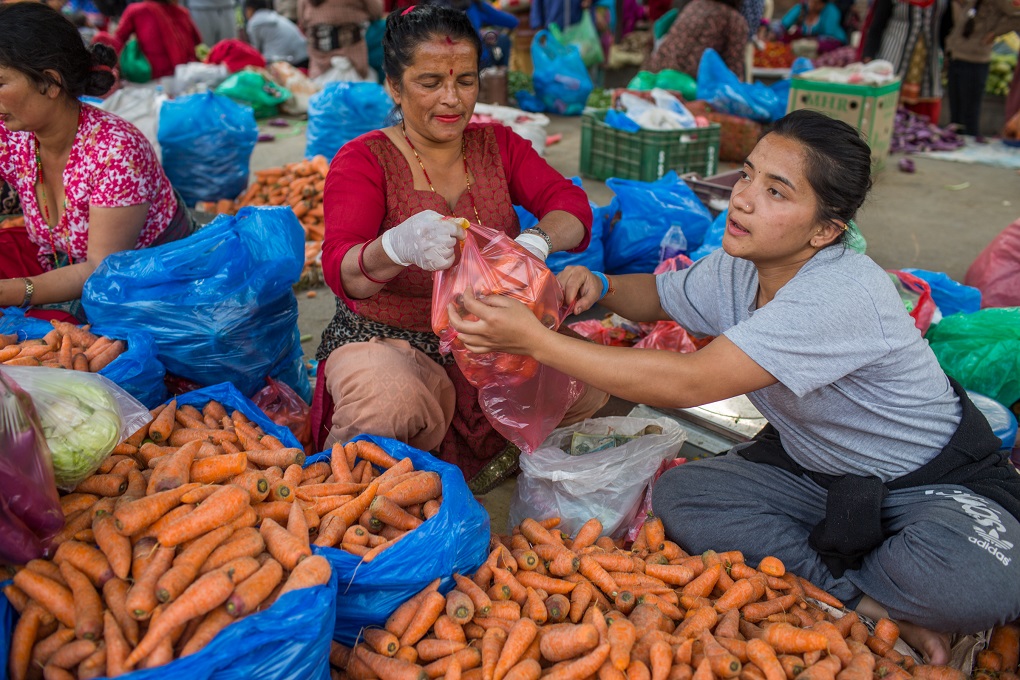
According to Poudel, each Bhat-Bhateni store provides direct employment to at least 500 people on average, with women making up a significant proportion of the workforce.
Across its warehouses and stores nationwide, Bhat-Bhateni provides direct employment to tens of thousands of people.
For a business that began four decades ago with a single rented shop in Naxal, the journey has now entered another chapter—one shaped not only by expansion and investment, but also by the determination to rebuild after one of the biggest setbacks in its history.