Kathmandu, September 1
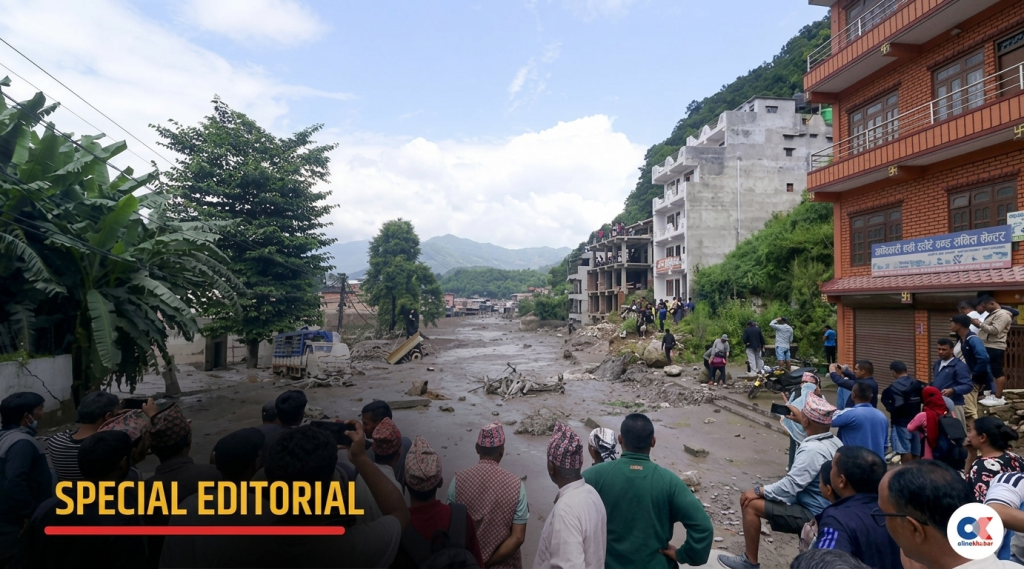
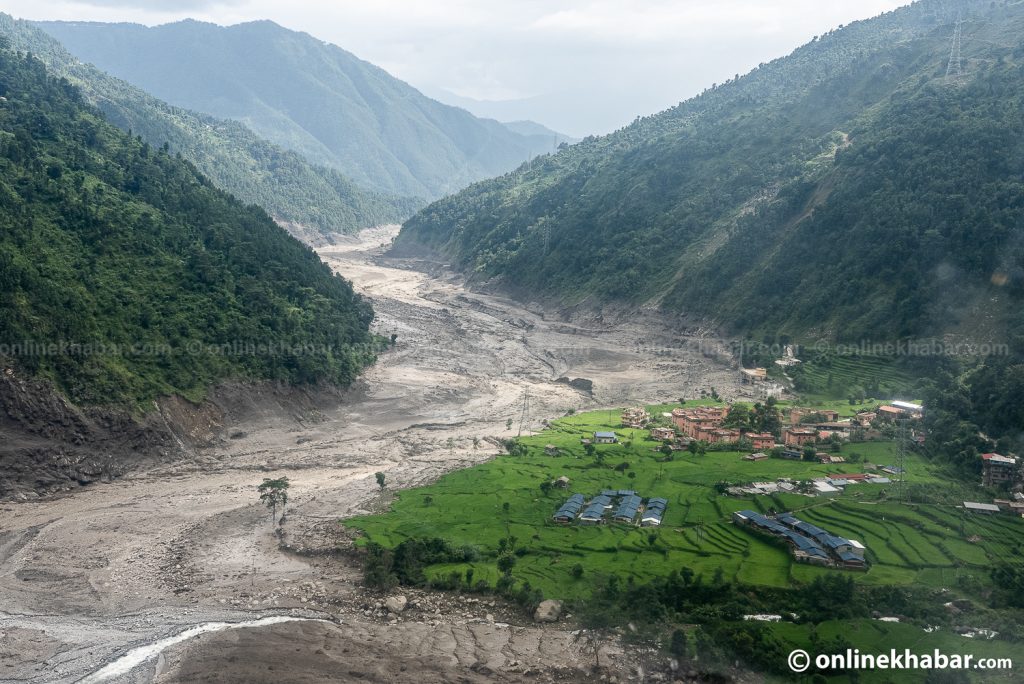
Four hydropower projects financed by commercial banks were damaged by the floods of August 26, putting around Rs 6.5 billion in bank loans at risk, according to a preliminary assessment by the Nepal Bankers’ Association.
The association said the 5-megawatt Mailung Khola Hydropower Project in Rasuwa was among the projects damaged by the flood. A consortium led by NMB Bank has provided Rs 258 million in loans to the project.
The 20-megawatt Langtang Khola Hydropower Project was also damaged. Banks have Rs 2.5 billion in loans invested in the project, with Laxmi Sunrise Bank leading the consortium.
The 37-megawatt Trishuli Hydropower Project in Nuwakot was also damaged by the flood that swept through the Bhotekoshi and Trishuli river systems. Nabil Bank has Rs 3.3 billion invested in the project.
The flood also damaged the Rasuwa Gadhi Hydropower Project, in which Nabil Bank has provided Rs 498 million in loans.
The association said several other projects with bank financing were not damaged by the flood. They include Blue Energy, Energy Engineering, Hiraratna Hydropower and Prime Hydropower.
Blue Energy, Energy Engineering and Hiraratna Hydropower are currently under construction, with investment from Nepal Investment Mega Bank. Prime Hydropower is a micro-hydropower project being developed with financing from Prabhu Bank.
Because multiple banks have invested in some of the damaged projects, the association said a detailed breakdown of how much each bank has invested is not yet available.
According to the association, there are eight hydropower projects with bank investment across Rasuwa, Nuwakot and Dhading. Four of the larger projects have been damaged by the Rasuwa flood.
Banks face growing risks in hydropower lending
Banks and financial institutions have been increasing their lending to the energy sector after Nepal Rastra Bank made such investment mandatory.
The central bank requires banks and financial institutions to invest 10 percent of their total loans in the energy sector.
A banker said banks have been lending to the sector despite the risks because of the mandatory lending requirement.
“Hydropower projects require infrastructure to be built in geographically difficult locations, where there is always a risk of natural disasters. That also puts banks’ investments at risk,” the banker said.
The banker said lending to hydropower projects has generally remained limited because such loans are project-based and banks have little incentive to invest in the sector without the central bank’s mandatory lending provision.
The Rasuwa flood has made the risks associated with hydropower investment even clearer, the banker said, adding that lending to the sector could decline in the coming days.