Kathmandu, September 1
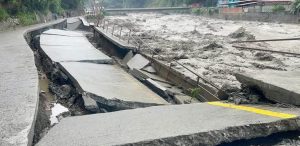
Minister for Energy, Water Resources and Irrigation Birajbhakta Shrestha has said the recent Bhotekoshi floods have highlighted the need to prioritise climate-resilient infrastructure in the future.
Speaking at a discussion and assistance handover program with officials of the Independent Power Producers’ Association, Nepal (IPPAN) at the ministry in Singha Durbar on Tuesday, Minister Shrestha said future infrastructure must be designed to withstand climate-related disasters while taking the country’s geographical conditions into account.
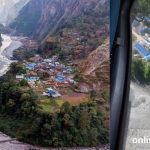
He said the geographical terrain and adverse weather conditions along the Bhotekoshi-Trishuli corridor make the area highly vulnerable to disasters, adding that similar floods in other major corridors of the country could cause enormous damage.
“Considering what happened in the Bhotekoshi-Trishuli corridor due to the effects of climate change, one can imagine the scale of destruction if something similar were to occur in our other major corridors,” he said. “After visiting the area, it is clear that its geographical conditions are particularly challenging, along with severe adverse weather conditions. Therefore, we have reached a point where we must carefully consider everything, from climate-resilient structures to other factors, when building infrastructure.” Minister Shrestha said future infrastructure projects must anticipate the potential impacts of climate change and be designed accordingly.
Praising IPPAN for its coordination and cooperation with the government during the disaster, he said continued collaboration was also necessary for policy reforms and exploring future opportunities. “We may have ideological differences and other differences, but at a time like this, we need to send a message, not only nationally but also to the international community, that we are all together,” he said.
He added that the government had called on the private sector to assist in the search and rescue of people believed to be trapped inside tunnels of hydropower projects, stressing that the state’s priorities and response were being applied equally during the crisis.