Kathmandu, August 25
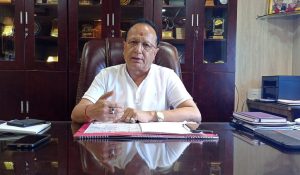
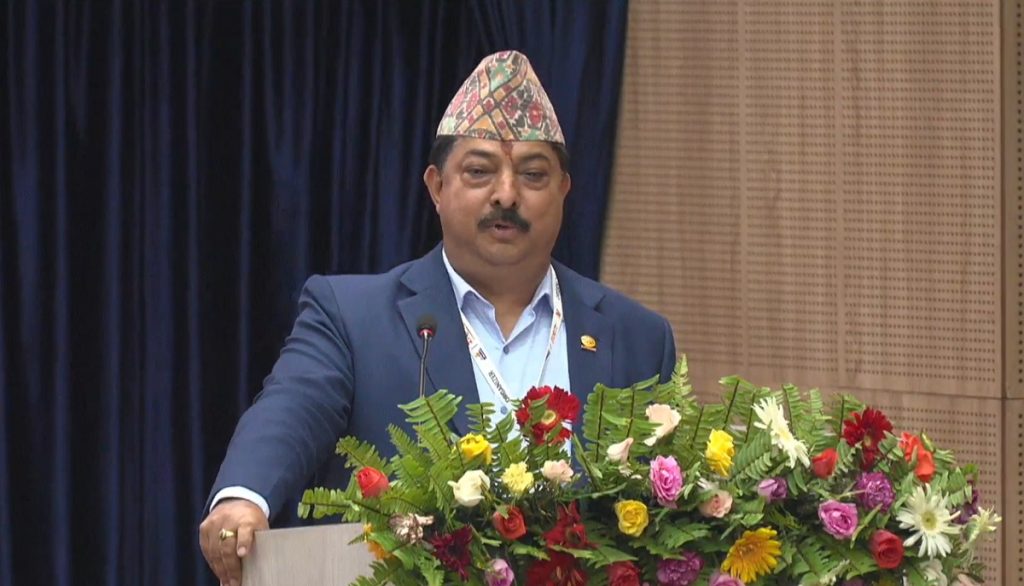
Anjan Shrestha, president of the Federation of Nepalese Chambers of Commerce and Industry (FNCCI), has said business confidence has fallen to its weakest level in the past 36 years.
Speaking at the opening ceremony of the 18th NADA Auto Show 2026, Shrestha said his 36 years of experience in the business sector had led him to conclude that business sentiment was currently at its lowest point.
He said the economy was facing challenges and the market remained sluggish.
“Overall demand has not increased, operating industries and businesses have become difficult, and businesspeople are facing difficult circumstances. Business confidence is at its weakest point in history,” he said.
Shrestha said the new government had failed to translate its budget commitments into action.
“The government has pledged through the budget to make the economy dynamic, increase per capita income to $3,000 within five to seven years, build a $100 billion economy and create 1.2 million jobs,” he said. “But the budget announcements have not moved forward.”
He said the government had failed to introduce strategies needed to implement those commitments and stressed that the time had come to restructure the economy.
Shrestha also highlighted the contribution of the automobile sector to government revenue. According to data he presented, Nepal imported automobiles worth Rs 106 billion in the last fiscal year, generating Rs 81 billion in revenue for the state.
“The government should prioritise a sector that alone contributes Rs 81 billion out of total revenue of Rs 1.2 trillion,” he said, calling for greater clarity in the government’s approach towards the automobile sector.
Shrestha said domestic industries should be established to reduce automobile imports and that such industries needed government protection.
“Some industries have been established, but the government has not paid attention to them or understood their problems,” he said.
He also criticised the government’s focus on reopening industries that have remained closed for decades, saying it had failed to pay sufficient attention to industries that are currently operating.
“While picking up what is on the ground, I want to caution the government that it should not end up dropping what it already has in its pocket,” he said.