
Kathmandu, August 23
The government is facing renewed pressure to introduce legislation governing ride-hailing services following the death of ride-hailing driver Ganesh Nepali, who died after a dispute with Kathmandu Metropolitan City police.
A probe committee formed following the incident has recommended that the government urgently formulate and implement laws regulating ride-hailing services.
The committee has also recommended incorporating traffic rules into the school curriculum and launching public awareness campaigns to improve compliance with traffic regulations.
The Ministry of Federal Affairs and General Administration has written to all rural municipalities and municipalities, directing them to implement recommendations made by the committee concerning local governments.
The ministry has also asked local governments to submit progress reports on implementation of the recommendations to the Peace, Security and Crime Control Division of the Ministry of Home Affairs.
Focus on public awareness to improve traffic compliance
The committee has recommended prioritising public awareness campaigns to promote a culture of following traffic rules.
It has suggested incorporating traffic rules and citizens’ responsibilities into school-level curricula and ensuring that these subjects are taught regularly. The committee has also called for greater emphasis on moral education.
It has recommended that traffic police and municipal police deal with citizens respectfully and transparently while enforcing the law, and that adequate training be provided to personnel.
Mechanism to review traffic fines
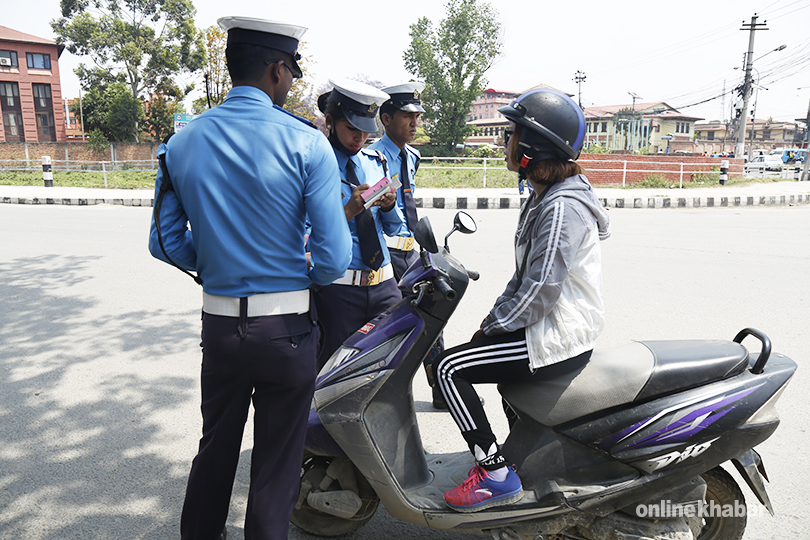
The committee has also recommended establishing a mechanism, such as a traffic court, where people can easily lodge complaints or appeal against actions taken by traffic or municipal police.
The mechanism would allow individuals to raise complaints either when they are facing action for an alleged traffic violation or after they have already been penalised.
It has further recommended giving police some discretion in enforcement, allowing them to consider the nature of an offence and the financial circumstances of the person involved when taking action.
Call for ‘faceless’ traffic management
The committee has called for modern technology and equipment to improve traffic management, alongside better road safety measures, road markings and parking facilities.
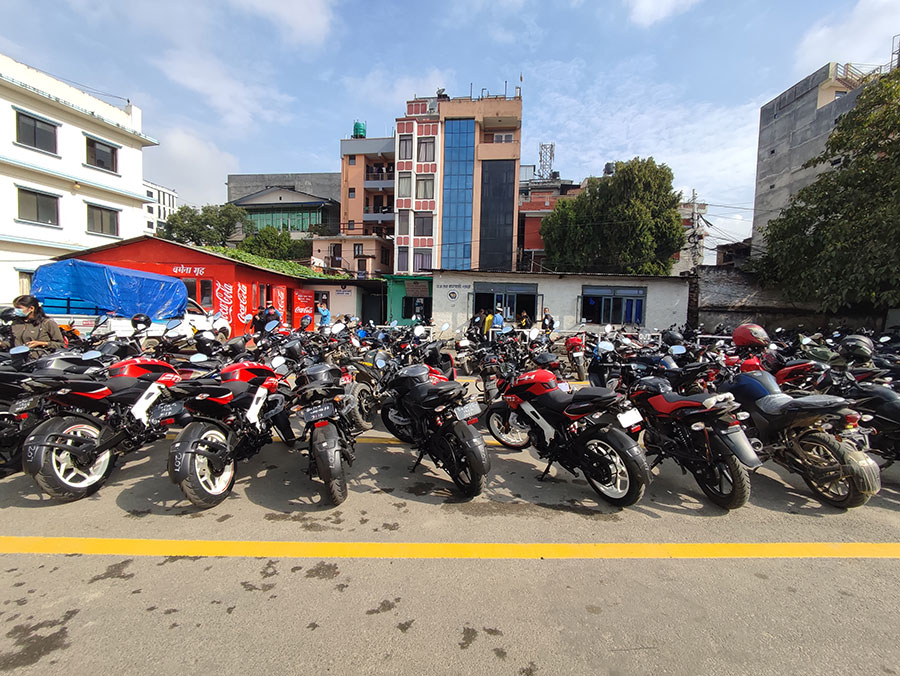
It has recommended placing clearly visible and adequately illuminated ‘No Parking’ signs at locations where parking is prohibited.
The committee has also proposed introducing a technology-based, ‘faceless’ traffic management system in areas with heavy vehicle traffic to detect violations without direct interaction between traffic personnel and road users.
It has suggested linking vehicle records, driving licences and traffic violation records so that individuals automatically receive SMS notifications about violations and applicable fines.
Reform licensing process

The committee has recommended changing the perception of traffic fines so that they are understood as a consequence of violations rather than the primary objective of traffic management.
It has called for policies and practices that promote trust, respect and cooperation between traffic and municipal police and road users.
The committee has also recommended improving the driving licence distribution system and introducing adequate initial training for new licence holders.
As part of policy reforms, it has called for a review of overlapping jurisdictions between traffic police and municipal police.
It has also proposed developing an integrated database linking vehicle registration documents, driving licences and national identity cards.
The committee has recommended drafting a Road Safety Act and making timely amendments to the Motor Vehicles and Transport Management Act, 1993, to strengthen road safety and traffic management.
Urgent law needed to regulate ride-hailing
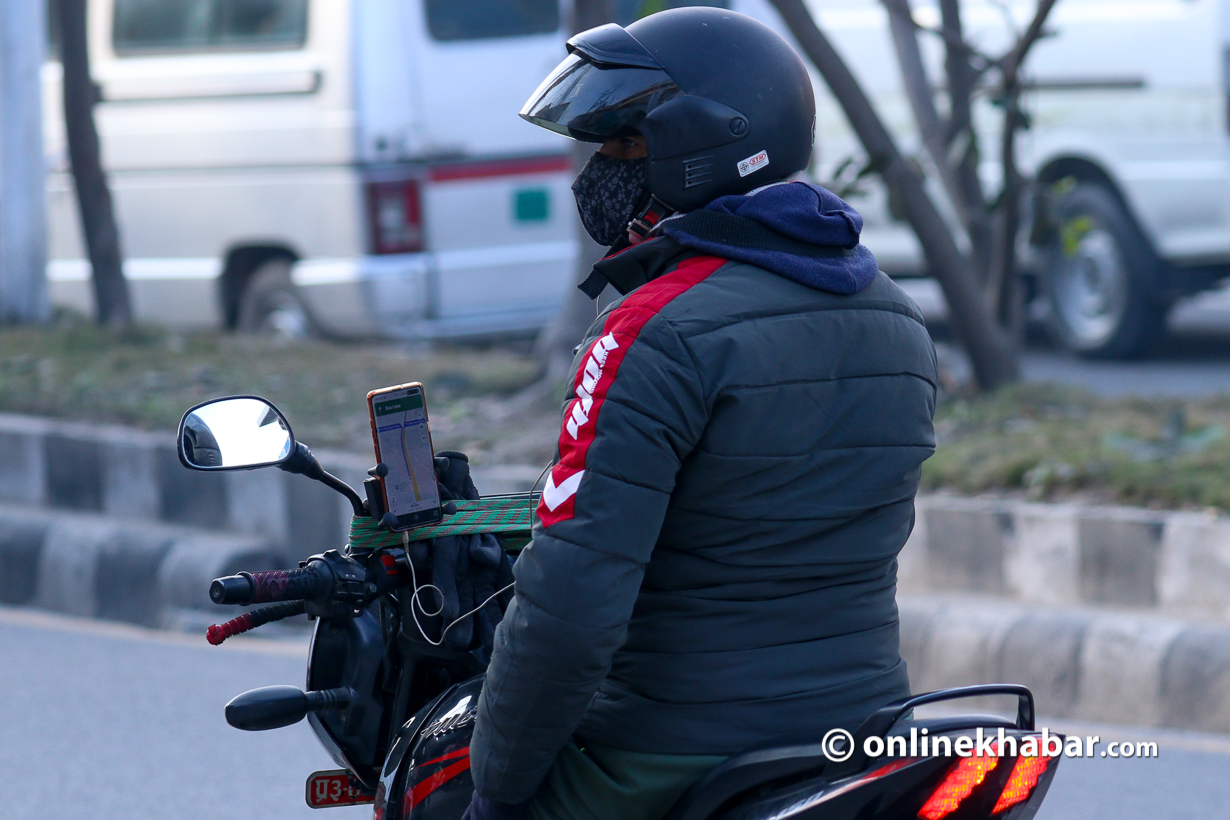
The committee has said ride-hailing services need to be brought under a clear legal and policy framework, citing the absence of specific legislation and the challenges the sector has created for traffic management in some areas.
It has recommended proper arrangements for picking up and dropping off passengers, as well as parking facilities for ride-hailing vehicles.
To ensure the safety of both drivers and passengers, the committee has proposed mandatory insurance, registration of ride-hailing drivers and an emergency messaging system.
It has also recommended setting scientifically determined and, as far as possible, uniform fare limits to ensure that both service providers and consumers are protected.
The committee has proposed enabling digital payment of fares and improving the registration process for drivers providing ride-hailing and similar services.
It has further called for such services to be brought within a clear regulatory framework without placing an excessive burden on drivers.