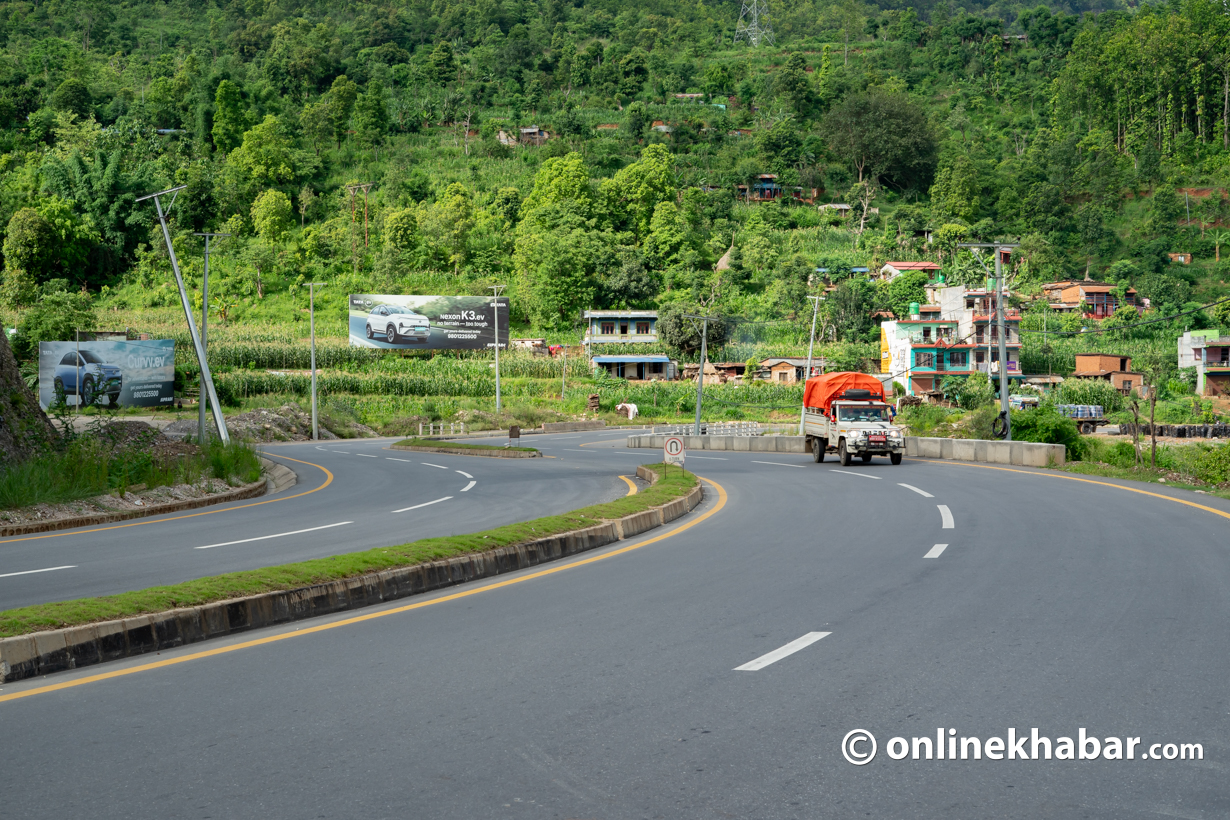

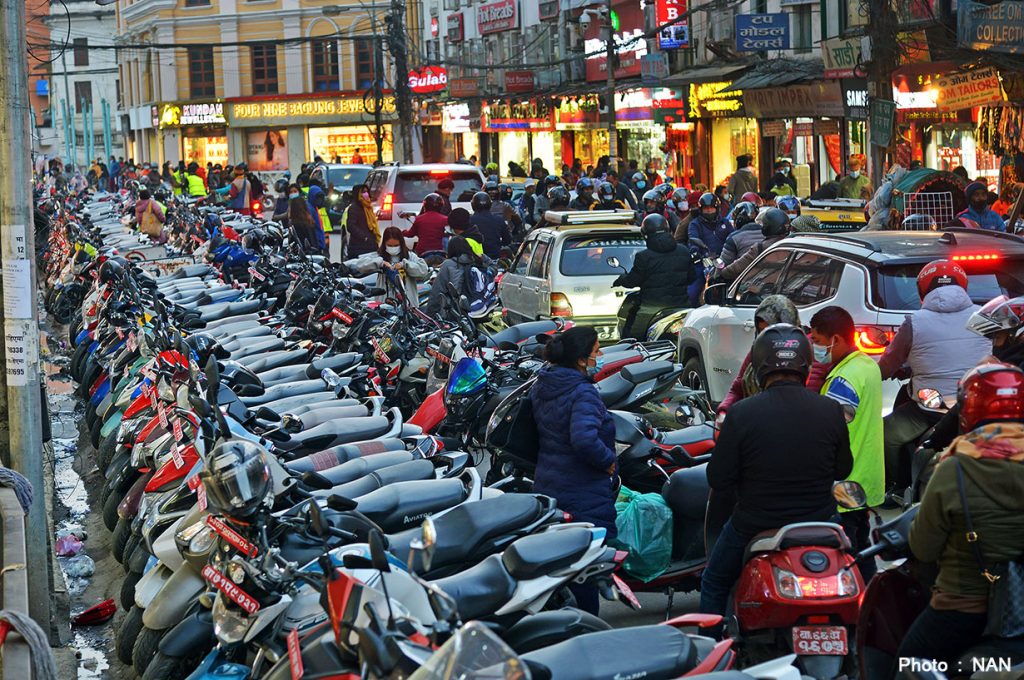
Across the Kathmandu Valley, navigating the regular streets in a vehicle is very frustrating. The city’s ambitious policies, strict parking bans, and mandated construction requirements indicate that we have improved in regulation, but the day-to-day reality that the residents have been facing tells a very different story.
Over the past few years, local authorities have introduced several parking regulations. Kathmandu metropolis mandated that newly constructed houses and commercial buildings allocate 20 per cent of ground-floor area strictly for parking. Furthermore, the metropolis also designated specific parking zones and standardised fee structures across key zones. However, implementation remains deeply flawed.
Unnecessary hassle
Banning roadside parking in major commercial areas such as New Road, Durbar Marg, and Baneshwor was expected to be a step towards cleaner streets. Yet, the metropolis failed to create sufficient off-street facilities before enforcing these bans. Many cities around the world have a system of short-term parking. This allows citizens to pull over, run into a store for a quick purchase, and leave without wasting time.
In Kathmandu, roadside parking is strictly banned, and yet there are no quick-stop alternatives. If you need to pick up a fast-food order or buy a single item, you cannot just stop near the shop. You are forced to drive around searching for a private parking space, which is far from the shop, pay a full, unreasonably expensive fee, and walk back to the store. A task that should take 5 minutes will eventually cost you nearly an hour of lost time and unnecessary stress.
Also, the current parking charge places a heavy financial burden on drivers with cars and larger vehicles who are hit up with charges like Rs 80 to Rs 100 per hour. The issue is made worse by this: even if someone stops for 5 to 10 minutes, parking operators force them to pay the full 30-minute or 1-hour rate, making a simple stop unnecessarily expensive.
For drivers who must stay parked for 4 to 5 hours for work or personal matters, parking costs rapidly convert into a huge daily expense. This fee structure highlights an urgent need for municipalities to move towards a more reasonable and fair fee. The government must step in to mandate fair, minute-based pricing and introduce affordable prices so that vehicle owners are not penalised unnecessarily.
Another problem is that during peak weekend shopping hours and major festival seasons, the designated parking zones overflow almost instantly, leaving commuters subject to heavy municipal fines. It is very evident that Kathmandu’s population and vehicle density are growing, but when compared to major international metropolises handling far higher traffic volumes, the Valley’s traffic problem is entirely manageable with competent infrastructure planning.
Undue burden on taxpayers and solution
It is unfair to the citizens if the government imposes a ban on parking on public roads without providing adequate alternatives at a fair price. By just focusing heavily on enforcement, wheel-locking, and fines while lagging on infrastructure development, local authorities are placing an undue burden on taxpayers. The government cannot criminalise everyday commuting without offering a solution. The government should be answerable to the following questions:
- Why isn’t the public infrastructure budget being utilised to construct public, high-capacity, multi-story parking garages in major commercial centres? Private operators can be fully replaced by the metropolis.
- Why is short-term and regulated street parking not an option, or is it absent?
- Who is regulating parking operators, and how are they being regulated?
Moreover, to move from a broken system to a functional and modern parking system, the government and the urban engineers should go hand in hand. Here are some modern solutions that the government could easily adopt:
- Mandate a minute-based and digital parking system: A strict municipal rule for minute-based parking and a free grace period of about 15-20 minutes for quick pick-ups and drop-offs. Engineers should focus on developing an automated ticketing system. We can build a system similar to this: when a car enters, its plate is scanned; when it exits, the system calculates the exact minutes elapsed and automatically deducts the fee via digital wallets (e.g., eSewa, Khalti, or mobile banking), completely removing human attendants from charging higher, unfair and unregulated rates.
- Design quick stop zones: Allowing short-term parking facilities right outside commercial shops in the public streets works. But to encourage a fast turnover, charge a higher per-minute rate after 15 minutes. This can be helpful where drivers need to run quick 5-minute errands. Engineers can also contribute to integrating overhead AI cameras into road spaces and outside lanes that detect when a car parks and alert city police automatically if a vehicle exceeds its 15-minute limit.
- Smart parking navigation App: The major problem is that drivers endlessly circle busy areas like New Road, Thamel, or Baneshwor searching for parking spots, creating too much frustration. We can build a single app where drivers can view live available spots in nearby lots before arriving 15 mins in advance and navigate straight to the lot. The government can mandate open parking data, urging all commercial buildings and private parking lots to inform about their live parking availability in a single public database.
We are not asking for free parking everywhere; all we are asking is for predictable, affordable and accessible urban management.