Kathmandu, June 1
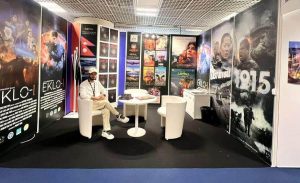
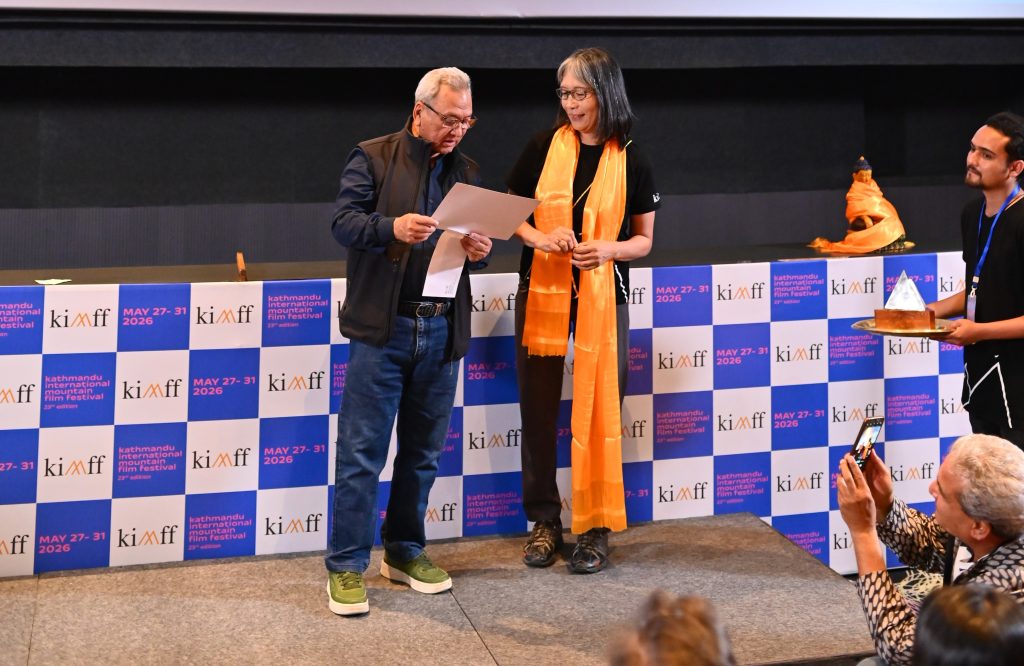
The 23rd edition of Kathmandu International Mountain Film Festival (KIMFF) wrapped up on Sunday, bringing to a close five days of cinema, conversations, and cultural exchange. The festival showcased more than 50 films from 29 countries this year, alongside interactive panels, critical conversations, stalls, exhibitions, and events that celebrated diverse storytelling from Nepal and around the world.
In the international category, the award for Best Feature Documentary was presented to The Oldest Munro Bagger, which received a cash prize of $1500, while The Anti Expedition won the Best Short Documentary, winning $1000. In the fiction category, Ha Lyngkha Bneng (The Elysian Field) was awarded Best Feature Fiction, winning a cash prize of $1500 and Ali won Best Short Fiction with a cash prize of $1000.
The international jury, led by film programmer Deepti DCunha (India), included Chalida Uabumrungjit (Director of the Film Archive, Thailand), Kumar Nagarkoti (writer and poet, Nepal), and Luca Bich (Director of Cervino CineMountain Festival, Italy). Together, they evaluated the films and selected the winning entries this year.
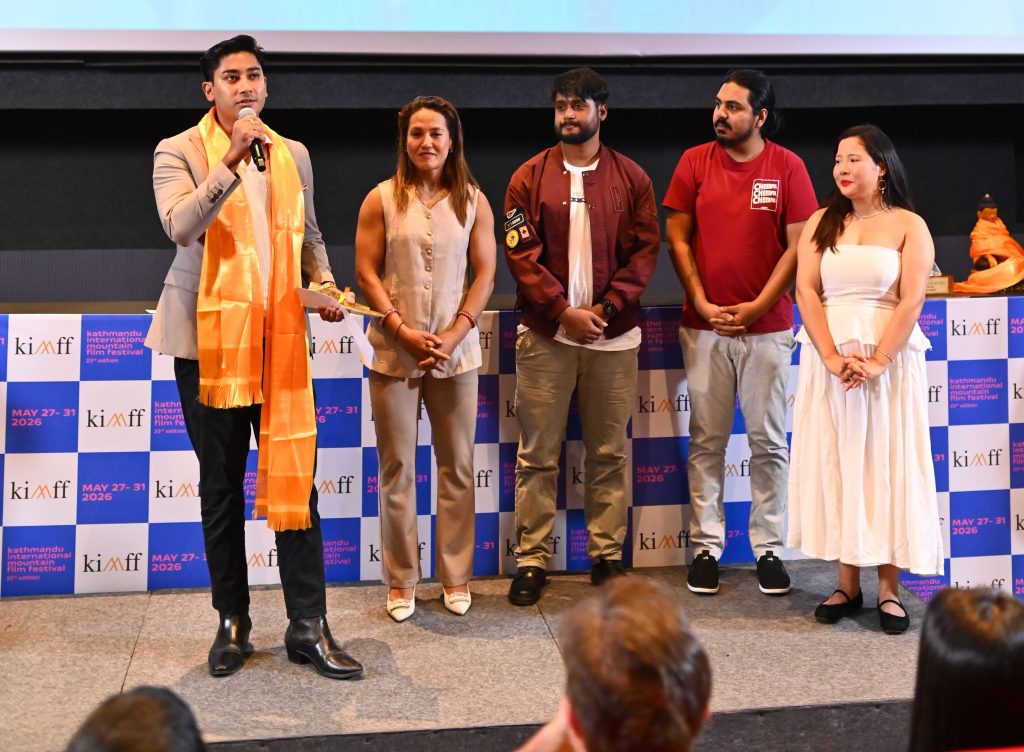
The Nepal Panorama section had its own set of awardees. The Best Documentary was awarded to My Mom is a Bodybuilder, while the best fiction went to Saanjhakaa Rangaharu. The films received a cash prize of Rs. 100,000 each. The section was judged by a jury comprising Cultural & Communication Coordinator at Alliance Francaise Kathmandu Lucie De Barros (France), filmmaker Nabin Chauhan (Nepal) and film journalist and critic Reena Moktan (Nepal).
The Audience Award worth Rs. 100,000 went to Climbing for Life, a film based on the life of Junko Tabei (the first woman to climb Everest), directed by the acclaimed Japanese director Sakamoto Junji.
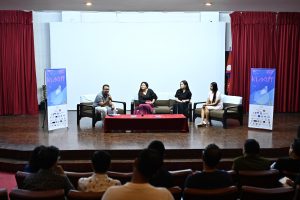
It was KIMFF’s 23rd iteration this year, and the festival opened with the Nepal Premiere of Shape of Momo by Tribeny Rai. Among the highlights this year were a special screening of Climbing for Life, along with a series of conversations on cinema and censorship, and the evolving landscape of Nepali filmmaking. Youth-focused screening and panel further provided a platform for younger audiences and aspiring filmmakers to take part in engaging discussions.
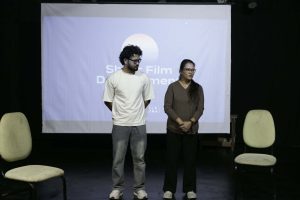
Filmmakers also presented and developed their film projects through mentorship and pitching through the sessions of Kathmandu Doc Lab and Chalachitra Lab.