Kathmandu, May 10
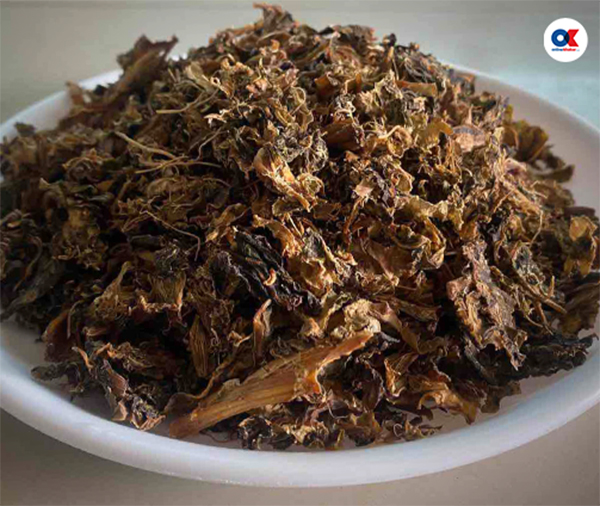
Australia has imposed an immediate restriction on the import of several Nepali agricultural products, including gundruk, millet and soybean, after quarantine concerns and questionable treatment documents were detected in consignments exported from Nepal.
The ban was enforced by Australia’s National Plant Protection Organization (NPPO) after insects were found in imported products and fumigation certificates submitted by Nepali exporters were deemed unreliable.
According to Prakash Paudel, senior crop protection officer at the Plant Quarantine and Pesticide Management Centre, serious procedural irregularities were discovered in the export process. Under international rules, phytosanitary certificates must be issued by the country where fumigation treatment is conducted.
As Nepal lacks Australia-approved fumigation technology, Nepali products had been sent to Kolkata, India, for treatment since 2021 before being exported with certificates issued from Nepal. Authorities, however, found cases where fake documents were prepared claiming goods had already been treated in Kolkata while the products were still in Nepal.
Australia has now directed Nepal either to establish internationally recognised treatment facilities within the country or obtain re-export phytosanitary certificates directly from Indian authorities.
Officials warn the restriction could further widen Nepal’s trade deficit with Australia and severely affect food exports and foreign currency earnings.