
Kathmandu, April 30
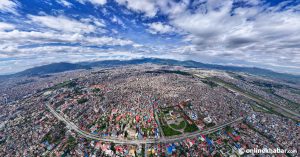
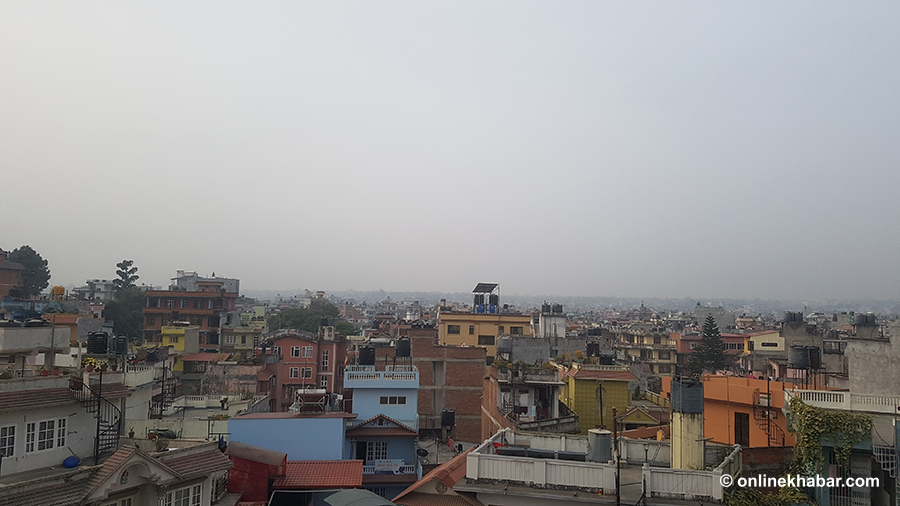
The air quality in the Kathmandu Valley, which had deteriorated sharply last week, has improved. The pollution, which increased due to dry weather and forest fires, has gradually started to decrease with the rain. According to the Air Quality Index (AQI), last week the air quality index rose to 247.
As this level falls into the ‘very unhealthy’ category, experts have expressed concern that it could seriously affect the health of the general public. According to AQI’s data, last week Kathmandu was listed as the world’s most polluted city, but today it is ranked 26th.
Today, pollution has decreased to an AQI of 79, which still falls into the ‘unhealthy’ category. According to the AQI standards, a range of 0–50 is considered ‘Good’, 51–100 ‘Moderate’, 101–150 ‘Unhealthy’, 151–200 ‘Unhealthy for everyone’, 201–300 ‘Very Unhealthy’, and above 300 ‘Hazardous’. Director General of the Department of Environment, Gyanendra Subedi, stated that air pollution has reduced recently due to sufficient rainfall and strong winds.
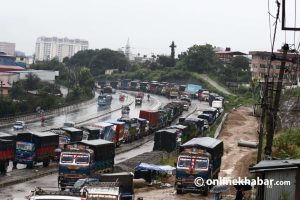
“When there is no rain for a long time, dust and smoke accumulate in the atmosphere, forest fires increase, and the smoke from them settles in the valley, resulting in high pollution. Moreover, polluted air coming from neighbouring India also affects the air quality in Kathmandu,” he added. He stressed that the concerned authorities must effectively implement sustainable and environmentally friendly development measures to control pollution.