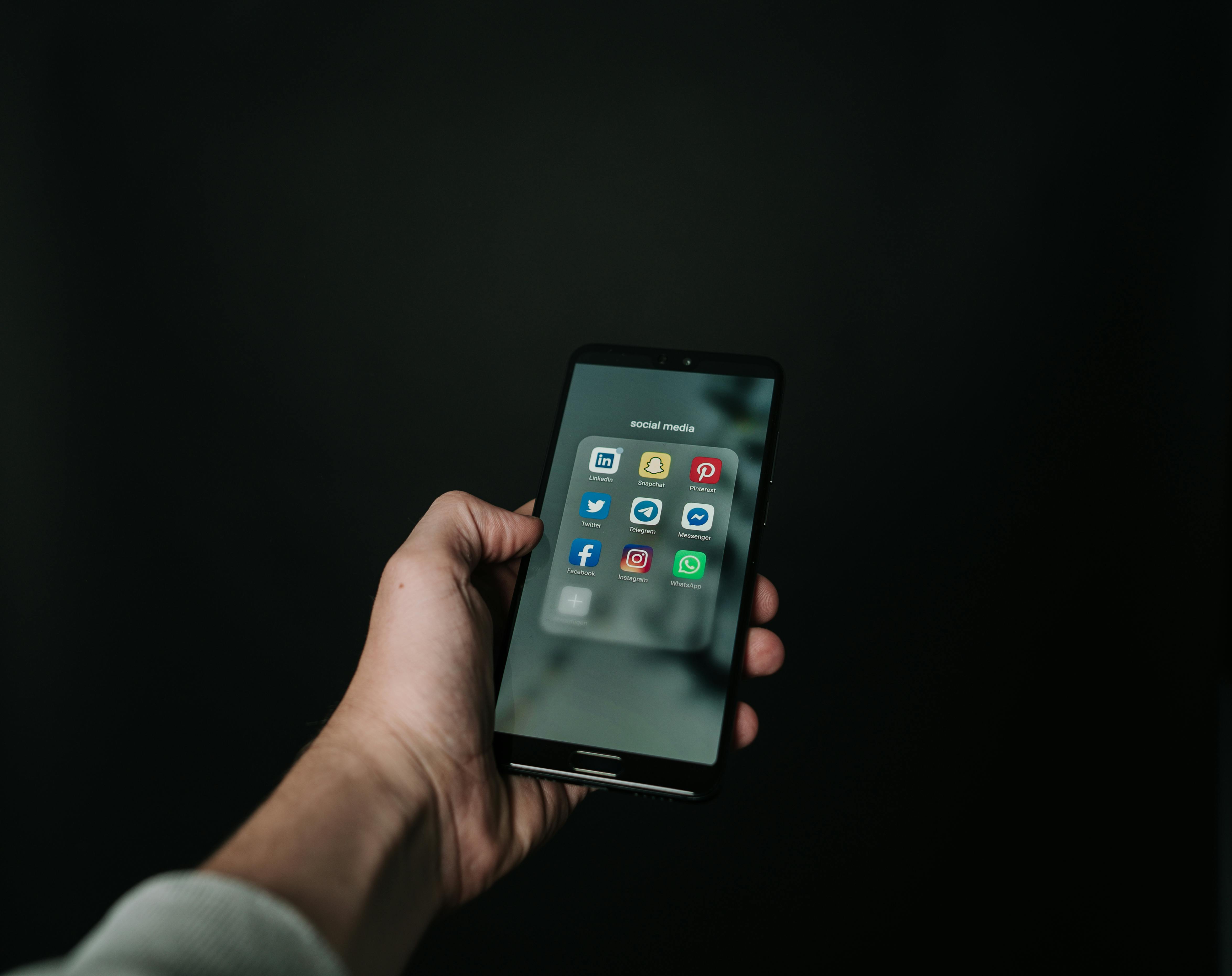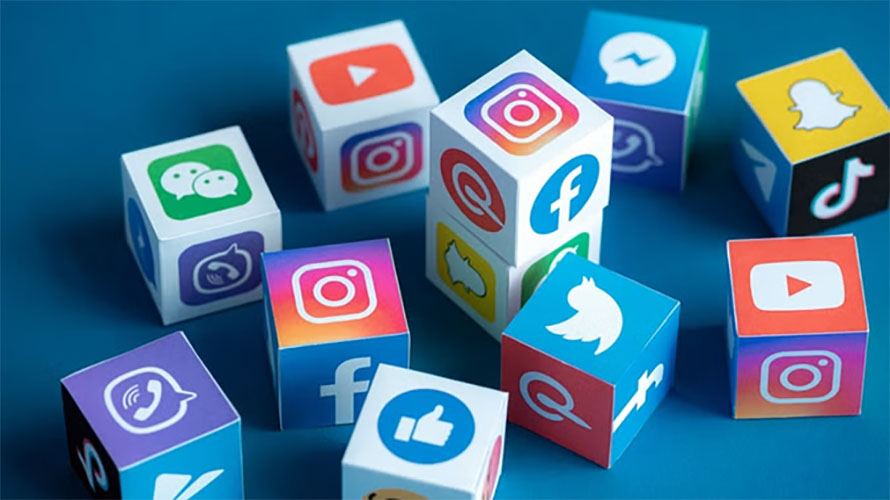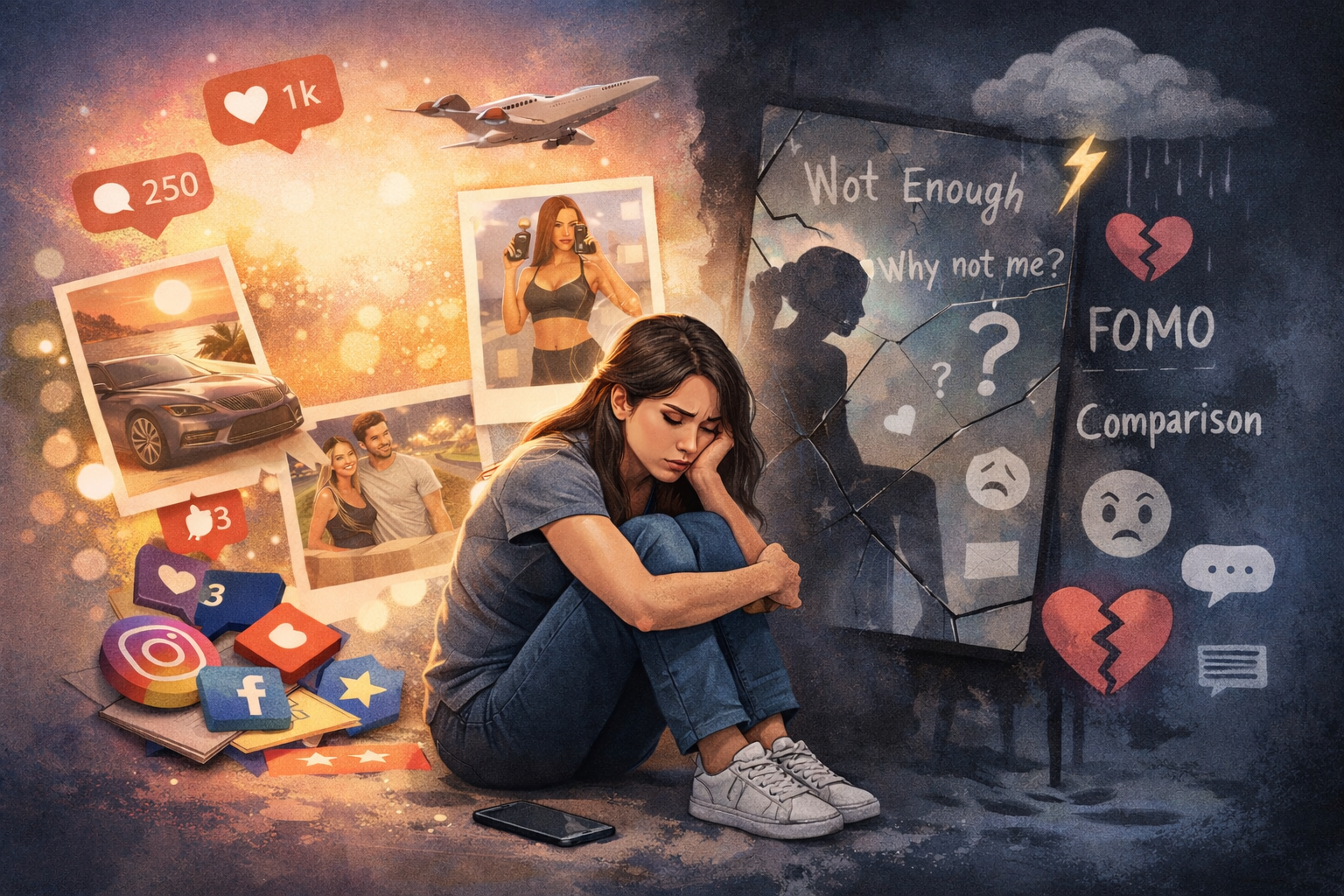
Social media is a very powerful platform, where people constantly post their work, business updates, daily life shoots, achievements, and worldwide news. Every day, we scroll through daily videos, fitness journeys, luxury vacations, success stories, and perfectly edited pictures. It looks inspiring, productive, and beautiful. But behind all that, there is something many of us quietly struggle with: comparison.
As Joan Ryan once said, “We are not created equal in every way.” This simply means we are all different. We have different talents, intelligence levels, bodies, personalities, and life situations. Some people are good at sports, others are good at studies, art, business, or communication. Some grow up with strong financial support, while others build everything from scratch. So naturally, our lives will not look the same. But when we scroll online, we forget this basic truth.
Teenagers today face body shaming at a very young age. They are judged for their weight, skin colour, height, acne, clothes, and even their smile. Adults face pressure too, to look young, to stay fit, to earn more, to have a perfect relationship, and to show a perfect family life. Even older people feel invisible because youth and beauty are constantly promoted online. Bullying is not limited to classrooms anymore. It happens in comment sections, in direct messages, and sometimes silently through constant comparison.
One of the biggest problems social media creates is FOMO, the fear of missing out. When we see friends travelling, attending events, partying, achieving milestones, or constantly being socially active, we start feeling left out. We may be sitting at home resting, studying, or working quietly, but online, it looks like everyone else is living a more exciting life. This fear creates anxiety. It makes us feel like we are not doing enough, not social enough, not successful enough.
As someone in my 20s, I understand this deeply. There are moments when I see people building businesses, studying abroad, getting fit, getting engaged, earning big money, and living aesthetic lifestyles. Suddenly, I start questioning myself. Am I behind? Am I late? Should I be doing more? This constant mental comparison creates pressure. It becomes exhausting.
Then comes the idea of popularity. On social media, popularity is measured by followers, likes, views, and comments. The more engagement you get, the more “important” you appear. Slowly, popularity becomes linked with self-worth. People start posting not to express, but to impress. They choose what looks good rather than what feels real. They change their personality to match trends. They chase validation instead of authenticity.
This affects mental health in serious ways. Constant comparison increases anxiety, lowers self-confidence, and creates negative self-talk. FOMO can lead to overthinking and loneliness. The pressure to look perfect can result in unhealthy diets, extreme workouts, and unrealistic beauty standards. Some people stop enjoying life because they are too busy documenting it. Others feel invisible if their posts do not perform well.
Physically and mentally, this pressure is harmful. Stress increases. Sleep gets disturbed. Self-doubt becomes common. Instead of appreciating our own journey, we focus on competing with someone else’s timeline.
However, comparison is not always negative. If we compare healthily, it can motivate us. Seeing someone follow a balanced diet, join a running club, read regularly, or work on their mental health can inspire us to improve. Comparing habits is helpful. Comparing lifestyles, wealth, relationships, and popularity is damaging. The difference lies in intention. Are we growing, or are we competing?
Social media also has real benefits. It spreads awareness about mental health, values, culture, and social issues. It connects people through running clubs, book communities, professional networks, and support groups. It helps small businesses grow. It allows young people to showcase their talents. It keeps us updated with global news and opportunities.
But acceptance on social media should never be our main goal. Likes and followers should not decide our value. Real acceptance comes from setting boundaries in real life, choosing the right circle, and building genuine relationships. Being respected offline is more important than being popular online.
Both social media and real life have pros and cons. Social media has made conversations about mental wellness and social issues more open and accessible. At the same time, it has created unrealistic standards of beauty, success, and happiness. When we constantly see filtered perfection, our mind starts believing that this is normal. Slowly, we forget that what we see is edited, selected, and curated.
We must remind ourselves that we are comparing our real, unfiltered life to someone else’s highlight moments. That comparison is unfair from the beginning.
We are not created equal in every way, and that is not a weakness. It is individuality. Your journey will look different. Your success will come in your own time. Your body will have its own natural shape. Your life does not need to match a trend.
Use social media to learn, connect, grow, and stay informed. Follow pages that inspire you, not pages that make you insecure. Take breaks when needed. Focus on improving yourself, not impressing others.
The healthiest comparison you can make is with your past self. Ask yourself, Am I becoming better, healthier, kinder, and more aware than I was before? If the answer is yes, even in a small way, you are already winning.