Kathmandu, January 16
The second edition of Queer Film Festival Kathmandu began on Thursday at Airawat Picture House (educational hall), Thapathali.
At this film festival, films made around the world that address issues of gender and sexual minority communities will be screened. Over 170 films will be showcased. These films have been selected from over 800 submissions worldwide, based on their relevance to Nepal’s social context and contemporary issues.
These films highlight the lived experiences and social and political realities of queer individuals across the globe. The objective of the festival is to promote solidarity with and respect for people whose sexual identities differ from socially prescribed gender norms.
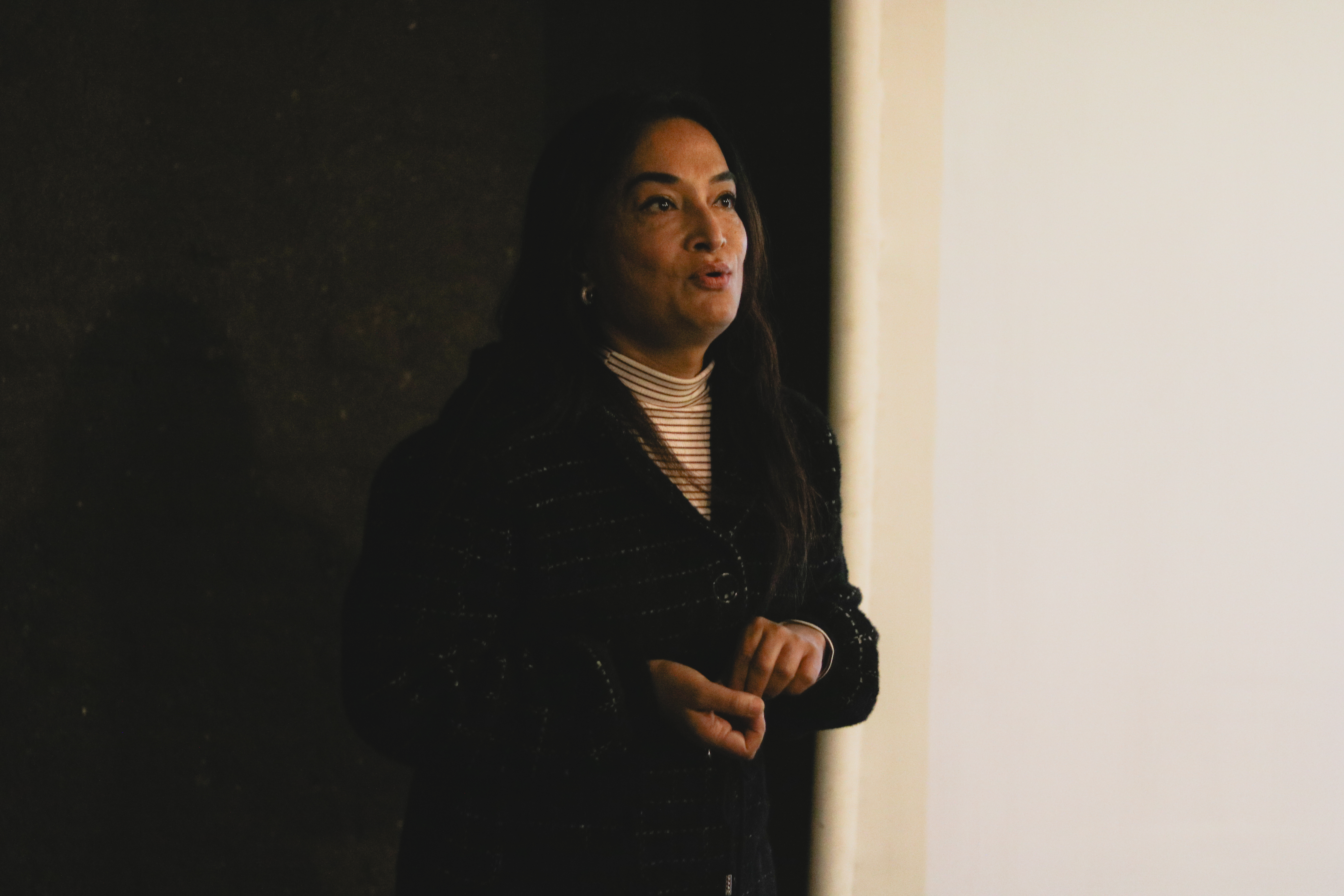
“In the context of Nepal, mainstream cinema and film festivals have not given sufficient space to gender diversity and queer films. That is why, as an alternative platform like Queer Film Festival Kathmandu was needed,” said Jyotsna Maskey, co-director of Queer Film Festival Kathmandu.
Along with raising issues of diversity, sexuality, and gender identity in cinema, the festival also works to reduce the distance between the queer community and the general audience who want to understand them better. The organising committee stated that this festival is necessary to contribute to building a society where everyone belongs and feels belonged.
The film festival will run until 24 January and will be screened at Airawat Picture House (Microcinema Auditorium). Feeling the need for an alternate space to screen films, Docskool, the organiser of the Queer Film Festival Kathmand,u has opened the space with this film festival.
“Good films are made in Nepal. They have gone to and been screened at prestigious international film festivals. But when those same films try to find screening space in Nepal, they don’t get venues,” said Kshitiz Adhiraj, co-director of Queer Film Festival Kathmandu and Founder Director of Docskool. “We opened this microcinema theatre to ensure such films are shown to Nepali audiences in Nepal, and with this year’s Queer Festival Kathmandu, we have brought this auditorium into use,”