

Basic computer science education is essential to navigate a world that increasingly relies on digital devices and technology. In response, the Government of Nepal has taken steps to promote computer education in schools. One recent example is the decision by the newly appointed education minister, Mahabir Pun, to mandate at least one computer teacher in schools. While such policies appear promising at the policy level, their implementation at the grassroots level tells a different story.
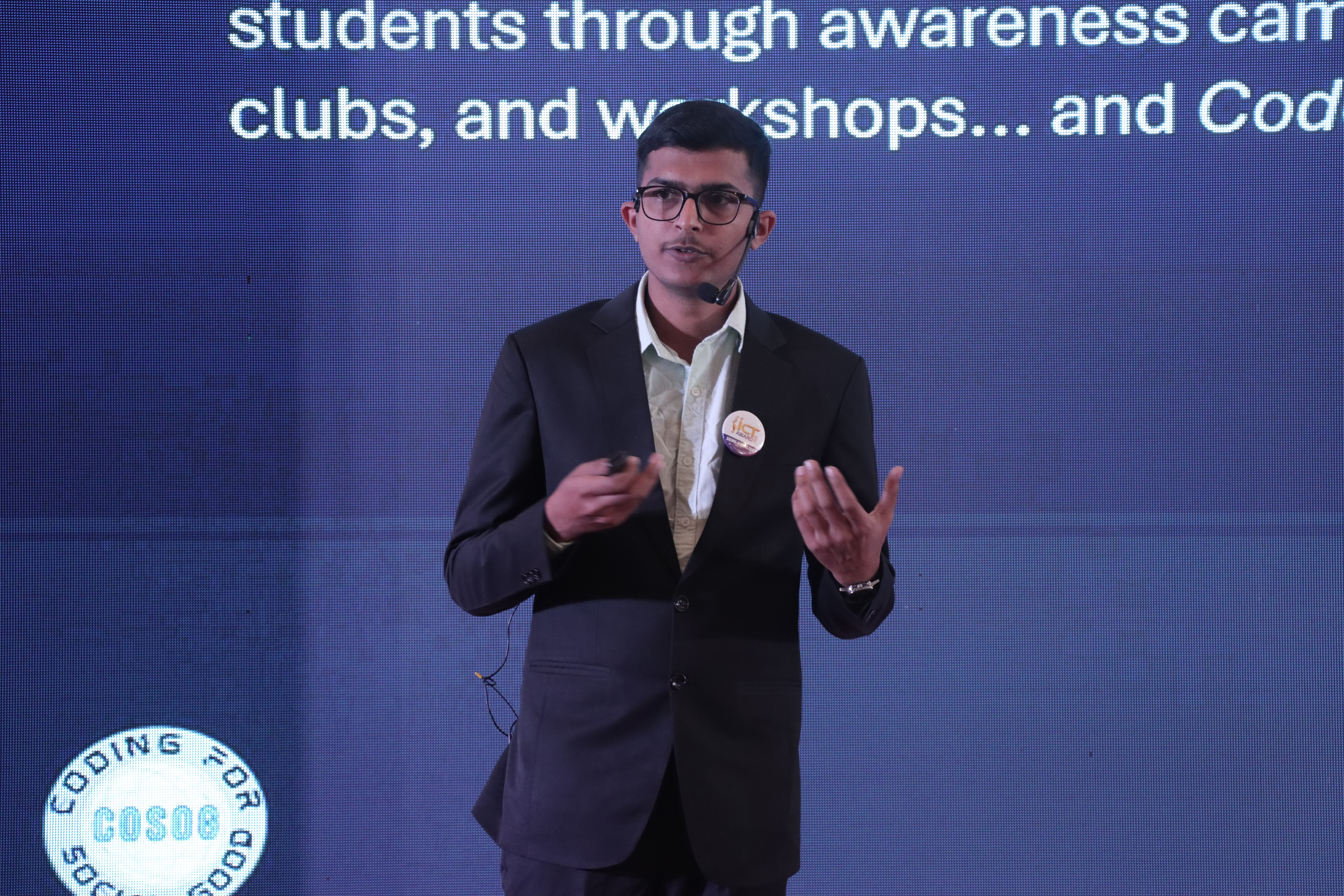
For the past three years, I have been working to promote digital literacy and computer science education as the president of Coding for Social Good Nepal. Through this work, I have closely observed both the challenges and opportunities within Nepal’s school education system.
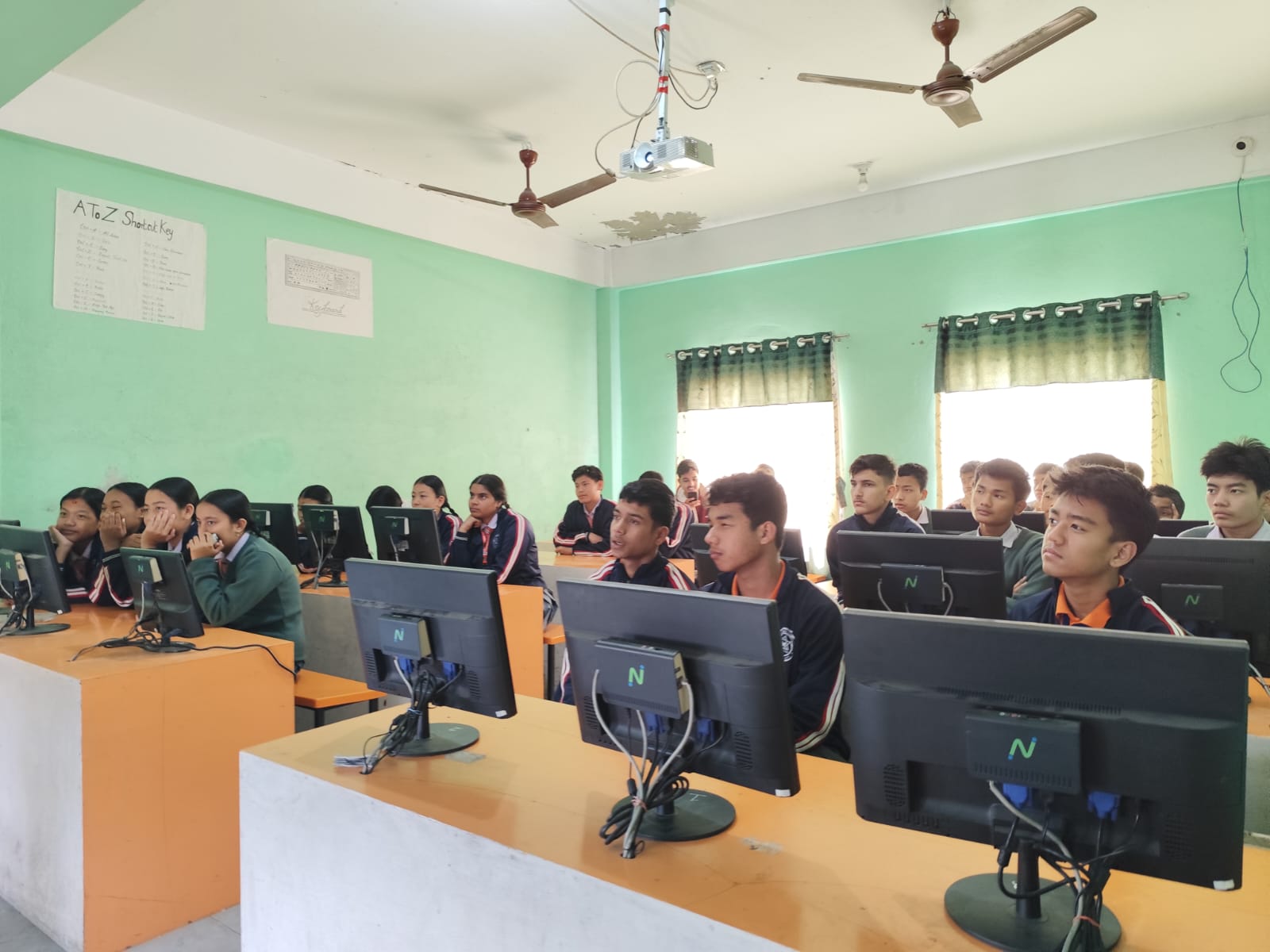
According to World Bank research, fewer than 10 per cent of schools in Nepal offer structured computer science education, and only about 37 per cent (approximately 4,400 schools) that have computers report using them for teaching and learning. To address this gap, we initiated digital and internet literacy programmes, established computer science clubs in more than 30 schools, guided schools with structured handbooks to use both school-based and online resources, and ran career-awareness campaigns in IT. Through these efforts, we have reached over 10,000 students in recent years.
Coding for social good Nepal
After starting the first computer science club at my high school, I wanted to replicate the success we experienced through coding workshops for junior students, team-based learning, and collaborative participation. Immediately after completing high school, I co-founded Coding for Social Good Nepal (Cosog Nepal) with Bibek Bhandari, whom I met online. Although our motivations were shaped by different life experiences, we shared a common goal: to make computer science education and coding mainstream in schools across Nepal.
Early resistance
At the time, I was based in Kirtipur and visited public schools in the Bhatkepati and Panga areas to seek permission for our first outreach sessions. Unfortunately, none of the three public schools granted approval. One school principal asked, “What if you teach gambling?” Others demanded a letter from the municipal office for a brief 45-minute session. When we approached the municipal office, officials asked for registration documents. This circular process reflected a familiar Nepali bureaucratic experience faced by citizens attempting to work with government institutions. As a result, we began our outreach with under-resourced private schools in Kirtipur.
Our first official event was held at Green Village English Boarding Secondary School in Kirtipur. We were surprised by the principal’s enthusiasm. Instead of rejecting us outright, he asked about our background, previous work, and the structure and content of the session. He told us it was the first time he had seen such an initiative. During the session, students from Grades 8, 9, and 10 were engaged, curious, and fully attentive.

The issue, however, was not limited to public schools. Even private schools often lacked trust in their students. I recall a visit to a school in Kapilvastu district, where the administration was sceptical about the programme’s value. They said, “Our students don’t have laptops at home. Even at school, they just stick to the syllabus. They aren’t interested in extra technology.”
I was given only 45 minutes with Grade 10 students, without a projector. In that time, I spoke about careers in technology, teamwork, participation, and my experience of forming a computer science club and its impact on my school. At the end, I asked a simple question: “Who wants to form a club?”
There was silence. Not a single hand was raised.
As I walked down the stairs afterwards, two boys nervously approached me. They whispered that they wanted to start a club but were afraid to raise their hands in front of the class. This was not surprising; I had been the same way once, and I had witnessed similar moments in other programmes.
I returned to the administration with this feedback, and they allowed me to speak to Grade 8 students. The same pattern repeated: silence in the classroom, followed by students approaching me individually in the corridors once teachers were out of sight. This experience taught us a crucial lesson. In Nepal, the challenge is not always a lack of resources; it is also a lack of voice. Students are conditioned to be passive listeners.
The gap we aim to bridge is not only digital but also cultural. While we teach programming and web development, we prioritise helping students find the courage to raise their hands and speak up.
Careers in IT
Many Nepali students who have just completed Grade 10 face immense pressure, as their choice of academic stream significantly shapes their higher education and career paths. To support them, I organised a virtual programme titled “CS in +2”, aimed at guiding students on selecting appropriate curricula in Grades 11 and 12 to pursue computer science, information technology, or related fields at the undergraduate level.
The programme featured four speakers from diverse backgrounds and locations: a current student and Apple software engineering intern, a professor from a leading IT college, a leader of a non-profit organisation working for women in STEM, and the CTO of a Nepali company who is also a tech YouTuber. We explained the differences between computer science in the science and management streams, explored various career paths, and discussed education and job opportunities in Nepal and abroad. Hosting this event was a privilege, as it supported over 1,000 students who attended live or later accessed recordings on YouTube and Facebook.
Code for Charity
Many students in Nepal who are passionate about computer science lack access to practical experience. While they study theory and sometimes attend short courses, they often miss opportunities to work on real projects, receive mentorship, and build professional portfolios. At the same time, many NGOs work on critical social issues but lack the technical and financial capacity to develop websites or digital tools, limiting their outreach and impact.
Code for Charity, a flagship programme of Cosog Nepal, was designed to bridge these two gaps through a dual-impact model. The programme connects student developers with NGOs in need of digital solutions. Beyond matchmaking, we mentor students and collaborate with for-profit companies. We have partnered with organisations such as Fleckor Tech and Cornor Tech in Nepal and India to provide internships and job opportunities to outstanding participants.
To date, the programme has supported over five national and international organisations, including Sustainable Actions Afrika (Cameroon), the National Adolescent Girls’ Network Nepal, and the National Adolescent Boys’ Network Nepal. We have also collaborated with Fleckor Tech, Smart Cheli, and Technify, a student organisation from Duke University, USA.
Impact and Recognition
Through school outreach programmes, CS clubs, and the Code for Charity initiative, Cosog Nepal has reached more than 30 schools, engaged over 10,000 students both online and in person, and supported over five non-profit organisations with pro bono digital solutions. We have mentored more than 40 student developers with hands-on, real-world experience.
Our work has received national and international recognition, including being named a semi-finalist in the ICT Award 2025 (Social Innovation category) and receiving an Innovation Grant from the Global E-STEM Award. Our initiatives have been featured in platforms such as TechPana and ICT News, and we have partnered with organisations including Technify (Duke University), Smart Cheli, Paymentology, and Fleckor Tech.
Following the Startup and Idea Fest, the recognition and support we received were overwhelming. We are now organising a web development programme for public high school students, where participants will build a website for their own school as a final project within 15 days. Through Coding for Social Good Nepal, my goal is to institutionalise computer science education and ensure that policies translate into meaningful change at the grassroots level across Nepal.