Past my dal bhuja, I watch Thulo Muwa stand in front of a saucepan of ghee on the electric cookstove. She calls out, “Son, fix the electricity quickly. I need to heat ghee.”
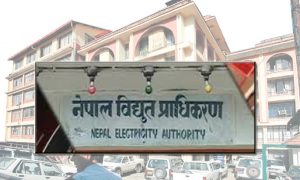
A stout, teenage Nepali boy stands in front of a switch, with an electricity meter on each side. One has a glass case covering it, the other a cracked plastic case. He asks, “Pradhikaran ki local?” This is a small tea shop off the highway in Baglung, but it could be anywhere outside metropolitan Nepal. The reality of Nepal’s energy demand outside metropolitan areas is so high that households need multiple energy sources. People do this by supplementing the electricity from a local supply source, mostly Micro Hydropower Plants (MHP) in Baglung, with another connection to NEA’s national grid.
A few days later in Nisi, while eating lunch, I learned that most households there typically have at least three appliances. A fridge, a standing fan, a television, and a few households even have electric cookstoves.
The fridge looked just like the one in my dormitory’s kitchen. A simple metal fridge with a single door. The fan, a small standing red fan, is like the one in my dorm room. But the TV, that was different. It was an old Cathode Ray Tube (CRT) television, covered in dust, with the plug kept on top of it.
This intrigued me, so as the restaurant owner in Nisi took my plate, I asked her, “Why is the TV so dusty and unplugged?”
She replied, “Why plug it in? We don’t need it. My husband and daughter are the only ones who watch videos, and they watch on their phones.”
Behind me was a little girl, hunched on a little plastic stool, glued to her phone, watching a cartoon. Behind a wooden wall, her father sat outside in a similar position on a similar plastic stool, watching what I could only make out to be local Nepali news.
“Either way, we don’t have two sources of electricity. How could we have enough electricity to plug it in?” she said.
TVs across low-income houses in rural Nepal sit in the corner, gathering dust, a reflection of the lack of energy reliability. Why? Because energy supply is so unreliable, people choose not to use their appliances. “Load shedding,” as the NEA called it. The idea that I, the user, must sacrifice power, not use my appliance, so that the overall grid can remain stable. People have gotten so used to load shedding that their lifestyle has evolved to become independent of their appliances. This is the failure of NEA to meet the energy demands of its people, despite having abundant electricity, and an inability to effectively connect small-scale energy sources to the national grid.
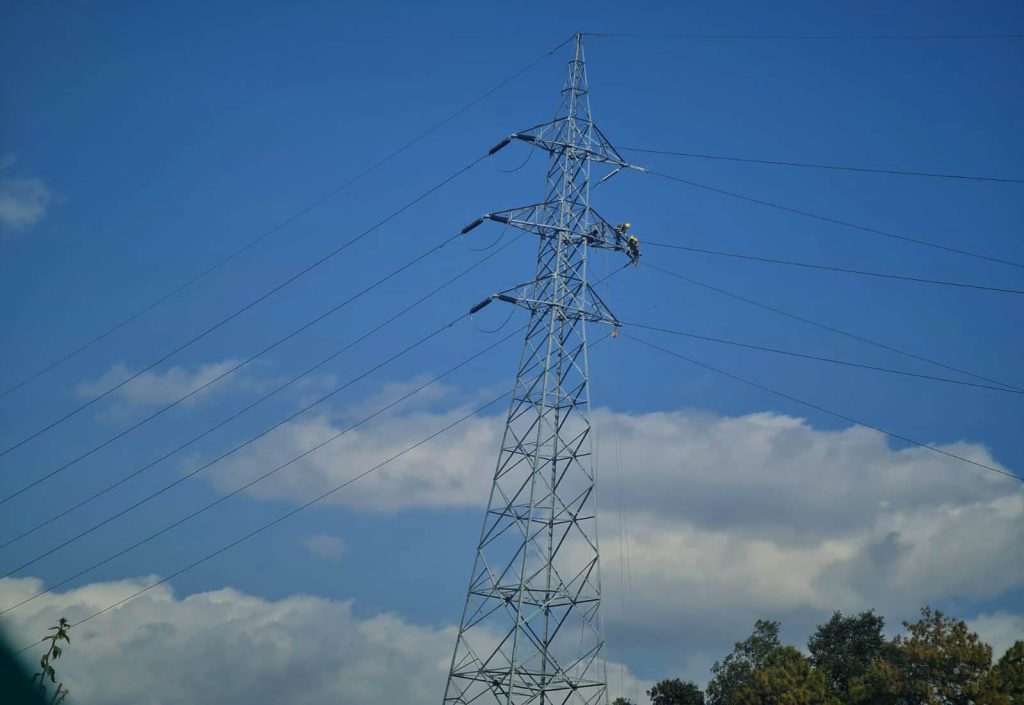
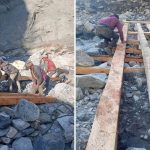
Nepal has a lot of rivers. And in those rivers lie over 3000 small scale Micro Hydropower Plants. Out of these, fewer than 20 are connected to the national grid. This means extreme economic inefficiency. People outside metropolitan areas are forced to invest in multiple energy sources to fulfil what Nthe EA is not fulfilling- energy supply reliability.
Thulo Muwa wants to buy a higher-capacity electric cookstove for her chia store. But she is burdened by having to pay for two electricity sources- the local line (coming from micro hydropower plants) and the ‘pradhikaran’ line (from the national grid), all so she can have a reliable energy supply. This takes so much budget away from her other expenses in the chai pasal.
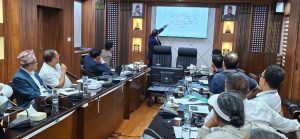
This inefficiency exists because of the narrative in Nepal Energy Authority’s offices, where there is enough reliable energy supply to run a constant AC. The narrative says that ‘there isn’t enough energy demand’ in rural areas to change the current structure to a more reliable system.
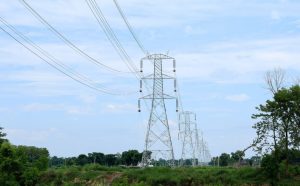
Connecting many small scale MHP’s to the national grid would help improve the electricity supply. That way, people don’t need multiple meters and distribution lines. A singular line would be reliable.
As I write this article from my dorm room in the US, I am struck with admiration to see what Nepal has evolved into. The Gen-Z movement has worked so hard for such a beautiful idea, toppling corruption in the government and allowing for a new path forward. To fulfil this idea, we must work towards holistic change. We established a new, anti-corruption government, and we are working so hard on bringing reform to urban constituencies. So now, let’s pave the path for energy policy reform in rural areas. Let’s fulfil the promises we made when the Singha Durbar was burned down.
As of now, the reality of NEA’s failure is that only a handful of small-scale energy systems are connected to the national grid. The rest of them just wait in the hope that, pradhikaran ko dai (staff of NEA) will come and connect the MHP’s next months.